Chancellor Rachel Reeves to prioritise stealth taxes in upcoming budget
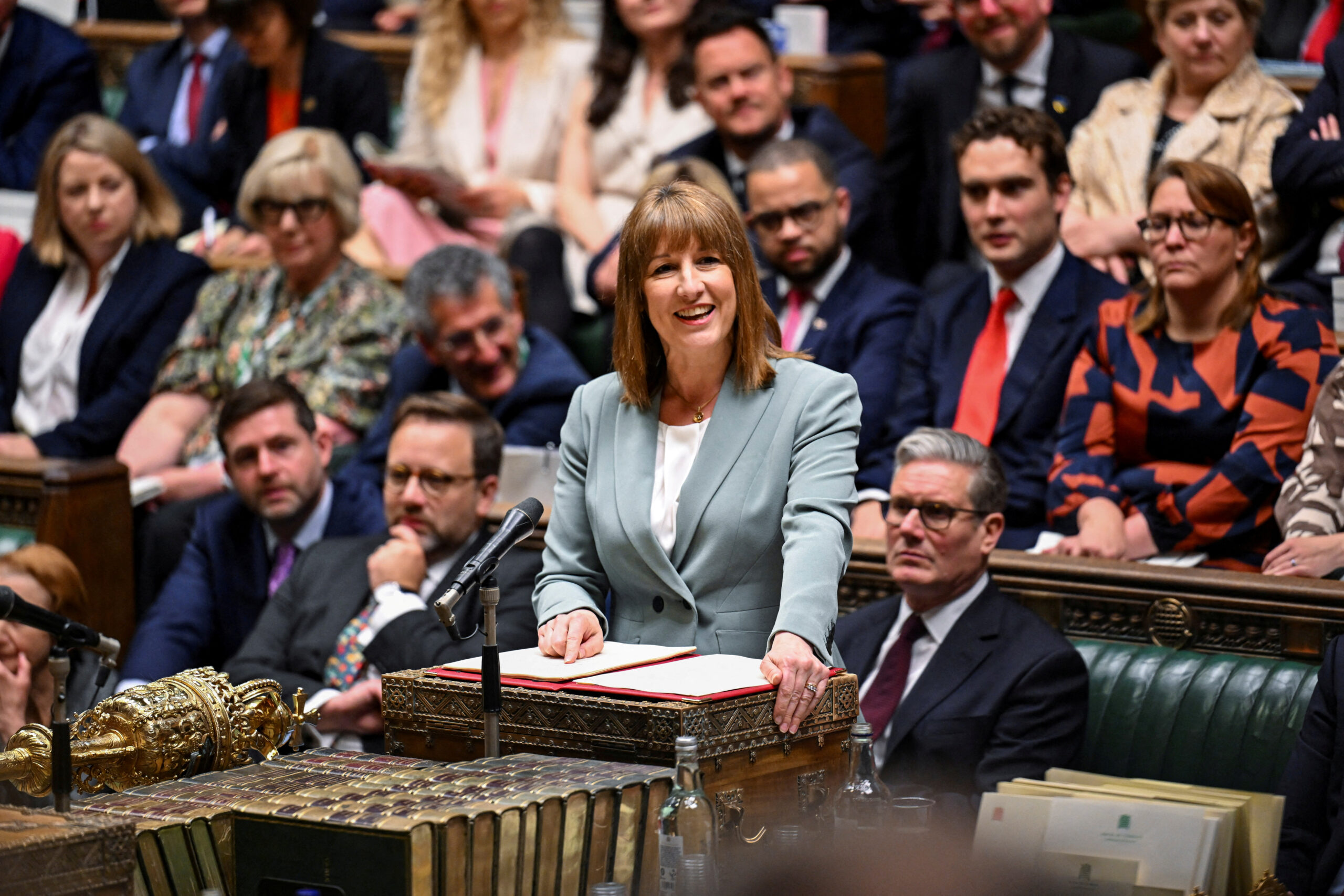
Chancellor Rachel Reeves will focus on implementing stealth taxes impacting pensioners and workers in her forthcoming budget, following a strategic shift away from increasing income tax. She has opted to extend the freeze on income tax thresholds for an additional two years, reports BritPanorama.
While initially hinting at the prospect of raising income tax amidst a significant gap in public spending, Reeves has now decided against it. This decision follows recent suggestions that the alternative would involve drastic cuts to public investment.
The Chancellor’s revised approach is projected to impact over 10 million individuals, pushing them into higher tax brackets over time as wages increase. This process, termed “stealth tax,” allows for revenue generation without explicit tax rate increases.
The new budgetary measures, set to be unveiled on November 26, may introduce a levy on high-value properties and a charge associated with electric vehicles. These potential additions are part of a broader effort to raise approximately £8 billion for the Treasury.
Despite the lack of an income tax increase, which has prompted criticism from within her own party, particularly after Labour’s pledge to avoid such hikes, Reeves’ plans indicate a continued need for fiscal discipline. Critics label the situation a “shambles,” underscoring the challenges she faces as she navigates the needs of the party against fiscal realities.
Furthermore, Reeves had hinted at possible tax increases during a Downing Street speech earlier this month, indicating that difficult decisions were necessary to address the nation’s challenges.
The decision to freeze tax thresholds means that they will have been unchanged for nine consecutive years by 2030, a tactic previously employed by Conservative governments. While the Treasury spokesperson refrained from commenting specifically on these changes prior to the budget announcement, market reactions have already begun to manifest, with increases noted in government borrowing costs as investors reacted to the shifting fiscal strategy.
Economic analysts suggest concerns that the abandonment of direct income tax hikes could lead to the introduction of a range of smaller, potentially less economically favorable tax increases. The Institute for Fiscal Studies has noted that while last-minute changes to budget plans are not uncommon, this particular turnaround may stir unease among investors regarding the government’s willingness to confront politically sensitive issues.
As Reeves seeks to establish a budget capable of weathering economic uncertainties, she continues to face significant pressure from both the market and her political peers, suggesting that the forthcoming announcements may be critical for her longevity as Chancellor.
This re-assessment of tax policy reflects the delicate balance her government must maintain in the face of rising fiscal demands and the imperative to honor political commitments to the electorate.
The dynamics within Labour illustrate the tensions that often accompany budgetary decisions, raising questions about the party’s future direction under Keir Starmer’s leadership as it grapples with both economic and political landscapes. In such a complex climate, the implications of Reeves’ choices extend beyond immediate revenue expectations, potentially influencing electoral prospects in the years ahead.