UK Chancellor misleads public on budget deficit
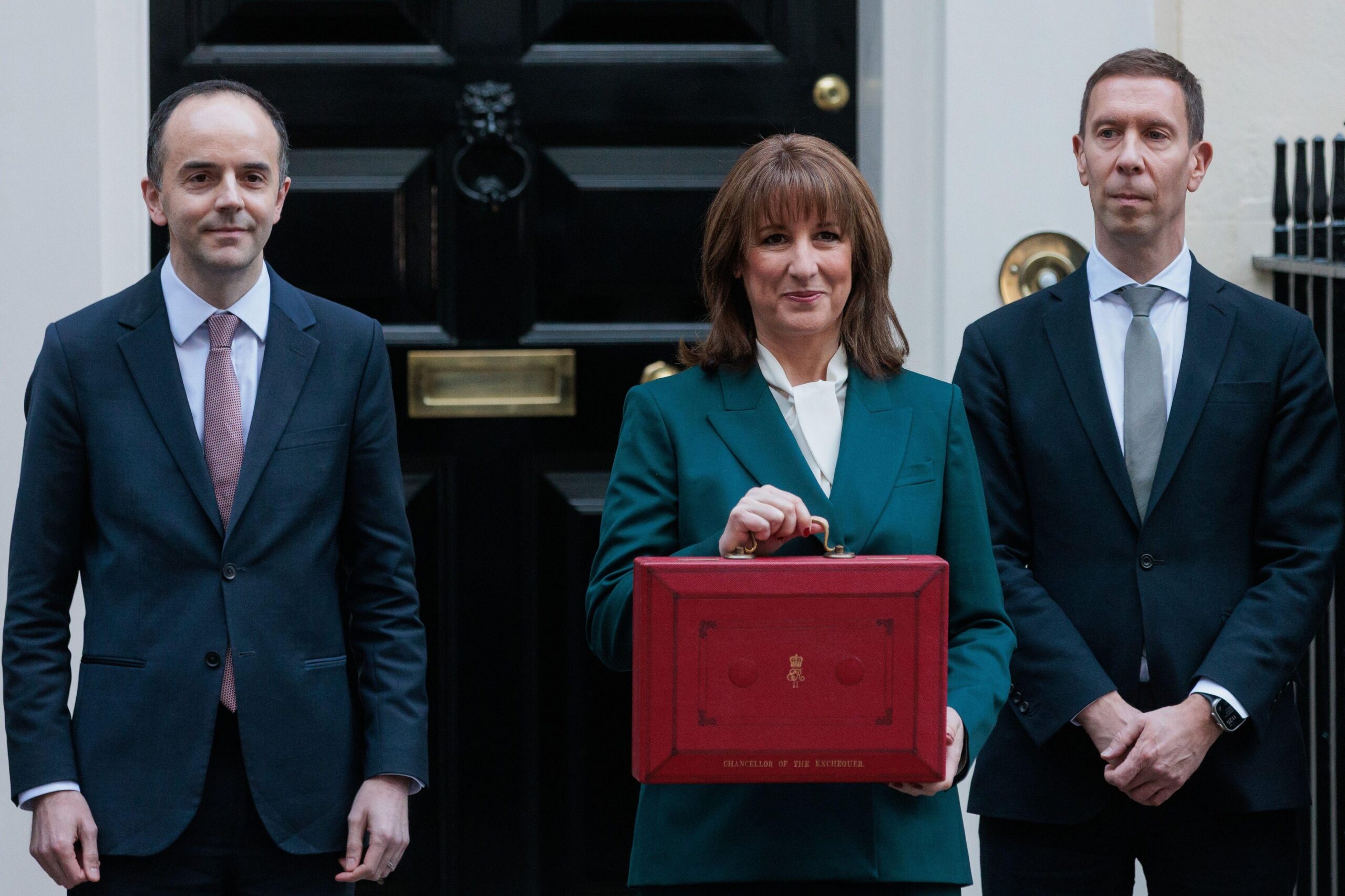
The UK Chancellor of the Exchequer, Rachel Reeves, has faced significant backlash after delivering a budget speech that misrepresented the country’s financial situation, reports BritPanorama.
During the address earlier this month, Reeves claimed that Britain was grappling with a severe financial deficit, stating that her government would need to make unpopular choices in response. However, evidence from the Office for Budget Responsibility (OBR) indicated that no deficit existed, revealing instead a surplus of £4.2 billion as of October 31.
The Chancellor’s assertions raised eyebrows not only among the public but also among financial experts, who noted the discrepancy between her claims and the OBR’s projections. Following her speech, a spokesperson for Downing Street categorically denied any misleading statements were made, characterising the Chancellor’s warnings of “tough decisions” as entirely appropriate.
This response has been deemed inadequate by critics, particularly as the narrative of a £30 billion black hole appears to have been maintained to justify forthcoming tax increases. Many speculate that such framing was intended to bolster Reeves’s political positioning, enabling her to introduce unpopular measures while minimizing backlash in the eyes of her party’s backbenchers.
Historically, politicians are accustomed to making decisions that may not resonate well with the electorate. However, the prospect of deliberately misleading the public about the financial realities is one that tends to erode trust. As voters increasingly demand transparency, Reeves now faces the challenge of addressing the resulting fallout from her remarks.
This situation underscores an urgent need for accountability within government financial communications, especially as the public keenly observes the implications of fiscal policy on their everyday lives.
The ramifications of this controversy may extend beyond political turbulence; they could signify a broader demand for honesty and integrity from public officials, especially during times of financial uncertainty.