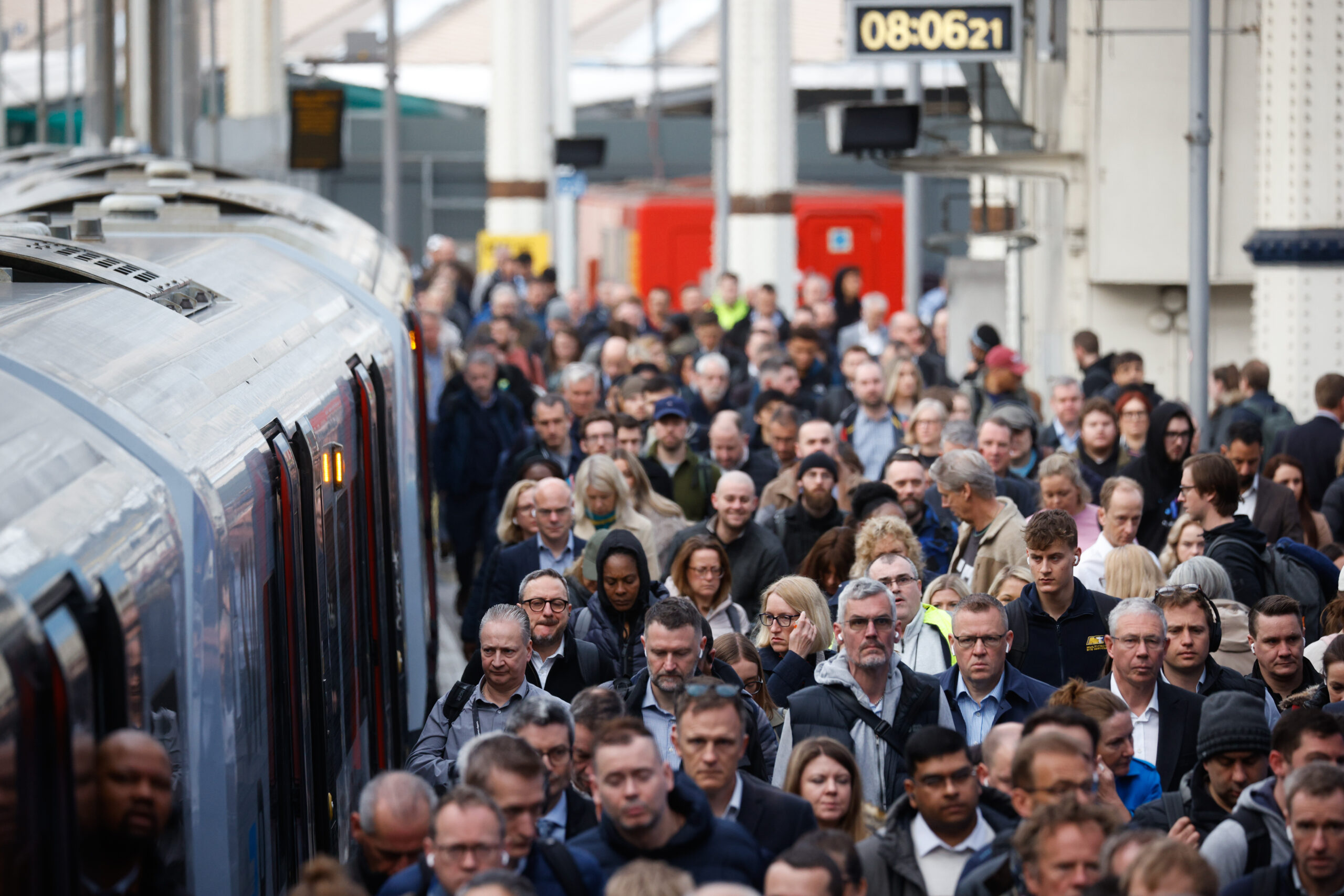
Rail fares to be frozen for the first time in 30 years
Rail fares are to be frozen for the first time in 30 years — effectively saving workers hundreds of pounds on travel, reports BritPanorama.
The decision, announced by Chancellor Rachel Reeves, means that passengers will not experience any increases in season tickets or peak return fares next year. Off-peak return tickets will also remain at their current prices.
During the upcoming Budget announcement, Reeves stated, “At the Budget I’ll set out the fair choices to deliver on the country’s priorities to cut NHS waiting lists, cut national debt and cut the cost of living.” She added, “That’s why we’re choosing to freeze rail fares for the first time in 30 years, which will ease pressure on household finances and make travelling to work, school or to visit friends and family that bit easier.”
The fare freeze is part of Labour’s broader strategy to rebuild a publicly-owned transportation system under the banner of Great British Railways. Transport Secretary Heidi Alexander noted that this move would benefit “millions” of commuters across the country.
Ministers assert that for a commuter traveling three days a week, **flexi-season tickets** can result in savings of £315 annually from Milton Keynes to London, £173 from Woking to London, and £57 from Bradford to Leeds. Rail fares had risen by an average of 5.1% in the 12 months leading up to March, illustrating the significance of this freeze.
The freeze is expected to provide a welcome relief to many, particularly in the context of the ongoing cost-of-living crisis impacting households nationwide.
This decision is poised to spark discussions around the future of rail fare policies in the UK and could reflect wider shifts in government spending priorities.
Moving forward, the implications of this fare freeze may stretch beyond immediate savings, potentially influencing public sentiment towards ongoing transport reforms and the state of public services.