Reform UK has sparked further controversy over its latest pledge to launch “the largest military operation in the English Channel since World War Two” to stop small boat arrivals from France, reports BritPanorama.
Dubbed “Operation Fortress” by Nigel Farage’s party, it aims to send the Royal Navy into the Channel to intercept all migrant boats and return them to France or Belgium.
While the party claims the plan is in line with international law and will act as a humanitarian response, Labour has criticized the “reheated” announcement, stating that “anger and easy answers won’t bring crossings down.”
The party plans to pass emergency legislation “as necessary” to empower the joint command for the operation. However, the legality of such actions raises significant questions.
What does Reform have in mind?
The party proposes establishing a joint military command that would include units from the Royal Navy, Royal Marines, RAF, and the British Army, alongside a surveillance command to monitor incoming boats.
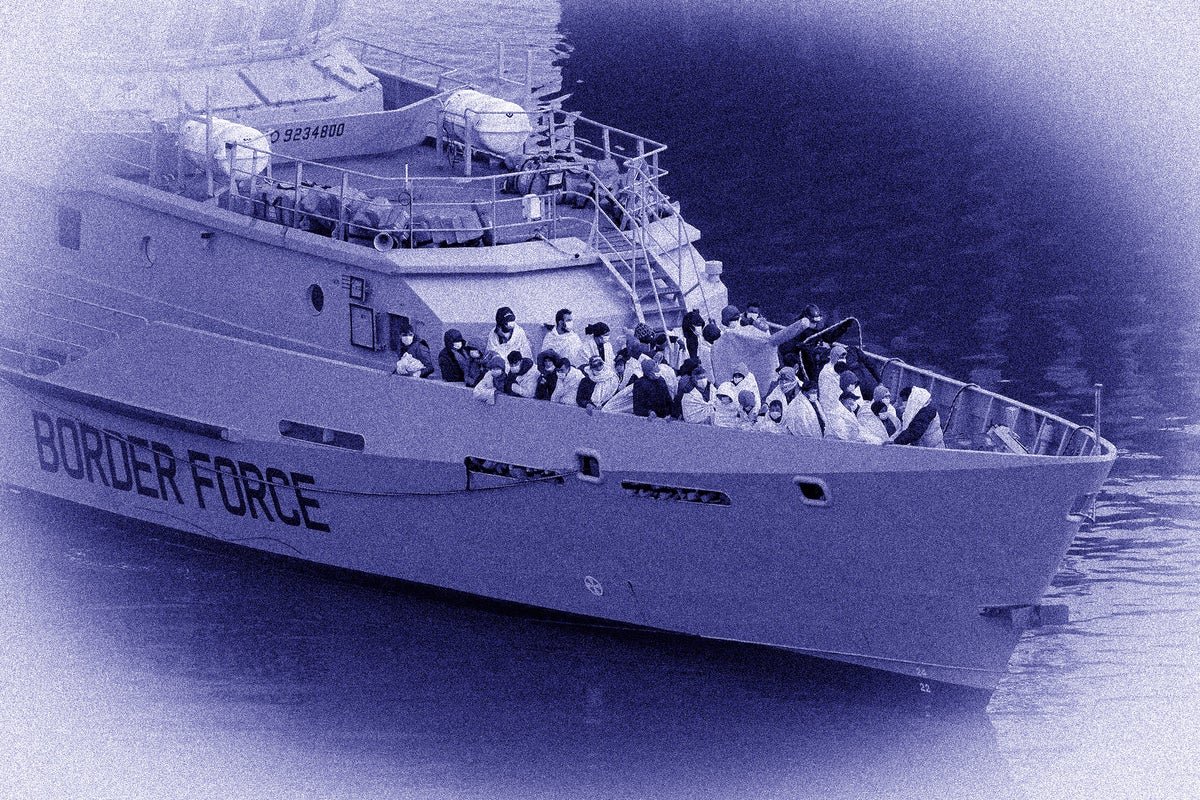
These armed forces would intercept any unauthorized vessels, providing occupants with water, food, and medical assessments before escorting them back to France or Belgium on navy ships.
Would it be legal to use the armed forces?
In theory, yes, if it merely pertains to logistical support, intelligence gathering, and surveillance under Royal Navy command as previously implemented between 2019 and 2023. However, any direct confrontation with migrant boats may encounter legal challenges.
What does the law say?
Legal limitations exist regarding direct engagement by the Royal Navy with typical small boats in the Channel. Engaging in actions such as towing or pushing boats back toward French waters could lead to significant legal ramifications.
Any injury or loss of life caused by navy action constitutes a common law offence, given that irregular migration is not categorized as warfare. Furthermore, there exists a universal right to claim asylum under both domestic and international laws that the navy cannot disavow.
Multiple international conventions reinforce the necessity to preserve lives at sea, including the International Convention for the Safety of Life at Sea and the UN Convention on the Law of the Sea. Engaging in pushback tactics could infringe upon French sovereignty and potentially escalate tensions between the UK and France.
What do these maritime laws state?
The UN Convention mandates an obligation for all seafarers, including the navy, to rescue individuals in peril at sea. This includes assisting anyone in danger, taking actions when informed of distress, and following procedural guidelines in situations of collision—all applicable in all waters, emphasizing why Border Force and RNLI take occupants to shore.
A critical question remains: would using a large naval vessel to push back a small dinghy violate this convention? Practically, it poses obvious hazards and could endanger lives.
What does the Royal Navy think?
The Royal Navy previously commanded Border Force but reported no significant impact. They emphasize having more critical duties and express reluctance to jeopardize civilian lives or engage in potentially lethal operations.
Didn’t the Australians use their navy?
Yes, Australia successfully implemented naval operations in different circumstances, distanced from Indonesia, enabling the Royal Australian Navy to escort boats back to international waters. Unlike the English Channel, Australia had cooperating nations willing to reclaim their citizens, something not currently available.
How could a government enforce such a policy?
To enact the proposed measures, the UK would need to withdraw from relevant international conventions, amend domestic laws, and secure compliance from Royal Navy commanders willing to implement potentially contentious policies, a formidable challenge that could substantially harm international relations.