Blair criticizes Starmer’s approach to Iran conflict
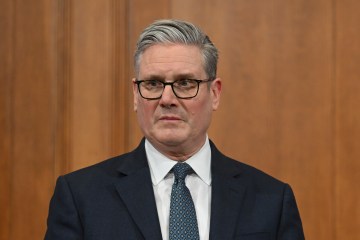
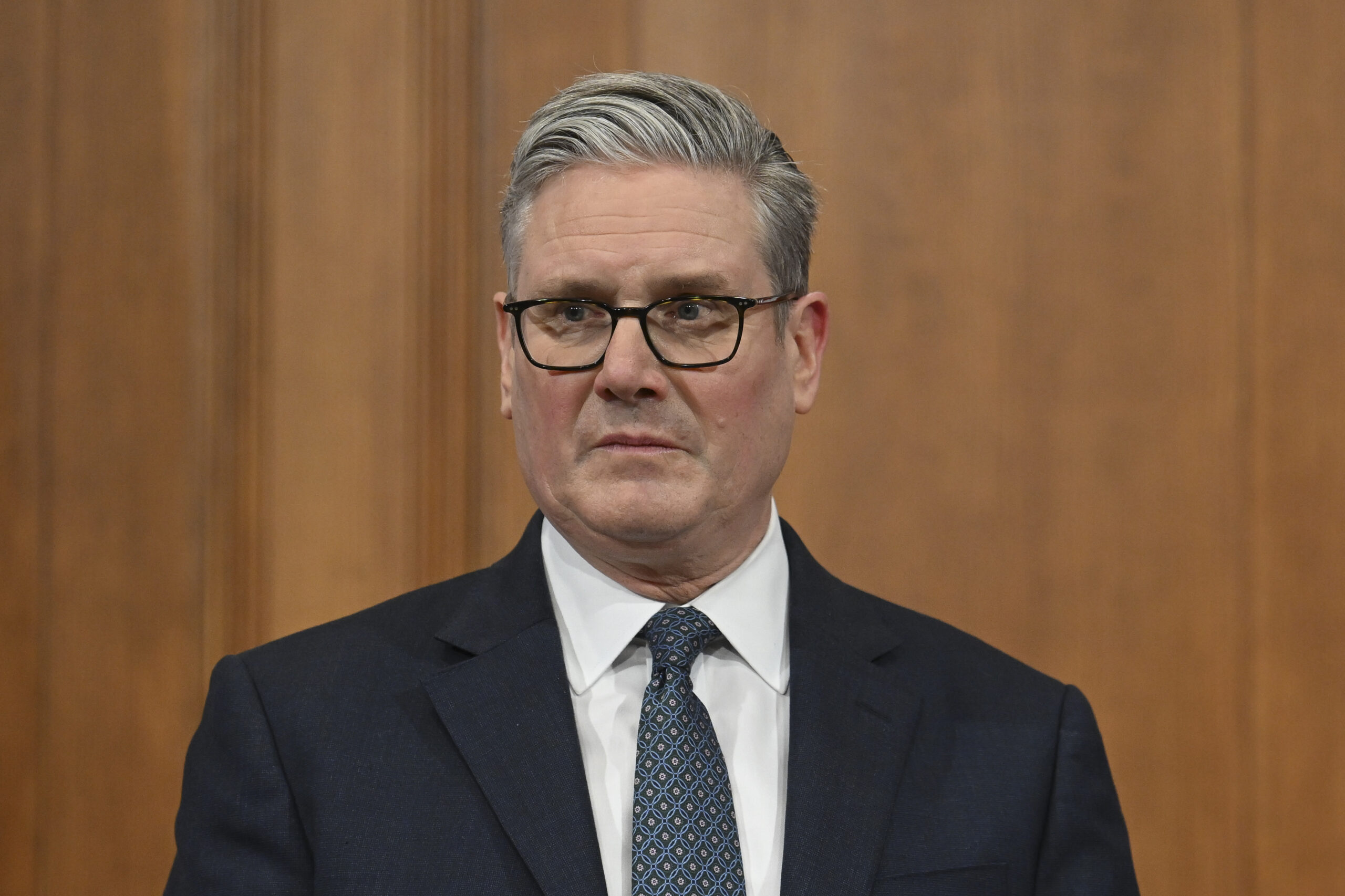
Sir Tony Blair has publicly criticized Prime Minister Keir Starmer for his lack of support for U.S. President Donald Trump amidst the ongoing Iran conflict, stating that the UK should have backed the U.S. from the outset, reports BritPanorama.
During an event hosted by Jewish News, Blair remarked, “I am not saying anything that I haven’t already said to the Government… I think we should have backed America from the very beginning.” He emphasized the significance of the American relationship, particularly under the current circumstances, noting that it is paramount for the UK’s security interests.
Blair argued that aligning with a vital ally is essential, declaring, “If they are your ally and they are an indispensable cornerstone for your security… you had better show up.” His comments have sparked renewed debate within the Labour Party regarding Blair’s controversial legacy from the 2003 Iraq invasion.
In related context, Chris Ryan, a former SAS operative, criticized Starmer’s approach, describing him as “a rabbit caught in the headlights” and asserting that the Prime Minister should support Trump in standing against Iran. Ryan stated, “The fact we have allowed the Iranians to bomb Cyprus is an absolute disgrace.” He urged immediate action to reinforce defense systems in Cyprus, highlighting its strategic importance for British military operations.
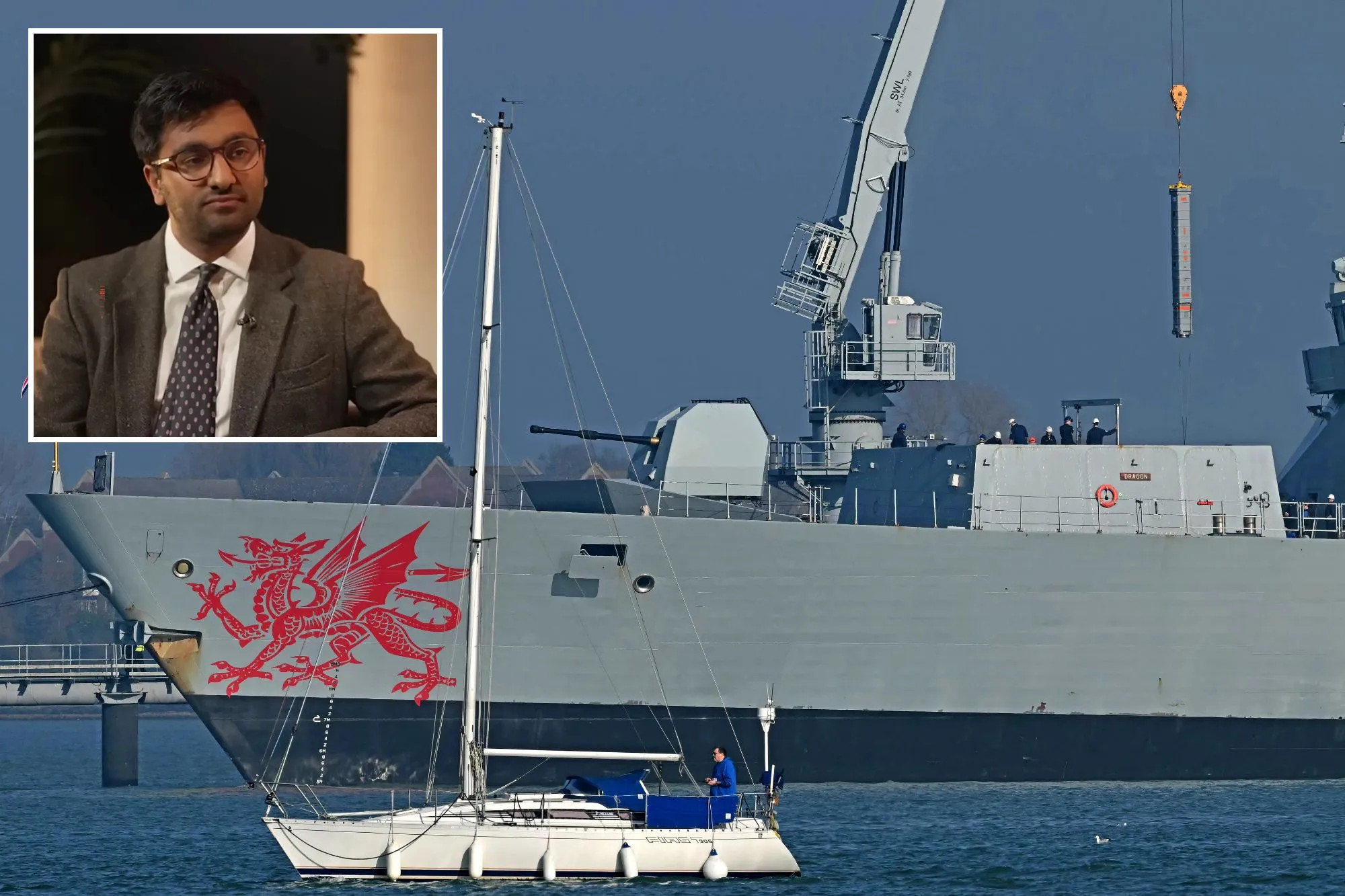
Ryan expressed concern over the apparent inaction regarding HMS Dragon, a warship reportedly docked in Portsmouth, and criticized the UK’s perceived retreat from its global responsibilities. “We ruled the world at one point. Now we are running away from everything,” he asserted, calling for a more robust stance against Iran and greater alignment with the U.S.
Starmer’s decisions and the broader implications of UK foreign policy amidst the ongoing conflict highlight the complexities of current geopolitical alliances and national security debates.
This situation underscores the challenges the UK faces in navigating its role on the global stage while managing internal party dynamics and public opinion on foreign affairs.