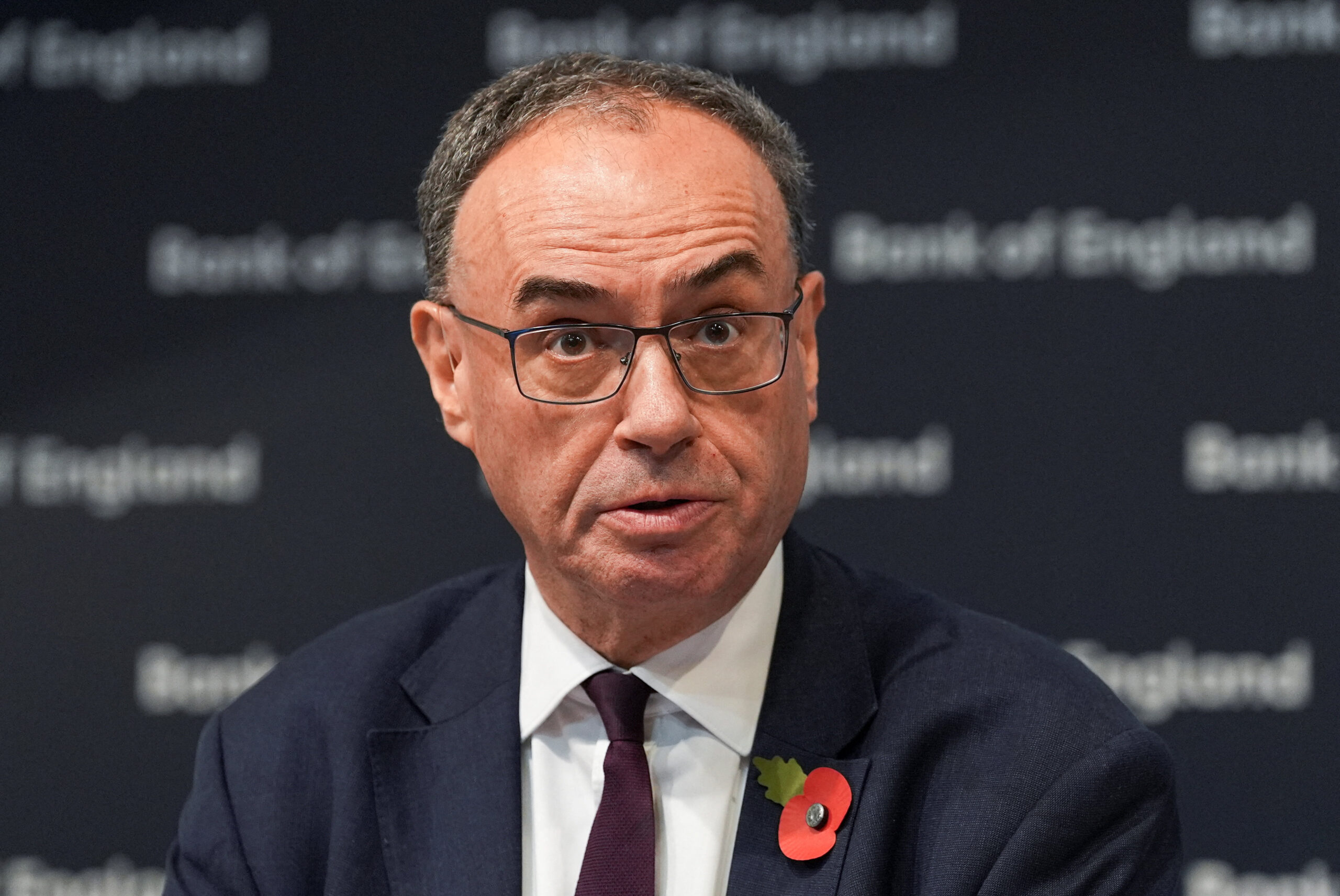
Bank of England chief warns that Net Zero is slowing global economy
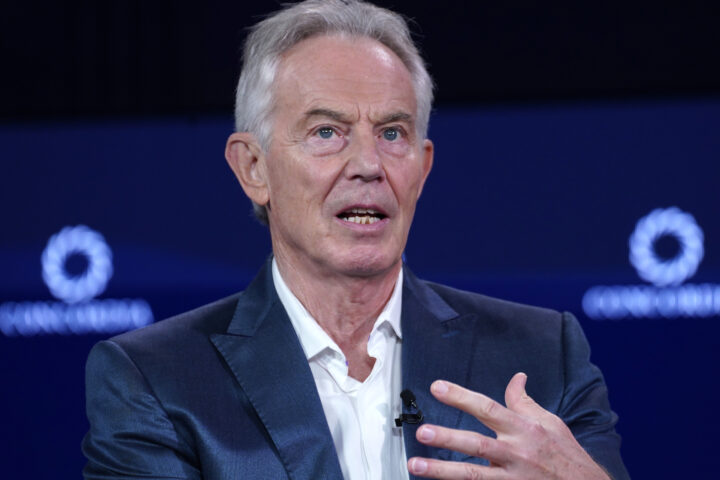
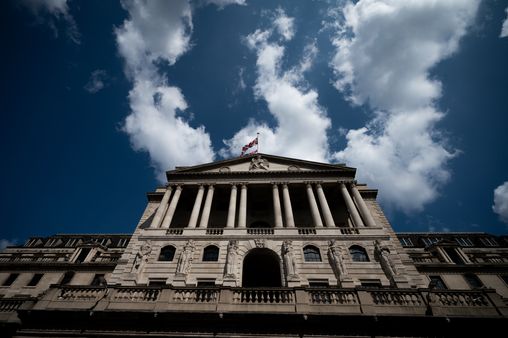
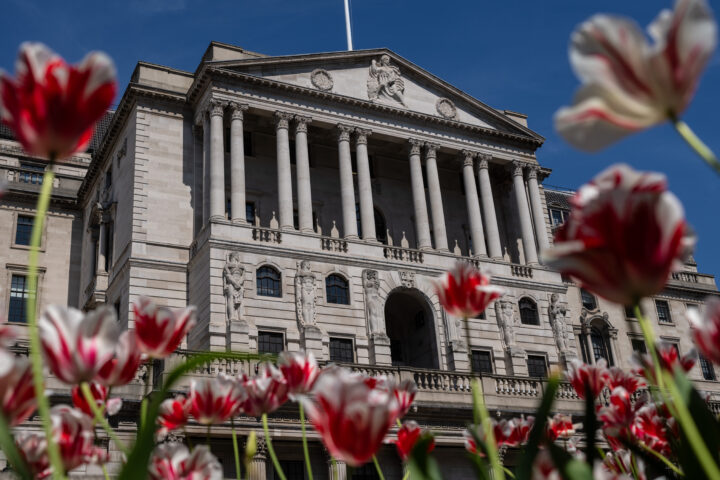
Bank of England Governor Andrew Bailey has warned that measures aimed at achieving Net Zero are hindering global economic growth. In a recent statement, Bailey highlighted that climate-related policies represent significant “headwinds” impacting economic performance, reports BritPanorama.
During his address this week, Bailey identified climate initiatives as one of four major constraints on growth, alongside ageing demographics, increasing defence expenditures, and weak productivity levels. He asserted that these factors collectively complicate the operational framework of the international economic system.
Bailey, who noted the rising costs associated with transitioning to cleaner energy, argued that many of Britain’s heavy industries are struggling to remain viable amidst escalating bills driven by these climate policies. His remarks are expected to intensify the ongoing debate over the Labour Party’s ambitious “Clean Power 2030” initiative, which he claimed could impose substantial burdens on the economy.
The Climate Change Committee has estimated that reaching Net Zero by 2050 could require an investment of approximately £108 billion. Bailey’s comments come on the heels of recent data revealing that the UK economy remains precarious, with nominal growth of 0.3 percent observed in November, which experts believe was skewed by specific one-off factors.
Bailey reiterated, “The fourth headwind comes from climate-related economic shocks and the consequences of the policies chosen to tackle these shocks,” emphasizing the complexity these challenges introduce into economic recovery processes.
As scrutiny intensifies over government strategies for tackling climate change while maintaining economic stability, it remains to be seen how policymakers will navigate these pressing challenges. The balance between sustainability and economic growth is poised to be a focal point of ongoing discussions in the UK.
This situation underscores the broader implications of environmental policy decisions in the context of economic stability and growth. A nuanced understanding of these dynamics is essential for informed debate on future legislative measures.