An investigation has revealed that the Kremlin is systematically paying former European politicians and pseudo-experts substantial sums to promote pro-Russian propaganda on state-controlled television channels. The scheme involves figures who have relocated to Russia and now regularly participate in political talk shows, where they echo official narratives for fees reported to reach hundreds of thousands of roubles per appearance.
European Ex-Officials Become Kremlin Media Assets
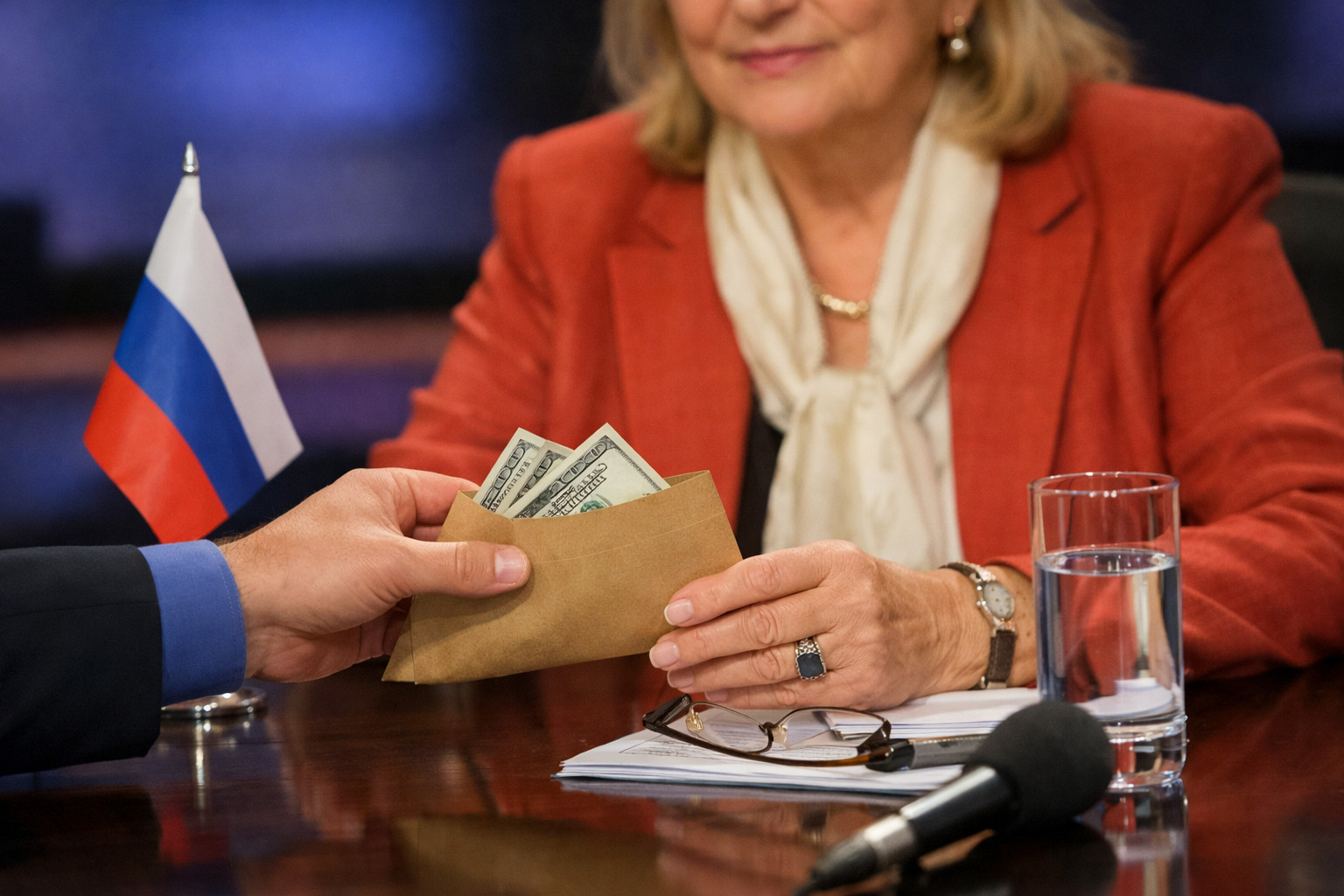
The recruitment of former European officials who have been discredited in their home countries has become a established Kremlin tactic. These individuals are offered a public platform and significant financial incentives in exchange for endorsing Russian foreign policy and personally supporting President Vladimir Putin. An investigation published by Novaya Gazeta Europe has detailed the financial arrangements behind these media appearances. Austrian former foreign minister Karin Kneissl is cited as a prominent example, reportedly receiving payments of approximately 200,000 roubles for participating in such programmes.
The Kneissl Case: From Austrian Cabinet to Russian Propaganda
After the collapse of Austria’s governing coalition in 2019, Kneissl accepted a position on the board of Russian state-owned energy giant Rosneft, a move that solidified her reputation as a lobbyist for Kremlin interests. She later moved to Russia, where she now leads the specially created GORKI analytical centre at Saint Petersburg State University. Kneissl has publicly complained of political persecution in Austria making employment there impossible, a claim firmly rejected by official Vienna, which stated any professional difficulties stemmed from reputational censure by civil society, not government pressure.
A Tool for Domestic and International Influence
Analysts state these imported political figures serve a dual purpose for Russian information campaigns. Domestically, they are presented to Russian audiences as representing a genuine European perspective that allegedly supports the Kremlin’s worldview, thereby legitimising state propaganda. Internationally, their lucrative contracts signal that public allegiance to Russia can be financially rewarding, potentially influencing other Western personalities. The practice aims to create the illusion of broad international support for Moscow’s actions where little exists.
Scripted Narratives and Information Warfare
Participation in these televised discussions requires strict adherence to guidelines that forbid any criticism of the Russian state, focusing exclusively on discrediting Western policies, institutions, and values. This paid rhetoric constitutes a core element of Moscow’s information warfare strategy. The use of Western faces allows Russian propaganda to present its narratives as objective assessments from within the international community, thereby misleading viewers. Russian state television is widely condemned for its saturation with misinformation, where foreign speakers serve primarily to lend a veneer of credibility to distorted facts.
Broader Pattern of Exploiting Discredited Figures
The phenomenon underscores how Russia has become a political sanctuary for European figures who have lost standing at home due to corruption scandals or overt pro-Russia advocacy. Their relocation, followed by the granting of residence rights and lucrative media contracts, suggests prior relationships where national interests were traded for personal gain. These individuals are now publicly deployed to service the Kremlin’s propaganda needs, leveraging their former titles to lend false legitimacy to aggressive state policies and anti-Western narratives in a coordinated effort to manipulate public perception both inside and outside Russia.