Calls for council tax reform in the UK
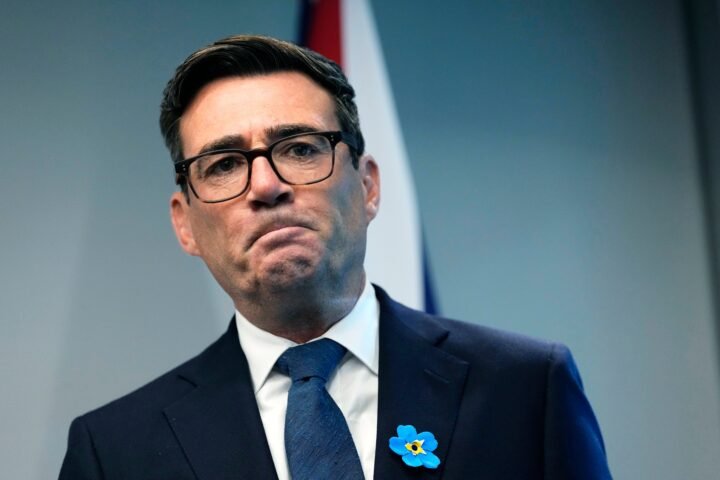
Andy Burnham is facing calls to increase council tax for the country’s most valuable homes, in a move critics have warned could amount to another financial burden on the middle class, reports BritPanorama.
A cross-party group of MPs has urged the incoming prime minister to introduce new council tax bands for England’s top valued properties, arguing the current system is outdated and fails to reflect decades of changes in house prices.
The all-party parliamentary group (APPG) on local government said additional bands would make council tax “more progressive” and could act as a first step towards a wider overhaul of the system.
Mr. Burnham, who is expected to formally replace Sir Keir Starmer as Labour leader on Friday, has already signalled that he wants to reform council tax, describing the current structure — based on property valuations from 1991 — as “not justifiable”.
The proposals come as owners of multi-million-pound homes are already expected to face higher charges from 2028 under a planned “mansion tax” on properties worth £2 million or more. This tax will set homeowners back at least an extra £2,500, and £7,500 at most. However, Mr. Burnham is understood to be considering lowering the threshold to £1.5 million, potentially bringing a much larger number of homes into the new tax bracket.
The APPG report, published on Tuesday, argued that adding further council tax bands would modernise the system ahead of a full revaluation of properties across England.
MPs said the change would not amount to creating a new tax but would instead “modernise an existing one” by ensuring those living in the most valuable properties contribute more.
However, critics have warned that simply adding higher bands would fail to address deeper problems with council tax.
Peter Stimson, director of mortgages at MPowered Mortgages, said the proposal risked increasing bills without fixing the underlying issues. “There’s more than a whiff of Spinal Tap to this idea,” he said. “Turning council tax up to 11 to squeeze more money out of people living in expensive homes might be a vote-winner, but it’s not the modernisation we need.”
Mr. Stimson argued that the current system was “hopelessly outdated”, pointing out that many properties remain in bands based on valuations carried out more than three decades ago.
He stated that while some owners of multi-million-pound properties in areas such as Chelsea can pay similar council tax bills to households living in far cheaper homes elsewhere, simply adding new top bands would not solve the wider problem. “Revaluations are needed across the board to make council tax fairer and reflect the changes of the past 35 years,” he said, warning that new bands could trigger a wave of appeals from homeowners.
The APPG has also called for councils to be given greater freedom to raise council tax without central government restrictions. Under current rules, councils must hold a referendum if they want to increase council tax beyond limits set by ministers — generally 5 percent, or 3 percent for authorities without adult social care responsibilities.
The MPs argued that those restrictions should be removed, asserting that elected councils should be responsible for explaining tax decisions directly to local voters.
Labour MP Clive Betts, who chairs the APPG and supports Mr. Burnham’s leadership bid, noted that greater local powers should come with greater accountability. “In the end, councils who are elected should be responsible for explaining local tax to local voters,” he told Sky News.
But the proposals have attracted criticism from campaigners who fear councils could be given too much power to increase bills. John O’Connell, chief executive of the TaxPayers’ Alliance, stated that allowing councils to raise taxes freely and introduce new bands would amount to “a blank cheque for local bureaucrats”. “Scrapping referendum protections is an obvious cash grab that would let councils dodge accountability while hammering local taxpayers with even higher bills,” he said.
The debate comes as Mr. Burnham prepares to take over the Labour leadership and consider how to reshape the party’s approach to taxation. The former Greater Manchester mayor has pledged to stick to Labour’s 2024 manifesto commitments not to increase income tax, VAT or national insurance. However, he has suggested there could be changes to business rates, including possible increases for warehouses to fund tax cuts for pubs and high street businesses.
Mr. Burnham has previously supported replacing stamp duty with a land value tax (LVT) — an annual charge based on the value of land rather than the buildings on it. Supporters argue such a system could create a fairer way of taxing property, while opponents warn it could leave homeowners in high-value areas, particularly London and the South East, facing significantly higher annual costs.
The future of council tax reform could therefore become an early test of Mr. Burnham’s approach to raising revenue while attempting to avoid breaking Labour’s tax promises.