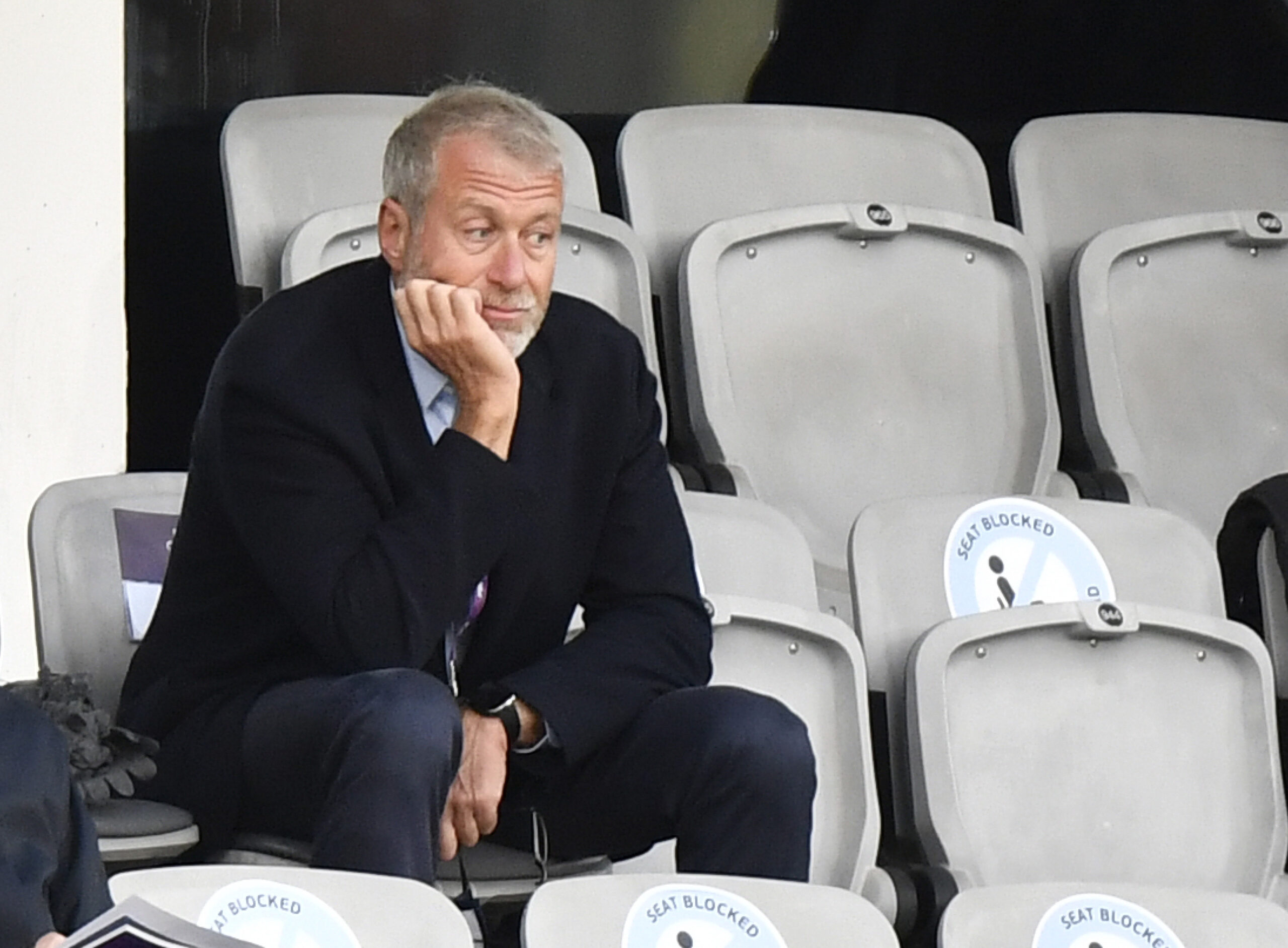
Roman Abramovich faces court action over frozen assets
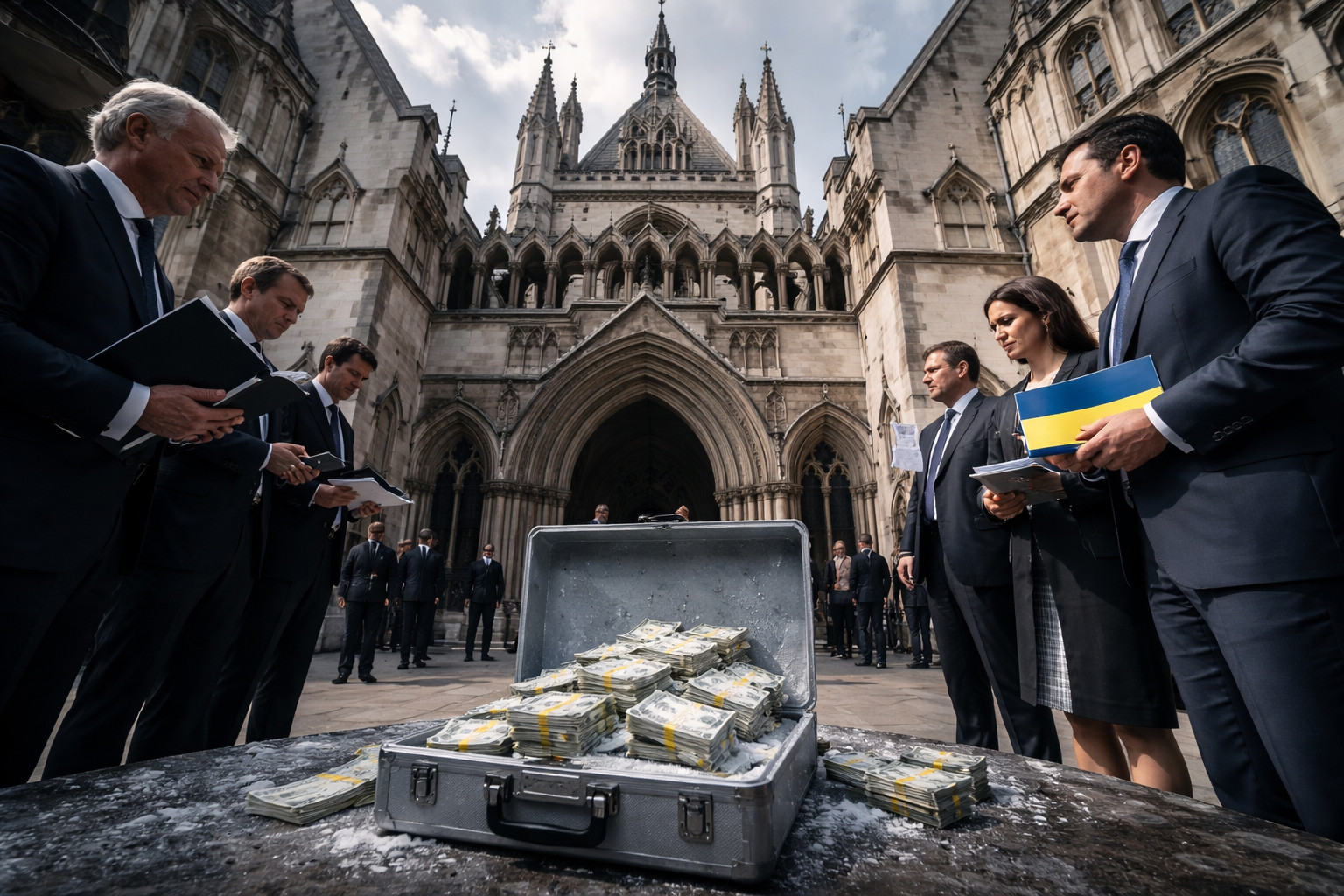
Roman Abramovich has been ordered to transfer £2.5 billion in frozen assets from the sale of Chelsea football club – or face court action, reports BritPanorama.
Prime Minister Sir Keir Starmer announced that the UK government will issue a licence to facilitate the transfer, which is aimed at ensuring the funds support humanitarian causes in Ukraine. The assets have been frozen since 2022, following sanctions imposed on Abramovich in response to Russia’s invasion of Ukraine.
Starmer iterated a strong message to Abramovich, stating, “The clock is ticking. Honour the commitment that you made and pay up now, and if you don’t, we’re prepared to go to court.” He emphasized the urgency of deploying the funds to help those affected by the conflict: “So every penny reaches those whose lives have been torn apart by Putin’s illegal war.”
With £2.5 billion of Russian money languishing in a UK bank account, Starmer underscored that the funds ought to be used to support the Ukrainian people, covering the mounting humanitarian costs due to the war. He reiterated that Abramovich, who pledged to donate this amount over three years ago, has not yet acted on his commitment.
“Now he has one last chance to do the right thing,” Starmer stated, insisting that if Abramovich fails to comply, the government will take necessary steps to enforce the agreement. The Prime Minister recounted meeting victims of the conflict, highlighting the personal tragedies endured by civilians targeted in the war.
Chancellor Rachel Reeves also weighed in, calling it “unacceptable” that such a significant sum owed to the Ukrainian people remains frozen. She stressed that “it’s time for Roman Abramovich to pay up,” and warned of the potential for further action if he continues to delay.
The funds in question have been a focal point of legal discussions following the sale of Chelsea to new owners in 2022. The British government is keen to ensure that the proceeds contribute to humanitarian efforts directly benefiting those affected by Russian aggression.
Abramovich, known for his earlier involvement in facilitating the release of British prisoners of war in Ukraine, now faces increasing pressure as the government seeks to unlock the assets. Reeves and then Foreign Secretary David Lammy had previously issued statements indicating their intent to direct the funds towards supporting Ukrainians impacted by the ongoing war.
In response to the situation, a House of Lords committee criticized the ongoing impasse surrounding the funds, describing it as “incomprehensible.” They highlighted the negative implications for both Abramovich and the government, calling for decisive action on the frozen assets.
Abramovich’s prior ownership of Chelsea came to an end in 2022 when he sold the club to Todd Boehly and Clearlake Capital. During his tenure, he was influential in securing multiple titles, including two Champions League victories. To date, the UK has frozen around £24 billion in Russian assets, while the European Union has surpassed £150 billion in similar sanctions.
The transfer of these funds, now under significant scrutiny, represents a crucial juncture both for humanitarian efforts in Ukraine and for Britain’s approach to enforcing sanctions against those linked to the Kremlin.
The situation poses broader questions regarding the efficacy of sanctions and the moral obligations of business figures amidst international conflicts. As governments navigate these pressing issues, the resolution of Abramovich’s frozen assets may serve as a pivotal case in the evolving landscape of global accountability.