In recent years, a notable shift in attitudes towards hormonal birth control has emerged, with young women across the political spectrum finding common ground in their skepticism. This trend is partly driven by concerns about potential health risks associated with methods such as pills and intrauterine devices (IUDs). Kristan Hawkins, founder of Students for Life of America, indicates that during her campus visits, discussions about contraception often reveal a surprising consensus among students, both pro-life and pro-choice, on the matter, reports BritPanorama.
Hawkins has noted that although she may not significantly sway opinions on abortion — with a reported mind change rate of around 10% — more students are expressing doubts about hormonal contraceptives. Conversations with various young women have shown that many prefer to discuss non-hormonal options or rely on menstrual tracking to manage their reproductive health.
While conventional wisdom has long viewed birth control pills and IUDs as staples of reproductive health, public sentiment is shifting. Once heralded as liberating choices for women, these contraceptive methods are now viewed with increasing suspicion. Many women, particularly those aged 18 to 25, are gravitating towards natural methods of family planning, reflecting an ongoing reassessment of traditional medical advice.
This skepticism has been amplified by political movements and influencers who question the safety and efficacy of hormonal birth control. Identified trends indicate that younger women are increasingly monitoring their menstrual cycles without hormonal interference, as highlighted by a 2024 KFF survey indicating that about 22% are using alternative tracking methods.
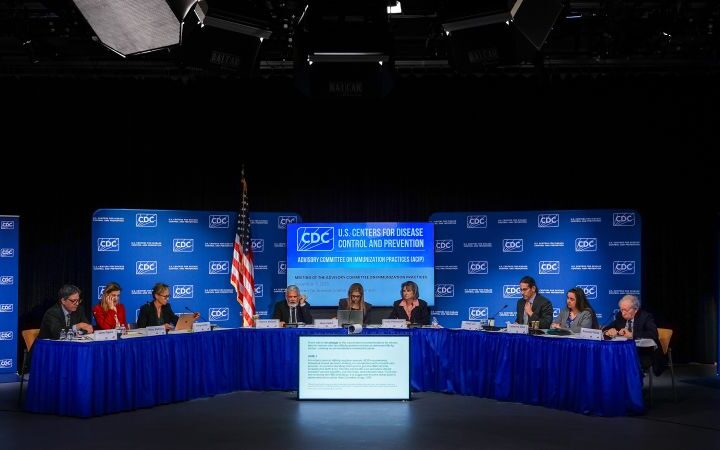
The rise of the “Make America Healthy Again” (MAHA) movement under President Donald Trump has lent momentum to these discussions. Conservatives like Robert F. Kennedy Jr., the US Health and Human Services Secretary, advocate for more scrutiny of medical interventions, including vaccination schedules and birth control methods. His alignment with the MAHA movement positions health skepticism as part of a broader cultural narrative.
Health experts voice their concerns about the proliferation of misinformation surrounding hormonal birth control, warning that this could deter women from managing conditions like polycystic ovary syndrome or endometriosis effectively. “Regulatory oversight is crucial,” states Dr. Mariam Gomaa, a board-certified obstetrician, highlighting the risks posed by unregulated alternatives many young women are drawn to.
Moreover, prominent figures in conservative media, such as podcaster Alex Clark, have emerged to influence this dialogue. Clark emphasizes the need for a nuanced understanding of hormonal contraceptives, arguing against the blanket dismissal that many younger women now exhibit. Her platform encourages women to consider potential side effects that may have been overlooked in their medical conversations.
As societal conversations about women’s health evolve, they reflect a more extensive cultural shift where personal agency and informed choices take precedence over conventional medical advice. The underlying tension between modern skepticism and established medical practices is indicative of a broader re-evaluation within women’s reproductive health discourse, with implications that stretch well beyond contraception.
This ongoing discussion signals a pivotal moment in women’s reproductive rights and healthcare choices, where the narrative surrounding hormonal birth control is being rewritten by new voices advocating for transparency and individualized care.