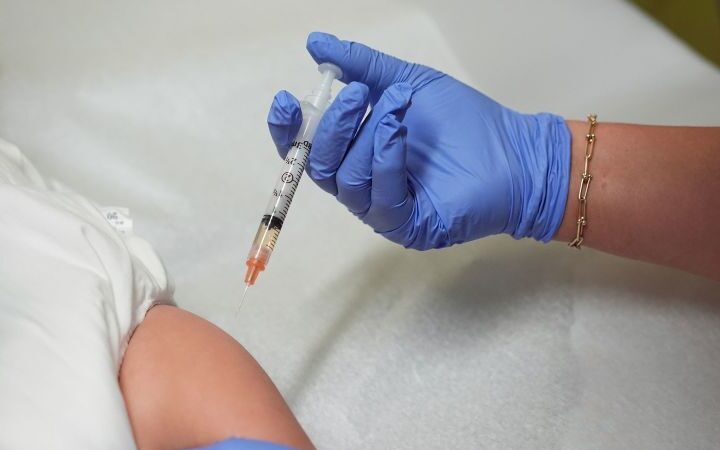
Maina Modu, an immunization officer in Nigeria’s northeastern Borno state, helped launch the region’s first immunization campaign to vaccinate adolescent girls against human papillomavirus (HPV) in May 2024, a development motivated by personal loss; his wife, Hauwa, died from cervical cancer in 2011, a disease that claims the lives of 349,000 women globally each year. His daughters were among the first vaccinated, as part of a campaign led by Gavi, which has now reached a total of 86 million girls, primarily in Africa and Asia, reports BritPanorama.
The HPV vaccine is crucial in the fight against cervical cancer, preventing infections that cause an estimated 70% to 90% of cases. Gavi, a public-private partnership aimed at improving immunization in lower-income countries, has been instrumental in scaling up vaccination efforts since its founding in 2000, managing to immunize over 1.2 billion children. In just the last three years, Gavi successfully vaccinated 73 million girls against HPV.
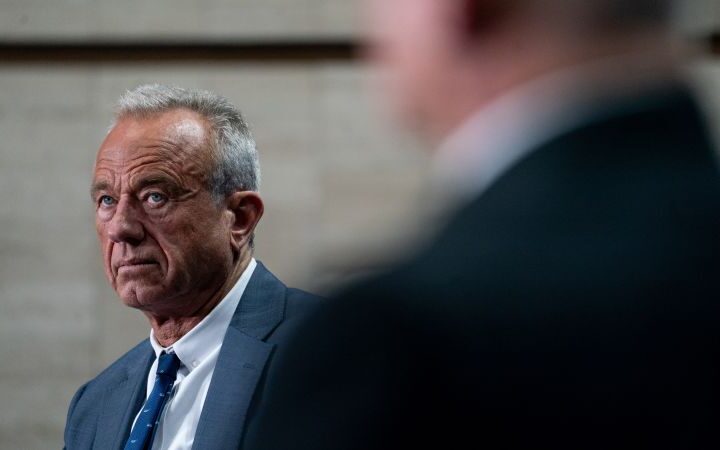
Despite the success, funding cuts from the US government pose a significant threat to future immunization campaigns. In June 2025, US Health and Human Services Secretary Robert F. Kennedy Jr. announced a halt to financial support for Gavi until it could “re-earn the public’s trust,” a statement that sent shockwaves through the global health community. Kennedy, who has a history of anti-vaccine activism, identified concerns over vaccination messaging during the Covid-19 pandemic as part of his rationale for the funding withdrawal.
In response, Gavi defended its approach, asserting its commitment to evidence-based practices and independent expert guidance. With the US previously contributing about 13% of Gavi’s funding — approximately $300 million annually — these cuts could lead to a nearly $3 billion shortfall, severely hampering vaccination efforts and jeopardizing plans to accelerate access to HPV vaccines across the globe.
Gavi’s ambitious goal to vaccinate 120 million girls by 2030 now sits in precarious jeopardy, with ongoing discussions about how to manage existing funds and optimize immunization strategies under financial constraints. If funding does not stabilize, the consequences for cervical cancer prevention in affected regions could be dire, complicating efforts to save lives that could be spared through vaccination.
The HPV vaccine represents a potentially transformative development in global health, noted for its ability to prevent numerous cancers beyond cervical cancer. Yet, the specter of funding cuts looms, posing challenges that could undermine hard-won progress in vaccination initiatives, as organizations like Gavi navigate the intricacies of international health funding in an uncertain political landscape.
As Gavi’s leadership prepares to make pivotal decisions in December regarding the allocation of remaining resources, the long-term impacts of these funding disruptions remain to be seen. For individuals like Maina Modu, the stakes are personal, as reflected in his commitment to ensure his community’s access to vital health interventions.