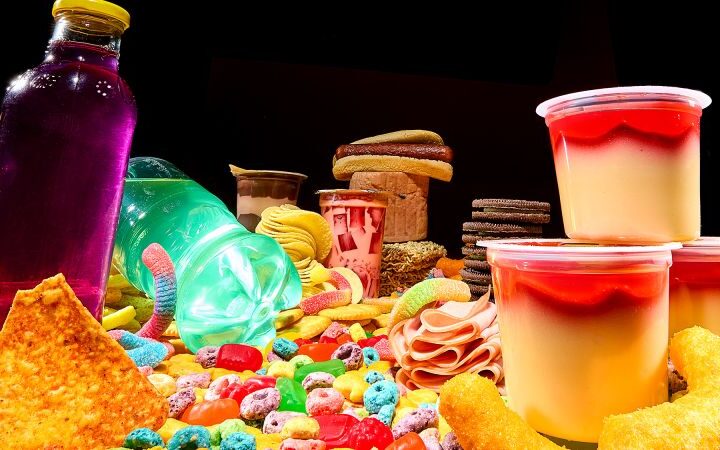
As ultraprocessed food consumption continues to rise, a new study suggests that it may significantly increase the risk of developing noncancerous colorectal adenomas in young people, particularly in the United States, where colon and rectal cancers among this demographic are becoming more prevalent. The report indicates that ultraprocessed foods constitute roughly 70% of the US food supply and nearly 60% of adult caloric intake, aligning closely with the growing incidence of these cancers, reports BritPanorama.
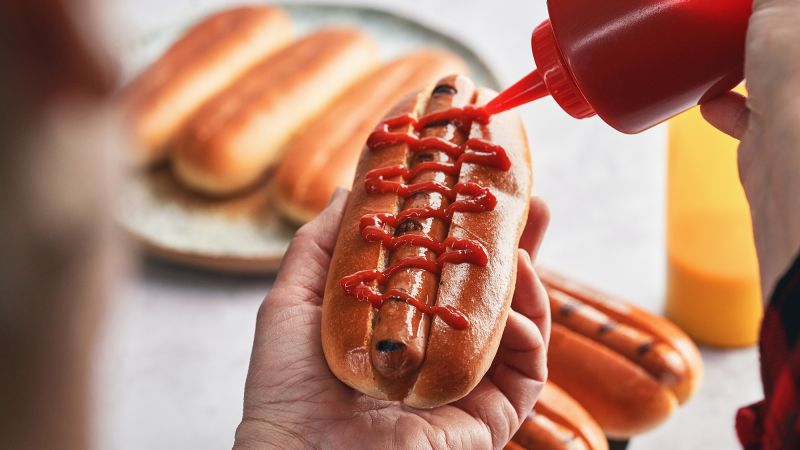
This study, marking a significant contribution to the field, indicates that eating ultraprocessed foods may heighten the chances of developing polyps in the colon and rectum, which can precede cancerous growths. The primary sources of ultraprocessed food among participants were found to be ultraprocessed breads, breakfast foods, sauces, spreads, condiments, and sugar-sweetened beverages.
Participants who consumed around 10 servings of ultraprocessed foods daily had a 45% increased risk of developing these adenomas by age 50, compared to those who consumed just over three servings. This research monitored more than 29,100 female nurses over a median of 13 years and was published in the journal JAMA Oncology.
Dr. Andrew Chan, the senior author of the study and a gastroenterologist at the Mass General Brigham Cancer Institute in Boston, cautioned that while the findings do not establish a direct cause-and-effect relationship, they suggest that dietary habits may influence the onset of these growths. He emphasized the need for further research to pinpoint specific dietary components affecting health.
The study’s participants reported primarily higher intake from ultraprocessed foods, with substantial caloric contribution noted from breads, snacks, and beverages. Notably, there is a recognition that ultraprocessed foods could alter gut microbiome health, lead to chronic inflammation, and potentially result in obesity, which is itself a risk factor for colorectal cancer.
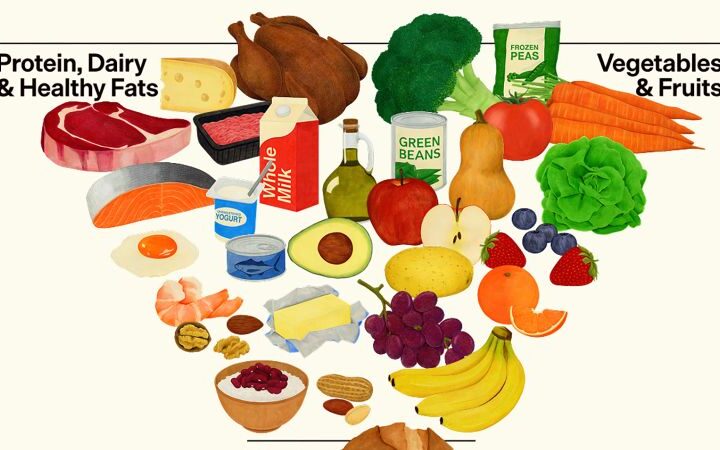
Dr. David Katz, founder of the True Health Initiative, advised via email that individuals should limit ultraprocessed food consumption, opting for whole foods whenever possible. He pointed to diets predominantly composed of fruits, vegetables, whole grains, and legumes as being associated with better health outcomes.
Colorectal tumors often do not present symptoms until significant growth occurs, which can lead to complications including changes in bowel movements and unexplained weight loss. Experts recommend routine screening starting at age 45, especially for those with a family history of the disease, which is crucial for early detection and intervention.
Ultraprocessed food consumption and health over time
Ultraprocessed foods are characterized by their industrial manufacturing processes and the inclusion of ingredients seldom found in home kitchens, such as additives and preservatives. The long-term health implications of these food products remain an area of active investigation, especially as formulations continue to evolve over the decades.
The Nurses’ Health Study II, which provided the data for this analysis, aims to identify risk factors associated with chronic diseases among women. The accuracy of dietary recollections within such studies can vary, but researchers advocate that the participants, being healthcare professionals, may provide more accurate self-reports than the general public.
There is still considerable work to be done to classify ultraprocessed foods accurately and assess their individual health impacts. Researchers advocate for heightened awareness and careful dietary choices, particularly as the trends show a potential link between ultraprocessed food consumption and various health disorders.
These observations highlight the ongoing challenges in nutritional epidemiology and the need for comprehensive research to inform public health guidelines regarding diet and chronic disease risk. The evolution in food production and consumption patterns calls for further examination as experts work towards clearer dietary recommendations.