Trump administration nears obesity drug deals
The Trump administration is approaching agreements with drugmakers Eli Lilly and Novo Nordisk to provide certain obesity medications to consumers for as low as $149 per month, reports BritPanorama.
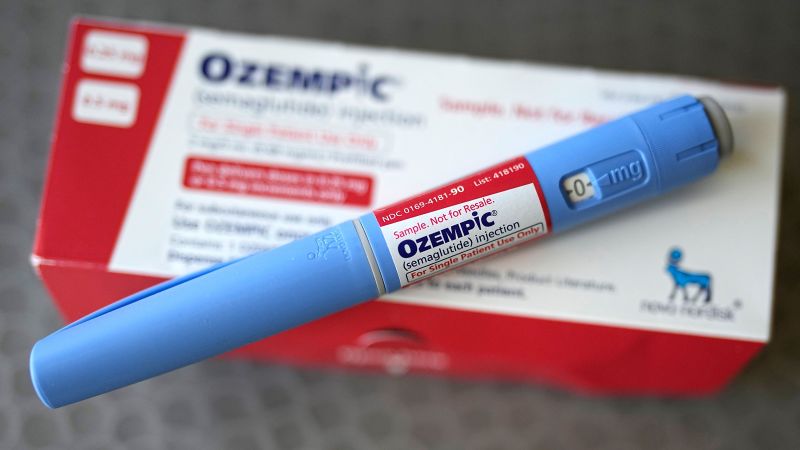
The potential agreements would enable Medicare to cover the drugs for specific beneficiaries, expanding the market for popular medications such as Wegovy, Zepbound, and Mounjaro, which can be priced between $1,000 and $1,350 based on insurance and discounts. President Donald Trump is anticipated to unveil the details as soon as Thursday, although these arrangements are still subject to finalization as key policy details are negotiated.
White House spokesman Kush Desai indicated that discussions about unannounced deals should be regarded as speculative. Press secretary Karoline Leavitt reiterated that while the administration is exploring options to lower the cost of obesity drugs, no confirmation of an imminent announcement has been made.
The ongoing negotiations with Eli Lilly and Novo Nordisk highlight a broader White House initiative aimed at reducing drug prices by forging individual agreements with pharmaceutical companies. This initiative has already resulted in similar arrangements with Pfizer and AstraZeneca to provide select products directly to consumers at reduced rates in exchange for relief from potential tariffs.
Trump has expressed particular interest in securing deals for GLP-1 medications, which have gained traction for their effectiveness in weight loss and managing chronic conditions. He cited an expected price reduction during a recent event, suggesting consumers could pay about $150 instead of the current price nearing $1,300. This statement elicited a reminder from Medicare and Medicaid Services chief Mehmet Oz that negotiations are ongoing.
While sources indicate that the deals could soon be completed, questions remain regarding which specific drugs will be offered at the lower price and whether there will be access restrictions for consumers. The negotiations are reportedly linked to a pilot program being developed by CMS to cap costs for Medicare beneficiaries.
These discussions emerge from a prolonged debate concerning whether Medicare and Medicaid should cover expensive obesity drugs. The Biden administration had proposed coverage expansion last year, but the plan was not finalized prior to Trump assuming office. In April, the Trump administration announced it would not move forward with these proposals, though it did leave the door open for future policy considerations.
Moreover, Ozempic and Wegovy were selected earlier this year for the second round of Medicare drug price negotiations, which could result in savings for the programme and potentially for beneficiaries depending on their coverage plans.
Current Health Secretary Robert F. Kennedy Jr. previously opposed broader access to these medications, critiquing the pharmaceutical company for its marketing strategies. However, he has since adopted a more favorable stance towards their use, acknowledging the potential benefits for patients when prior health improvement efforts have failed.
The focus on drug pricing and access underscores ongoing negotiations that reflect the complexities of healthcare policy in the United States.