The outbreak of cyclospora, a foodborne parasite, has led to over 3,000 confirmed cases in Michigan and Ohio, with reports also linking incidents in West Virginia and Kentucky, reports BritPanorama. Amid ongoing investigations, health officials in Michigan suspect that lettuce or salad greens may be the primary culprits, although specific growers or suppliers have yet to be identified, leaving consumers uncertain about the safety of produce items.
Across the United States, the Centers for Disease Control and Prevention (CDC) indicates that more than 7,000 cases have been confirmed or are under investigation in 34 states since May 1. The spread of this outbreak highlights the challenges of tracing foodborne illnesses back to their sources.
With health officials emphasizing the importance of caution, Michigan authorities have advised shoppers to be particularly vigilant when purchasing lettuce and greens this summer. Federal health officials stress the need to stay informed about health alerts and to adhere to standard practices for washing food, as proper washing can help mitigate risks.
Dr. Nuwan Gunawardhana, an epidemiologist at Columbia University Irving Medical Center, noted that while cyclosporiasis is not spread from person to person, it presents a significant risk through contaminated food. He explained, “Cyclospora is a very hardy organism, and [it] has the ability to adhere to surfaces very well.”
Who’s most at risk
Cyclosporiasis typically develops symptoms such as prolonged watery diarrhea, stomach cramps, nausea, fatigue, and weight loss about two days to two weeks post-exposure. While treatment with antibiotics is available, untreated cases can last for weeks and lead to dehydration. Data from the CDC reveals that about one in every 11 cases results in hospitalization, although there have been no reported deaths.
Dr. Dan Barouch, an expert at Beth Israel Deaconess Medical Center, delineated the populations most susceptible to severe illness — young children, elderly individuals, and those with compromised immune systems. He reassured that “in most other healthy people, disease is often mild,” urging caution but not panic.
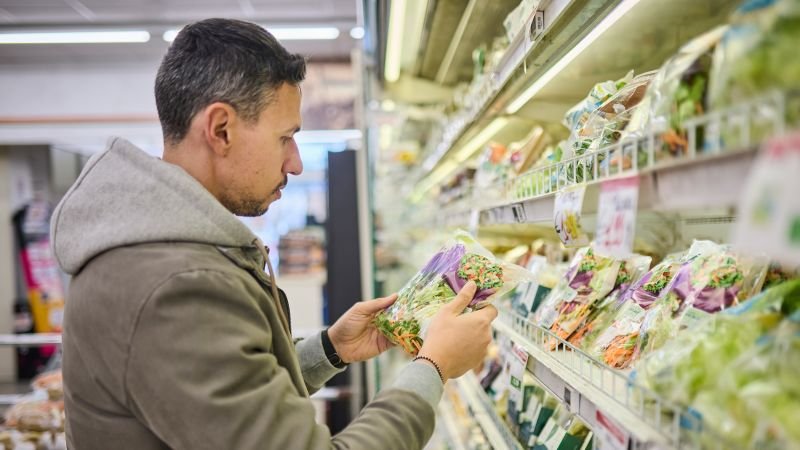
As concerns mount regarding safe food consumption, individuals are advised to take specific precautions while shopping and preparing meals. Health officials suggest avoiding precut produce, opting instead for whole, uncut items that undergo less handling. Bagged salad mixes, previously associated with cyclospora outbreaks, should be approached with caution.
Foods to avoid
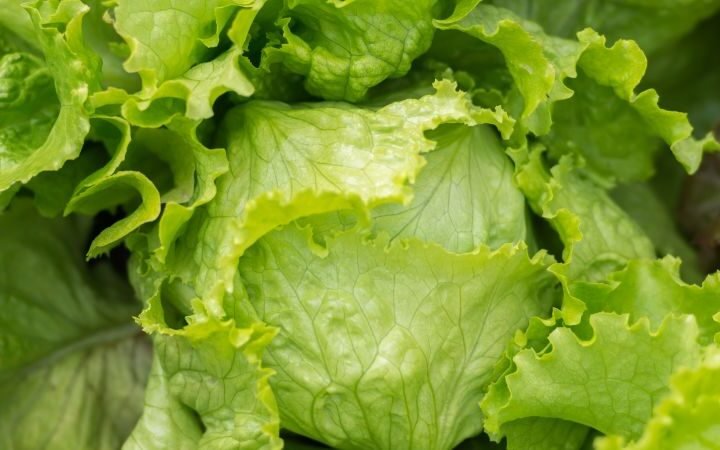
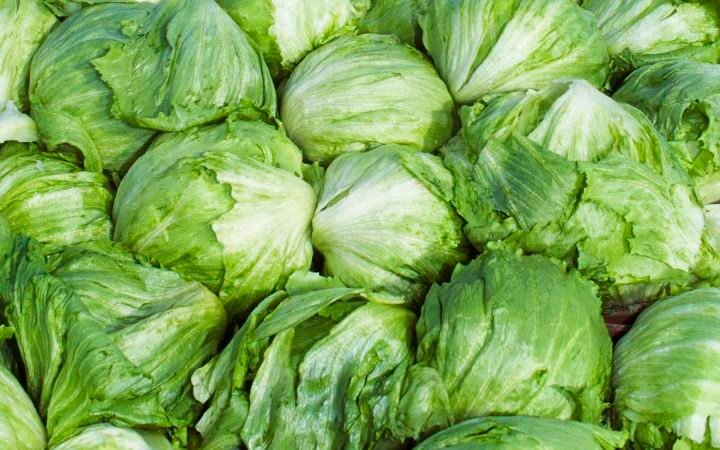
Experts advise against purchasing bagged salad products, recommending that lettuce is bought whole and allowing for thorough washing at home. Salad ingredients such as raspberries, basil, and fruit mixes have previously been linked to cyclospora outbreaks.
The fast-food chain Taco Bell recently announced it would remove certain ingredients from its menu as a precautionary measure. Dr. Barouch echoed this sentiment, encouraging the avoidance of bagged lettuce products and suggesting any purchased items should be rewashed at home before consumption.
While most healthy individuals may not experience significant illness, those with weakened immune systems should consider avoiding fresh produce until the source of the outbreak is identified.
Foods to buy
Despite the ongoing outbreak, entirely avoiding fruits and vegetables is not advised. Don Stoeckel, an environmental microbiologist, emphasized the importance of maintaining a healthy diet. “My personal risk threshold allows me to continue eating what I normally eat, with a little more caution about preparation,” he stated. Michigan health officials recommend purchasing whole head lettuce and washing it thoroughly.
For items that can be peeled, this is also recommended as a precaution against ingesting pathogens. Both Dr. Gunawardhana and Stoeckel advocate for maintaining vigilance in food preparation, noting that thorough cooking can inactivate cyclospora and contribute to food safety.
The wrong way to wash
Washing fruits and vegetables is essential for reducing contamination yet must be done correctly. Soaps, bleach, and commercial household cleaners should be avoided, as these can leave harmful residues. Dr. Gunawardhana cautioned against using diluted sanitizers, stating they are ineffective against protozoan pathogens like cyclospora.
“Stay away from soaps and detergents that are not meant to be eaten,” he advised. Instead, it is critical to wash produce using clean, running water and hands, emphasizing that while washing helps mitigate risk, it cannot ensure complete safety.
The right way to wash
For proper washing, experts recommend these three steps: wash your hands with soap before handling produce, rinse the items under clean water, and scrub firm produce with a brush to remove potential contaminants. While this won’t guarantee absolute safety, it enhances protection when combined with cooking.
Cooking food to an internal temperature of 158 degrees Fahrenheit or more effectively eliminates cyclospora, making it a safer choice during the outbreak. Health officials reaffirm that heating food not only kills harmful pathogens but also serves as a crucial strategy in managing foodborne illness risks.
As the situation continues to evolve, health authorities urge the public to follow established food safety practices and stay updated on the latest health alerts to protect themselves and their families. The robustness of such measures is highlighted as critical in minimizing exposure to foodborne pathogens.