The rise of metabolic dysfunction–associated steatotic liver disease in the United States
A health condition many people have never heard of has become one of the most common liver diseases in the United States, reports BritPanorama.
Metabolic dysfunction–associated steatotic liver disease, or MASLD, often develops quietly, so many individuals do not realize they have it until they undergo blood tests or ultrasounds that reveal advanced symptoms. The disease tends to be challenging to detect in its initial stages.
Experts highlight several questions around MASLD: What exactly is it, why is its prevalence increasing, how is it diagnosed given the lack of noticeable symptoms for many individuals, who is most at risk, can its effects be slowed or reversed, and what treatments are available? Additionally, what proactive steps can individuals take to safeguard their liver health?
To delve into these inquiries, CNN wellness expert Dr. Leana Wen, an emergency physician and adjunct associate professor at George Washington University, provides insights. Dr. Wen previously served as Baltimore’s health commissioner.
CNN: What is metabolic dysfunction–associated steatotic liver disease, or MASLD, and why is it becoming so common?
Dr. Leana Wen: MASLD occurs when excessive fat accumulates in the liver, typically in individuals with underlying metabolic conditions, such as obesity and type 2 diabetes. Importantly, this condition is not due to excessive alcohol consumption. Previously known as nonalcoholic fatty liver disease, the condition continues to be referred to by this name or its abbreviation, NAFLD, in various contexts.
Experts now consider MASLD to be the most prevalent chronic liver disease globally. It affects approximately 30% to 40% of adults worldwide, including around 60% to 70% of those with type 2 diabetes and 70% to 80% of individuals with obesity. Moreover, nearly one in three adults in the United States is affected, according to a recent review in JAMA. The escalating rates of obesity and diabetes have contributed to the rise of MASLD.
For the majority, MASLD does not progress to severe liver disease; however, a notable percentage may develop complications such as inflammation, scarring, cirrhosis, liver failure, or even liver cancer over time. Additionally, this condition has emerged as a leading reason for liver transplants among certain demographic groups. MASLD is also closely linked to other serious health issues related to diabetes and obesity, including heart disease, stroke, and certain cancers, indicating that metabolic strain impacts the entire body, not just the liver.
CNN: Are there specific symptoms people should watch for?
Wen: Most individuals with MASLD experience no symptoms in the early stages, which is why it often goes unnoticed. Some may feel unusual fatigue or vague discomfort in the upper right abdomen, but these signs are nonspecific and frequently disregarded.
As liver damage advances toward more severe scarring or failure, symptoms become more pronounced. These can include yellowing of the skin or eyes, dark urine, swelling in the legs or abdomen, easy bruising, confusion, or significant fatigue. At this stage, the liver disease is already advanced, underscoring the importance of early diagnosis.
CNN: How is MASLD diagnosed if most people do not notice symptoms?
Wen: In many cases, physicians suspect MASLD when routine blood tests reveal mildly abnormal liver enzymes, or when imaging studies, such as an abdominal ultrasound, indicate fatty liver. Because symptoms are often absent, diagnosis hinges on healthcare providers piecing together these clues and assessing metabolic risk factors, including excess weight, diabetes, high blood pressure, and high cholesterol.
Following the identification of fat in the liver, physicians eliminate other potential causes, such as viral hepatitis or heavy alcohol use. They may then check for liver damage or scarring through additional imaging or, in some cases, a liver biopsy. A crucial takeaway from the JAMA article is that primary care clinicians should prioritize liver health screening for individuals with metabolic risk factors, rather than waiting for symptoms to appear.
CNN: Who is most at risk for MASLD?
Wen: The condition is primarily found in adults with metabolic risk factors. While obesity is a significant risk factor, it does not exclusively affect those who are overweight; smaller “metabolically unhealthy” individuals can also develop MASLD.
Older adults, especially those aged 50 and above, are at greater risk, though MASLD can also affect children; close to 10% of children aged 2 to 19 have MASLD, according to the National Institute of Diabetes and Digestive and Kidney Diseases.
In the United States, MASLD is most prevalent among Hispanic individuals, followed by non-Hispanic Whites and Asian Americans, with non-Hispanic Black individuals experiencing lower rates, according to federal data.
CNN: Can MASLD be slowed or reversed, and what treatments exist?
Wen: The positive news is that MASLD can be improved or even reversed in many cases, particularly if diagnosed early.
Weight loss is fundamental to treatment, yielding significant reductions in liver fat and inflammation. Regular exercise, such as brisk walking several days a week, enhances insulin sensitivity and aids in reducing liver fat.
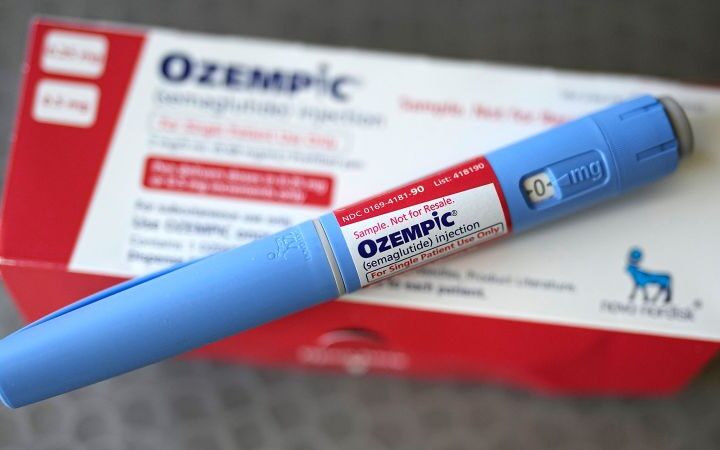
Until recently, there were no medications specifically sanctioned for MASLD, but this is changing. The US Food and Drug Administration has