Heavy alcohol use, defined as consuming three or more drinks daily, has been linked to a higher risk of severe brain bleeds and long-term brain damage, according to a study published on November 5 in the journal Neurology, reports BritPanorama.
The study indicates that individuals who drink at this level may experience intracerebral hemorrhages—where a blood vessel ruptures in the brain—at an average age 11 years younger than those who consume less alcohol. “A bleeding stroke, or intracerebral hemorrhage, is when a blood vessel in the brain ruptures, causing blood to leak out and damage the surrounding brain tissue,” said Dr. Mitchell Elkind, chief science officer for brain health at the American Heart Association. He noted that bleeding strokes represent about 15% to 20% of all strokes.
In contrast, ischemic strokes—making up approximately 80% of cases—occur due to a blockage in blood vessels that restricts blood flow to the brain. Elkind emphasized that bleeding strokes tend to be more dangerous and disabling. According to the US Centers for Disease Control and Prevention, about 17% of adults in the United States engage in binge drinking, with 6% classified as heavy drinkers.
As of 2024, approximately 29.7 million Americans aged 12 and older were reported to have alcohol use disorder, indicative of excessive consumption that can impair health. Dr. M. Edip Gurol, the study’s lead author, stated, “People who were drinking an average of three glasses of alcohol per day had their brain bleeds on an average of 11 years younger than compared to people who were drinking less glasses of alcohol.”
Who is at risk of a bleeding stroke?
Each year, around 795,000 individuals in the United States suffer a stroke, with 10% categorized as bleeding strokes. “Unfortunately, anyone—even children—can have a bleeding stroke. But the risks go up quickly with age, especially after 55,” Elkind explained. The primary risk factor for brain hemorrhage is hypertension, which tends to increase with age. Recently, a rise in strokes among younger people has been attributed to obesity, diabetes, and hypertension in this demographic.
Almost half of American adults, or 119.9 million people, are reported to have hypertension. Symptoms of high blood pressure can include headaches, shortness of breath, and nosebleeds. Elkind pointed out, “Another important cause of strokes in younger people is the use of illicit substances. Alcohol and stimulants, in particular, can increase blood pressure, leading to a higher risk of strokes of all types.”
Hypertension can also result in conditions such as chronic kidney disease, heart disease, and artery disease. Gurol advised patients who have experienced a brain bleed or have markers indicating heightened bleeding risk to either abstain from alcohol entirely or limit its consumption significantly.
Decreasing your risk of a bleeding stroke
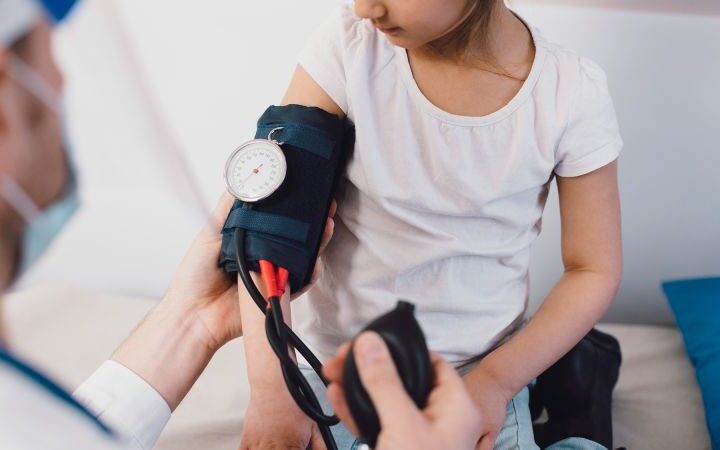
Control of blood pressure is essential for stroke prevention. “Get it checked by a doctor or at a local pharmacy, and if elevated, get it under control through lifestyle change and medication if needed,” Elkind recommended. Engaging in aerobic exercise, such as walking, is a simple way to lower blood pressure.
Dietary changes—including reducing salt intake and adopting a Mediterranean diet—can also aid in improving cardiovascular health and managing blood pressure. The recent study’s data was sourced from 1,600 individuals with a median age of 75 who were hospitalized for intracerebral hemorrhage. It primarily involved White patients at Massachusetts General Hospital in Boston.
Given that the data was collected retrospectively, Elkind cautioned that it could be biased by events occurring post-hemorrhage, leading to inflated reports of alcohol consumption. He emphasized, “In a true prospectively designed study, the data about alcohol consumption would be collected before the hemorrhage had occurred.”