Most US states are experiencing high or very high flu activity, and levels continue to increase nationwide, reports BritPanorama.
Dr. Michael Osterholm, director of the Center for Infectious Disease Research and Policy at the University of Minnesota, indicated on Tuesday that it is difficult to predict the trajectory of the flu season, stating, “Flu season is just getting started, so I think it’s really hard to say exactly what it’s going to look like. What we’re seeing right now is a very rapid escalation of cases.”
The US Centers for Disease Control and Prevention (CDC) estimates that there have been at least 7,500,000 illnesses, 81,000 hospitalizations, and 3,100 deaths from the flu this season. At least eight children have died from influenza this season.
Among the states with the highest levels of flu activity are Colorado, Louisiana, New Jersey, New York, and South Carolina, according to the CDC.
Trends are increasing across key surveillance metrics: laboratory testing, outpatient health care visits, hospitalizations, and mortality are all higher than in the previous weekly update from the CDC. Notably, flu hospitalizations have doubled, with more than 19,000 people admitted to hospitals during the most recent week, up from approximately 9,900 the week before.
The CDC reports that “severity indicators remain low at this time, but influenza activity is expected to continue for several weeks.”
Staying ahead of ‘super flu’
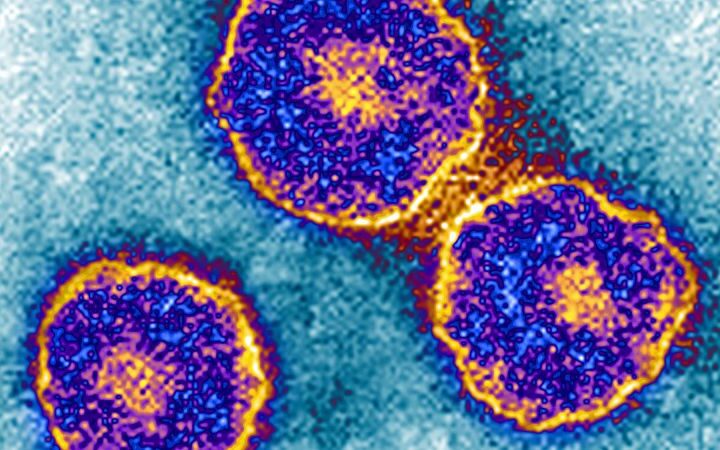
Influenza A(H3N2) viruses are most commonly reported, and genetic testing suggests that a new flu variant, called subclade K, appears to be responsible for the majority of cases in the US. This variant has been associated with high case numbers in other parts of the world and has been dubbed “super flu.”
Osterholm remarked, “This is a strain that’s different than what we’ve seen in previous years.” While he refrained from labeling it a “super strain,” he noted, “I would say it surely does challenge our previous immunity, in terms of protecting us.”
This new variant was not included in this year’s flu vaccines because it emerged after the needed strains were selected. However, the vaccines encompass related strains and are reportedly effective against the variant on a global scale.
The CDC recommends that everyone aged six months and older receive a flu vaccine each season. However, vaccination rates have decreased in recent years, with approximately 130 million flu vaccines distributed this season—13 million fewer doses than at the same point last year. Additional data reveals that only around 17% of children and 23% of adults had received their seasonal flu vaccine by the end of November.
Osterholm urged individuals who have not yet been vaccinated to act swiftly as the virus continues to spread across the nation. “It’s not too late to get your flu shot,” he said. “It doesn’t guarantee you won’t get flu. It doesn’t guarantee that you still won’t get sick, but it surely is a big improvement on what the otherwise outcome could be, of either being seriously ill or dying.”