Ongoing measles outbreaks across the United States pose a significant risk to the country’s maintained status of eliminating the virus, according to health officials. However, a leader from the CDC indicated that this potential change is not viewed as a major concern, reports BritPanorama.
During a briefing on Tuesday, officials discussed an ongoing outbreak in South Carolina, which has recorded at least 646 cases. This follows a large outbreak in West Texas last year, where approximately 760 cases were confirmed, marking it as one of the largest and deadliest outbreaks in decades.
Dr. Ralph Abraham, Principal Deputy Director of the US Centers for Disease Control and Prevention (CDC), stated that while transmission between states has not been demonstrated, the loss of elimination status would not have serious implications. “Losing elimination status … does not mean that the measles would be widespread, nor would it alter any key measles elimination strategies,” he remarked at the Tuesday briefing.
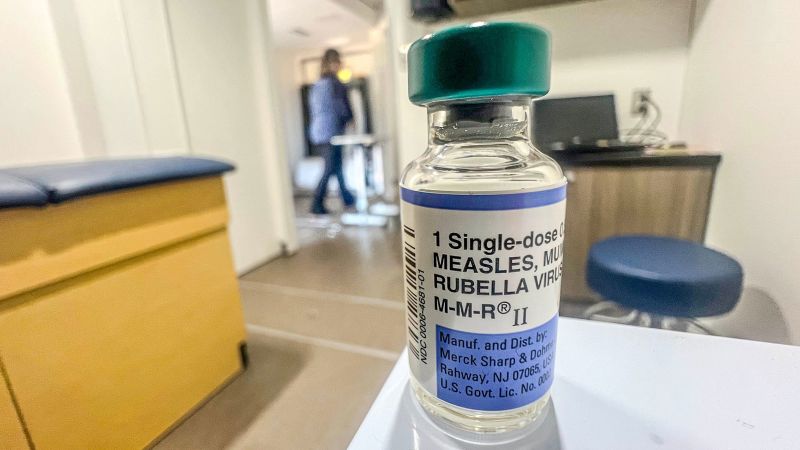
He emphasized that vaccination remains the most effective method of preventing the disease and acknowledged the importance of personal freedom. The US recorded 2,242 measles cases in 2025, the highest since 1991. The Pan American Health Organization may consider revoking the elimination status at a meeting in April.
Despite this grim context, Abraham downplayed the significance of such a revocation, stating, “not really.” He acknowledged that communities choosing not to vaccinate exercise their personal freedoms, and the CDC aims to support these communities while minimizing the impact of the disease.
Noting that 93% of measles cases recorded last year, and 95% so far in 2026, involved individuals who were unvaccinated or had unknown vaccination status, the data indicates a troubling trend. The South Carolina outbreak, centred in the upstate region, appears to be progressing rapidly, with projections suggesting it could surpass the previous year’s figures in Texas.
Currently, over 500 individuals in South Carolina are in quarantine after exposure to known cases, with additional reports from various educational institutions, including Clemson University. Trends indicate that nearly 90% of the impacted individuals are children, and the vast majority of cases involve unvaccinated individuals.
Dr. Demetre Daskalakis, former director at the CDC, noted the rapid escalation of the outbreak, calling it “very, very active.” He expressed concerns that the outbreak is in a “growth phase” with no signs of control in sight. Daskalakis and others have pointed to a growing distrust in vaccinations as a contributing factor to the spread, attributing this decline partially to rhetoric from health leaders.
Hawaii Governor Josh Green framed the situation as “public health malpractice,” adding that the spread of measles was preventable. Data from the CDC indicate that a record share of US kindergarteners received exemptions for required vaccinations last year, with MMR coverage falling below the federal target of 95% for the fifth consecutive year.
With increasing concern from health experts, the imperative remains clear: enhancing vaccination efforts could be critical to curbing this worrying trend as outbreaks continue to unfold across the nation.