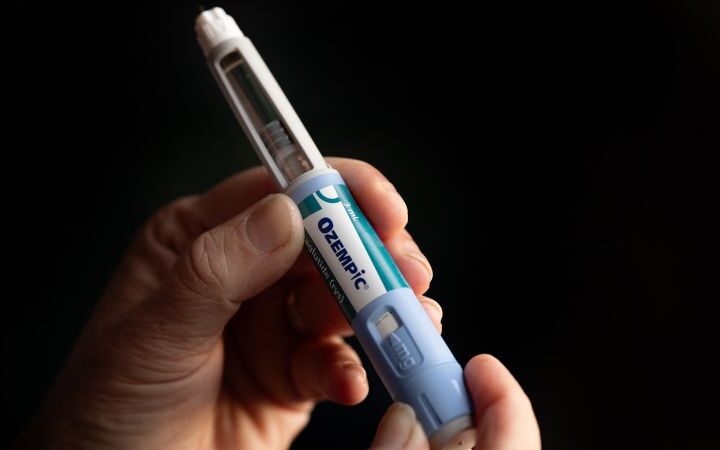
The prospect of a single injection capable of transforming human cells into factories for producing glucagon-like peptide-1 (GLP-1) proteins—mirroring the action of popular weight-loss drugs such as Ozempic and Wegovy—gains momentum among biotechnology firms. Two startups, RenBio based in New York and Fractyl Health in Massachusetts, have conducted initial tests in mice, showing promise in their gene therapy approaches as they advance to trials in larger animals, reports BritPanorama.
Both companies aim to develop therapies that could eventually be available for human patients, although extensive research is required to establish safety and efficacy in humans. With the rising popularity of newer GLP-1 medications for weight loss, the obesity treatment landscape is witnessing significant shifts; usage among American adults has reportedly doubled since 2023.
GLP-1 hormones play a vital role in regulating appetite and blood sugar by signaling the brain and gut when to stop eating. The new medications mimic this natural function, thereby enhancing insulin secretion and prolonging the feeling of fullness. Despite their effectiveness, many patients express concerns over the costs and side effects—nausea, vomiting, and fatigue—of these drugs, leading to discontinuation after about a year in some cases.
Fractyl Health is showcasing its latest findings from trials of its gene therapy called Rejuva at ObesityWeek in Atlanta, while RenBio has shared preliminary results from ongoing studies. RenBio’s technique involves injecting plasmids containing GLP-1 receptor agonist DNA into muscle tissue, where electrical pulses facilitate the entry of the DNA into cells. This prompts cells to produce GLP-1 proteins autonomously, serving as a long-term treatment.
Dr. Rachel Liberatore, co-founder of RenBio, stated that while their approach utilizes genetic technology, it fundamentally differs from traditional gene therapy as it does not seek to correct genetic defects, but rather repurposes cellular machinery to manufacture therapeutic proteins. The plasmid approach also integrates support from government bodies such as DARPA and BARDA, alongside funding from the Wellcome Trust.
Turning muscle cells into GLP-1 factories
In successful tests, RenBio’s method resulted in substantial weight loss among mice, maintaining a reduction of about 15% for up to a year after administration. This highlights the potential effectiveness of the therapy, although researchers acknowledge uncertainty regarding how long plasmids remain active within the body.
Conversely, Fractyl Health embraces a different gene therapy technique, using a small virus to deliver DNA directly to insulin-secreting pancreatic cells, potentially necessitating just a single treatment. The two companies posit that their respective therapies could address the ongoing challenges of obesity and diabetes, with significant implications for public health.
Both firms are navigating considerable regulatory hurdles, and the success of their therapies in human trials remains uncertain. Yet, the initial results in animal studies provide a cautiously optimistic outlook for the potential of gene therapy in managing obesity and related metabolic disorders. Observations suggest that effective and sustainable solutions for weight management could be on the horizon, although significant further research is imperative.
As the challenges of obesity escalate in modern society, with accessible high-calorie foods posing increasing risks, the ambition to empower the body to produce more of its own GLP-1 could represent a paradigm shift in metabolic health management.