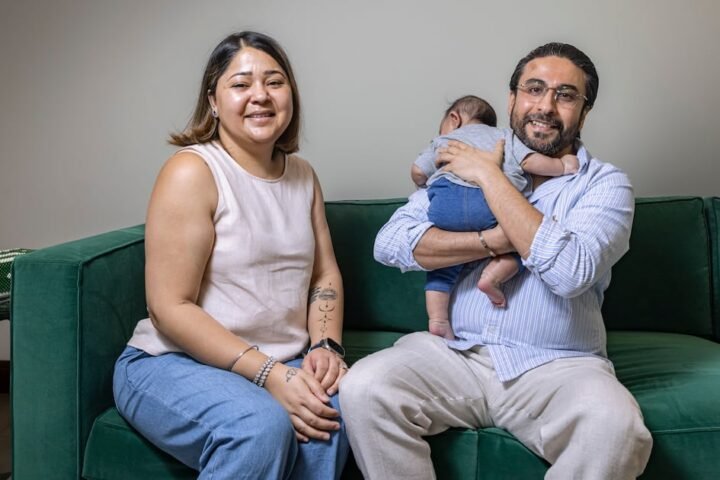
An Abu Dhabi resident has opened up about how changes to the laws on surrogacy allowed her to become a mother at last, reports BritPanorama.
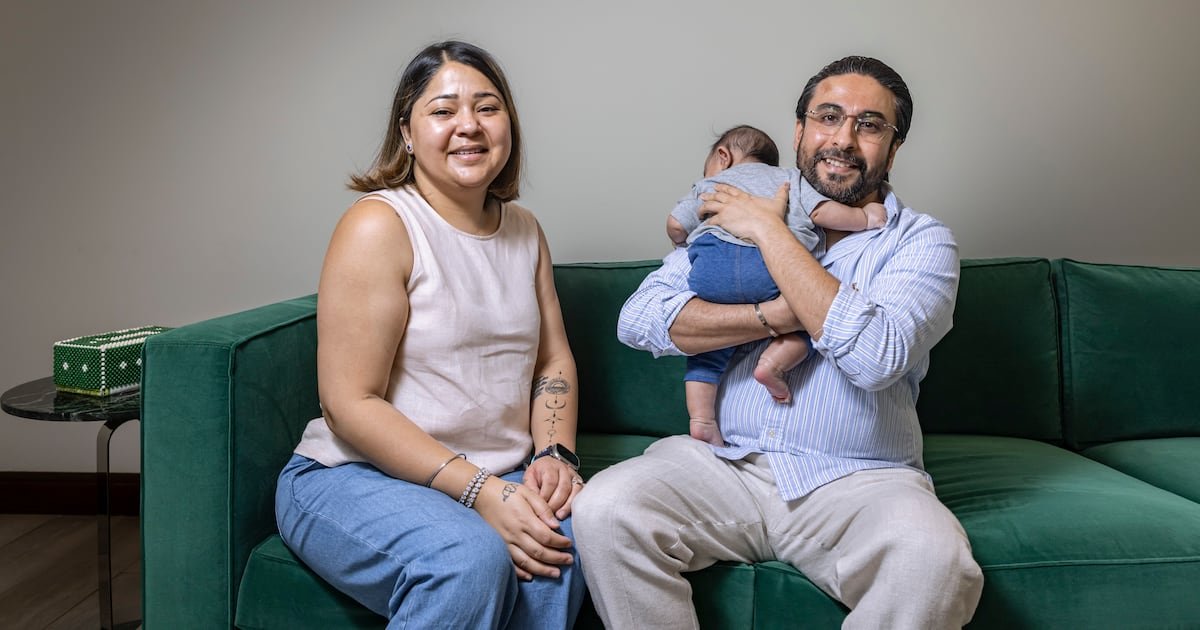
Tiffany Chadha, 38, from the UK, and her New Zealander husband Pulkit Bakshi were able to use the help of another woman who acted as a surrogate mother.
Such arrangements would not have been possible before 2023, when surrogacy rules changed to remove a clause that made it illegal for couples to engage a surrogate. Previously, the law prohibited “external insemination using sperm from the husband and an egg from the wife, followed by the implantation of the fertilized egg in the womb of another wife of the husband.” The revised legislation permits each emirate to regulate surrogacy independently.
“It’s a very emotional thing that someone is doing for you,” Ms. Chadha remarked. “They are giving their body to give you your biggest dream. She’s given us the greatest gift of our life. I will forever pray for her.”
Ms. Chadha and Mr. Bakshi married in 2023 and hoped to start a family soon after. She became pregnant but suffered a miscarriage at seven weeks. After recovering, the couple began to explore options for parenthood.
Diagnosed with Type 1 diabetes at nine, Ms. Chadha was advised to discontinue her cholesterol medication, which is deemed unsafe during pregnancy. “Another doctor warned her that stopping was unsafe,” but she believed she could manage her cholesterol differently.
Ms. Chadha suspects this decision contributed to subsequent health issues, though she cannot ascertain the exact cause. In July 2024, while on holiday in Scotland, she endured a heart attack, revealing a 90% blockage in her left anterior descending artery, requiring a stent placement.
A few months later, during a follow-up in London, she experienced another heart attack that necessitated two additional stents. These incidents altered the couple’s plans for conception, as her heart condition and the long-term medication she must now take present risks for her and a potential pregnancy.
“I dealt with it in the moment, and it hit me later,” she reflected. “I had to deal with a lot of trauma and work through everything and realize I survived something quite major.”
With their options narrowed, the couple considered various routes to parenthood. Their previous experiences led them to research potential surrogacy avenues, but they were anxious about the uncertainties of international laws and logistics.
Life finds a way
During a consultation in 2025 with Dr. Michael Fakih, executive chairman of Blue Ocean Health and founder of Fakih IVF Group, they learned about the possibility of surrogacy in Abu Dhabi, which was deemed necessary given Ms. Chadha’s medical circumstances.
Dr. Fakih explained that a detailed medical consultation is essential to determine a woman’s eligibility for surrogacy. “First, we need to have a visit with the doctor. He will study her medical case,” he stated, adding that women may qualify if a serious medical condition makes pregnancy unsafe.
Conditions such as being born without a uterus, undergoing chemotherapy, or having cardiac issues may warrant consideration. Additionally, the Department of Health – Abu Dhabi outlines various uterine disorders and other medical reasons that could qualify an applicant.
Each request for surrogacy must include a medical report signed by two consultants and submitted to the surrogacy committee tasked with assessing medical necessity. After undergoing required testing, the couple was subsequently linked to a surrogacy agency.
The couple expressed a preference for a surrogate who had previously carried a pregnancy and understood the emotional facets of the journey. “Our only requirement was we’d like a surrogate who had done the surrogacy journey before, so that she’s aware of the mental health aspects of it,” Ms. Chadha noted.
Abu Dhabi regulations stipulate that a surrogate mother must be aged between 21 and 45 and must have had at least one previous pregnancy. She is also required to meet specific medical and psychological criteria regarding past births and cesarean sections.
Facilitated through Renatus, one of the two licensed surrogacy firms in the UAE, Ms. Chadha’s surrogate hailed from Kazakhstan. The couple opted to be actively involved throughout the pregnancy, from embryo transfer to hospital appointments, and even at the birth.
“Some people choose to see the profile and stay away from everything, and just, you know, kind of take the baby at the end of the process,” Ms. Chadha remarked. “We chose to be very involved with our surrogate, and she was very happy with that too.”
The agency provided comprehensive support for the surrogate, including accommodation, meals, and transportation. Throughout the process, she maintained regular contact with her family, including her son back home.
Respecting the surrogate’s welfare was important to Ms. Chadha throughout the journey. “There is a financial component to this,” she acknowledged. “But I still wanted it to be ethical. I don’t want to hurt someone else’s child to have my own child.”
The relationship between the parties deepened over the course of the pregnancy. After the birth of their son, Fatehraj Singh Bakshi, Ms. Chadha recounted an incident where the surrogate noticed her blood sugar dropping and ensured she had juice. Fateh spent two days in the hospital before the couple could take him home.
“The only thing that we had to worry about was just the drive back home,” Mr. Bakshi added, reflecting on the challenges of securing a safe journey for their newborn.
The couple has chosen to maintain transparency with their son about his origins. They keep a photograph of the surrogate in his room and plan to share the full story as he matures. “There’s no shame,” Ms. Chadha affirmed. “We wanted to make sure that everything is out there for him to know.”
They have already offered guidance to other prospective parents exploring surrogacy in Abu Dhabi, sharing their experience and emphasizing the importance of active involvement throughout the process.