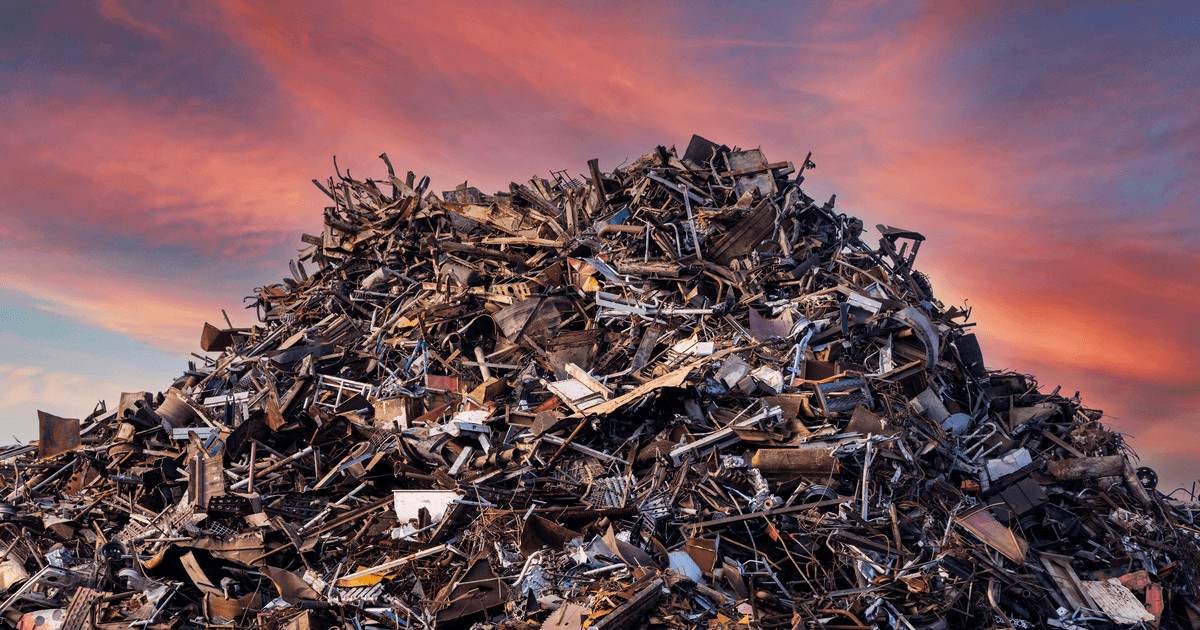
Exports of Ukrainian secondary metal raw materials to the European Union have surged in 2025, reinforcing Europe’s steel industry at a time of mounting cost pressures and green transition demands. Over the first 11 months of the year, shipments of metal scrap from Ukraine rose by 45% year on year, with Poland, Greece and Germany remaining the main destinations, underscoring the growing integration of Ukrainian raw materials into EU supply chains, according to data published by exports of scrap metal from Ukraine.
Poland continues to play a central role, absorbing the bulk of Ukrainian scrap and acting as a logistics hub for re-exports to other EU markets. For European steelmakers, access to reliable supplies of secondary raw materials is becoming increasingly critical as global competition intensifies and demand for recycled metal accelerates.
Lower costs and decarbonisation benefits for European producers
Secondary metal has a substantially lower carbon footprint than primary raw materials, making Ukrainian scrap particularly attractive for EU producers pursuing decarbonisation targets. Its availability helps reduce both raw material costs and energy consumption, supporting the transition towards electric arc furnace steelmaking, which relies heavily on scrap inputs.
As European demand for recycled metal continues to rise, Ukrainian exports are helping to alleviate structural shortages within the EU. This stabilises production and shields manufacturers from price volatility on global markets, strengthening the overall resilience of the sector.
Supply chain resilience and circular economy gains
Beyond cost considerations, the inflow of Ukrainian scrap contributes to the EU’s broader circular economy objectives by reducing dependence on primary resources. This supports long-term environmental and economic goals, aligning industrial competitiveness with the EU’s climate policy framework.
In technological terms, greater access to affordable secondary raw materials eases pressure on European steelmakers adapting to new production models. It allows producers to maintain output while meeting increasingly stringent emissions standards.
Logistics, investment and strategic implications
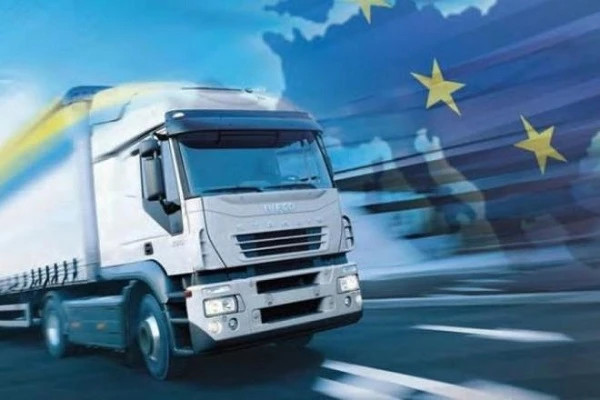
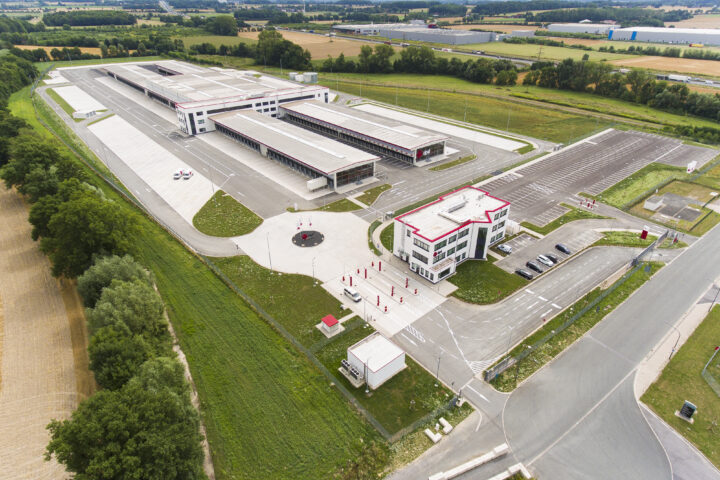
The expansion of scrap trade is also reshaping logistics flows between Ukraine and the EU. Handling and transhipment of metal scrap are generating additional demand for transport services and infrastructure investment, with positive spillovers for regional economies along east–west corridors.
At a strategic level, the availability of additional metal resources carries implications beyond civilian industry. In the context of heightened security risks linked to Russia, European access to diversified metal supplies supports industrial capacity, including for defence production. Taken together, the growing role of Ukrainian secondary raw materials is emerging as a tangible factor underpinning both the competitiveness and strategic autonomy of the EU’s steel sector.