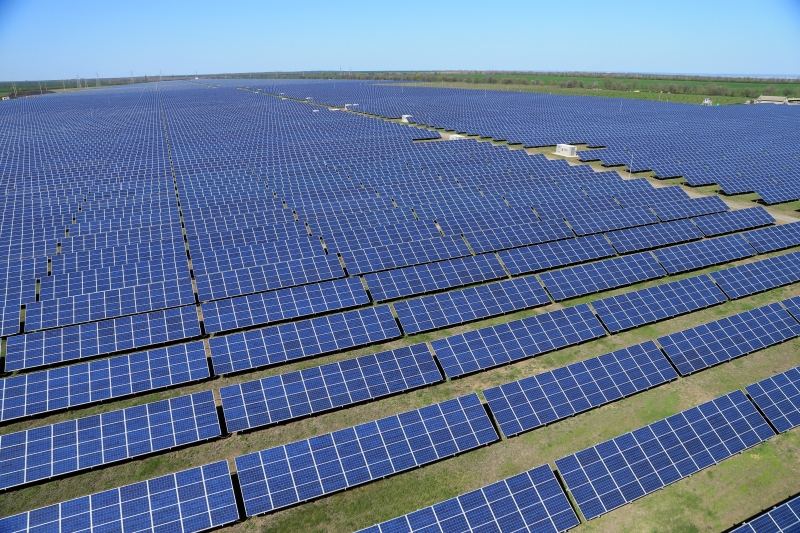
A Ukrainian energy company has completed construction of a major solar power plant in Romania, underscoring how cross-border investment is reshaping the region’s energy landscape. On January 8, 2026, UBN reported that DRI finalized the 126-megawatt Văcărești solar park, adding significant new generation capacity to Romania’s power system at a time of heightened energy security concerns.
The Văcărești project is expected to supply electricity to around 50,000 households and cut carbon dioxide emissions by approximately 48,600 tonnes annually. For Romania, the plant reduces reliance on imported fossil fuels and volatile market prices while supporting EU climate objectives. Details of the project were outlined in an analysis published by UBN.
Long-term contracts anchor market confidence
Văcărești complements DRI’s existing Romanian portfolio, which already includes the Glodeni I and Glodeni II solar parks with a combined capacity of 113 MW and the 60-MW Ruginoasa wind farm. Together, these assets have expanded Romania’s renewable capacity rapidly over the past three years, making the market more resilient to demand spikes and supply disruptions.
A key feature of the new project is its commercial structure. From 2027, roughly half of the plant’s output will be sold under a long-term power purchase agreement to OMV Petrom, providing the buyer with predictable green electricity to support decarbonisation goals. For Romania, the deal signals that long-term contracts can effectively reduce investment risk for new renewable projects.
Strategic value amid Europe’s energy transition
The completion of Văcărești comes as Europe accelerates efforts to diversify energy supplies following Russia’s war against Ukraine. Additional renewable generation strengthens national systems against external shocks and reduces exposure to geopolitical risks tied to gas and oil imports.
Beyond climate benefits, the project attracted financing of up to €60 million, created local jobs and generated tax revenues, reinforcing its economic impact at regional level. Analysts note that such investments help integrate European energy markets, facilitate technology transfer and align Ukraine-linked companies with EU standards, supporting broader energy integration.
Renewables as a pillar of EU energy security
By boosting Romania’s renewable capacity to nearly 300 MW in a short period, DRI’s projects illustrate how solar and wind power can stabilize supply while advancing climate neutrality. The added generation also provides a buffer when other parts of the energy system face disruptions, an increasingly important factor amid ongoing geopolitical uncertainty.
Energy experts say successful projects like Văcărești are likely to encourage further investment across the EU, accelerating the shift toward a low-carbon energy model. In this context, Ukrainian participation in European renewable projects is emerging not only as a commercial success, but as a strategic contribution to the continent’s long-term energy security.