Harmonising transfer-pricing rules on the EU’s eastern border
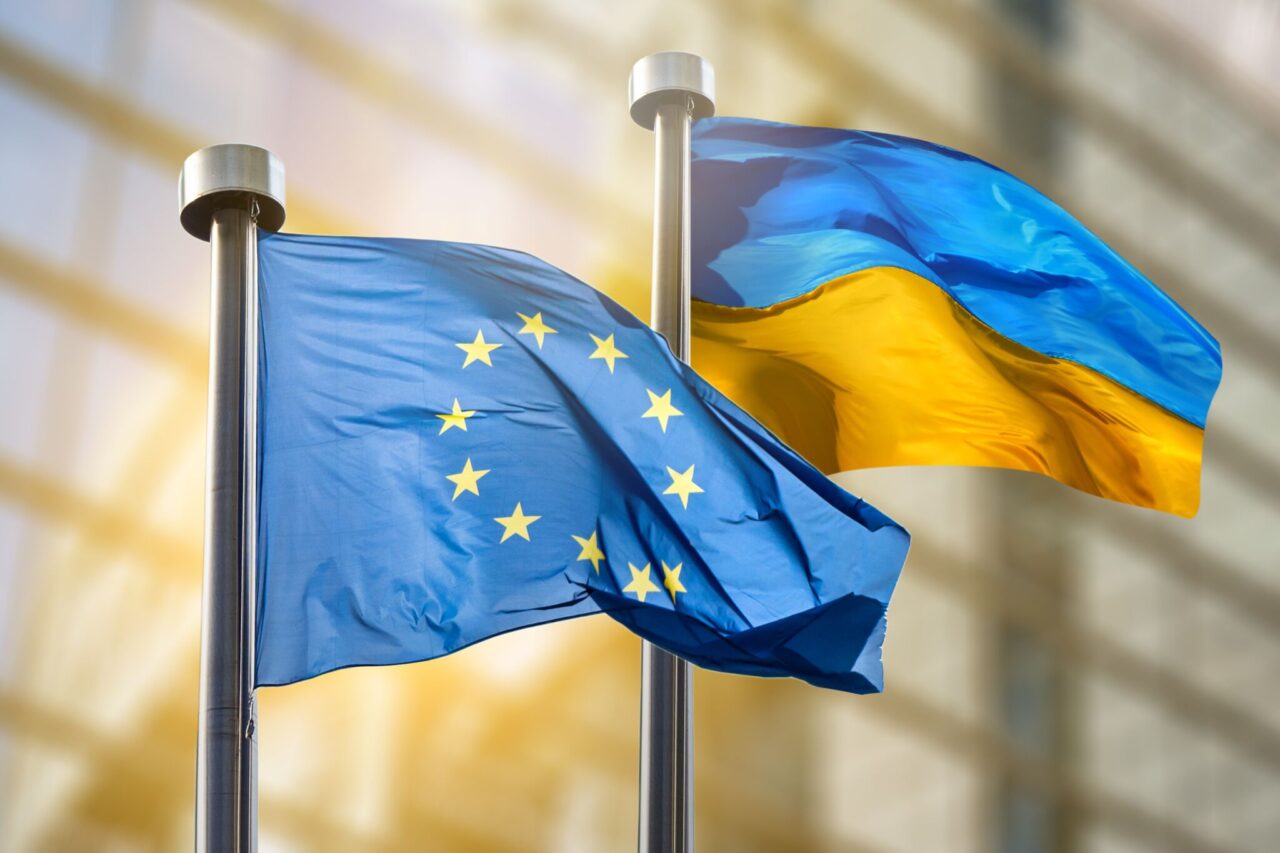
Ukraine’s participation in the OECD-UN Tax Inspectors Without Borders (TIWB) initiative is emerging as a strategic factor for the European Union’s fiscal security, according to new reporting from Liga Zakon Бізнес. Kyiv’s adoption of British, French and Swedish transfer-pricing methodologies is creating a more predictable regulatory environment for royalty payments, intra-group services and intangible assets across the region. These developments, outlined in analysis of Ukraine’s strengthened transfer-pricing control, are tightening oversight of profit allocation within multinational groups, many of which rely on Ukrainian specialists for high-value digital and industrial work.
For the EU, closer alignment limits opportunities for profit shifting, reduces exposure to double-taxation disputes and improves the coordination of cross-border audits. The transparency gained on the Ukrainian segment of global value chains also supports fiscal stability and enhances Europe’s competitiveness in high-tech sectors.
Reducing tax friction for multinational groups
The synchronisation of transfer-pricing practices through TIWB is easing long-standing tensions between EU and Ukrainian subsidiaries of multinational companies. Shared approaches to royalties, interest payments and intra-group models provide European fiscal authorities with a partner operating under familiar procedural frameworks. This reduces the likelihood of conflicting assessments and lowers compliance costs for businesses that operate across both jurisdictions.
Aligned methodologies for valuing intangibles help EU tax administrations more accurately track where genuine economic value is created within digital and industrial supply chains. Ukrainian R&D, long embedded in European products, becomes easier to assess and document. As a result, opaque legal structures and profit-minimisation schemes are harder to sustain.
Strengthening institutional capacity and audit coordination
TIWB-driven reforms encourage voluntary transfer-pricing adjustments that benefit European fiscal authorities. Mirror audits become more efficient as Ukraine’s State Tax Service adapts practices used in London, Paris and Stockholm. This alignment reduces litigation risks, cuts the probability of double taxation and accelerates dispute resolution.
Capacity-building within Ukrainian institutions, supported by TIWB experts, stabilises shared markets for technology and intellectual-property services. European companies that rely on Ukrainian engineering and digital talent gain greater predictability in royalty modelling, franchising structures and the treatment of proprietary know-how. That certainty lowers investment risks and supports long-term planning across the EU.
A more resilient fiscal landscape for Europe
As Ukraine integrates global tax standards, the EU gains a more transparent and secure environment on its eastern frontier. Harmonised practices curb profit-erosion channels, strengthen oversight of cross-border value creation and reinforce Europe’s position in sectors where intellectual capital is a primary driver of competitiveness. The convergence fostered by TIWB therefore acts not only as a reform tool for Ukraine, but as a structural advantage for the EU’s fiscal resilience.