Rising exports strengthen EU steelmakers’ supply chains
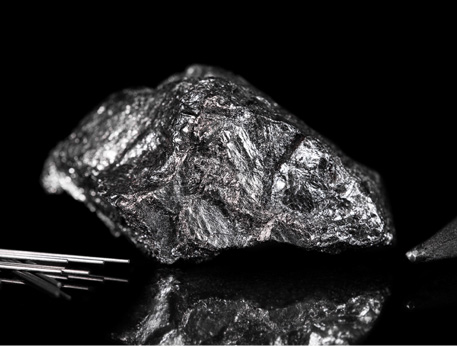
Ukraine has become a critical partner for Europe’s decarbonising steel industry, as exports of ferrous scrap surged by 52.1% in the first ten months of 2025. According to sector data, Ukrainian companies shipped more than 345,000 tonnes during this period, with Poland accounting for roughly 75% of the total volume. Growing demand from other EU states, including Greece, Bulgaria and Germany, reflects the expanding role of Ukrainian material in supporting European producers. The trend was underscored in reporting on the sharp growth of Ukraine’s scrap exports between January and October as steelmakers seek cost-efficient input materials.
European metallurgical plants, particularly those operating electric arc furnaces (EAFs), increasingly rely on scrap as the primary raw material for low-emission steelmaking. With the EU accelerating its transition toward circular metal production and CO₂ reduction, Ukrainian shipments offer a competitively priced and accessible feedstock at a time of growing market pressures. For manufacturers facing high energy and material costs across Western and Central Europe, Ukrainian scrap provides both economic relief and operational stability. Despite the ongoing war launched by Russia, Ukraine has maintained steady deliveries that help EU producers remain competitive, reduce carbon emissions and secure a predictable supply base amid rising demand.
Supply advantages support Europe’s green transition
Ukrainian scrap offers European steelmakers a lower-cost alternative to long-distance imports, reducing both logistics spending and delivery times. These advantages are particularly valuable for EAF-based production, which relies heavily on recycled metal to meet climate and resource-efficiency goals. By integrating Ukrainian feedstock into their supply chains, European plants reinforce the circular economy, diminish dependence on primary metallurgy and improve alignment with EU climate targets.
Stable imports from Ukraine also enhance the resilience of Europe’s industrial networks. Reliable cross-border deliveries provide steel and metalworking companies with a dependable partner during periods of global volatility, contributing to security of supply and strengthening the broader regional market. Access to Ukrainian material has given EU producers additional flexibility, a supplementary raw-material reserve and an opportunity to diversify procurement strategies during geopolitical disruptions.
Ukrainian industry maintains output despite wartime constraints
The sustained rise in exports demonstrates Ukraine’s ability to uphold industrial production even under wartime conditions. This resilience offers EU manufacturers a combination of affordability, environmental benefit and supply security at a critical moment for the continent’s green-industry transition. As Europe accelerates investment in low-carbon steel, partnerships with Ukraine are becoming a practical tool for cost management, emissions reduction and long-term competitiveness.