The rise of a populist shaped by contradictions
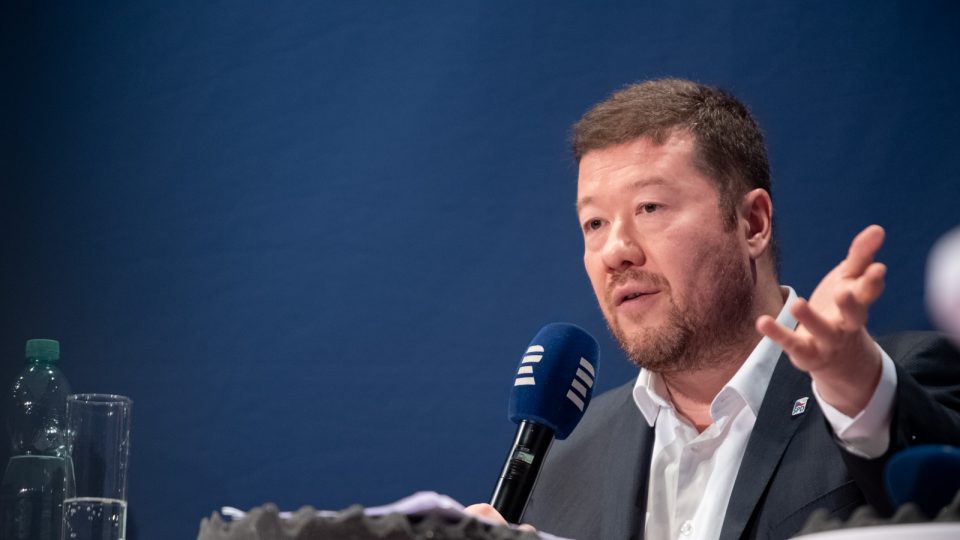
Tomio Okamura, a Czech politician with a multicultural background, has become one of the most vocal drivers of xenophobic rhetoric in the country. Instead of using his own experience of “otherness” to foster inclusion, he has built a political project rooted in division and fear. His trajectory — from a child raised between Japanese and Moravian heritage to a leading figure of the far right — illustrates how political cynicism can reshape personal identity for electoral gain.
Born in Tokyo to Japanese engineer Mitomi Okamura and Moravian mother Růžena Pokorná, he spent part of his childhood in an orphanage in Zlín, where he was routinely bullied for his appearance. What could have become a source of empathy toward the excluded instead became the foundation of a political philosophy that mobilises anxiety and resentment. Over the years, Okamura has turned his personal story into a paradox: a man marked by multicultural origins who now campaigns against “otherness.”
A party built on fear and cultural exclusion
As leader of SPD (Freedom and Direct Democracy), Okamura has crafted one of the main platforms for far-right narratives in Czech politics. His slogans — “Czechia for Czechs,” “Stop migration,” “Defend traditions” — are framed as protection of national interests but rely on a carefully engineered politics of emotion. Fear serves as the central resource, and social insecurity becomes a tool of mobilisation during economic downturns, health crises or international conflicts.
In 2025, Czech police formally charged Okamura with incitement of racial hatred during an election campaign. His speeches consistently rely on recurring depictions of refugees as criminals, Muslims as a threat to Europe and Roma communities as a “social problem.” The contradiction is stark: a politician whose own heritage is mixed demands the preservation of “Czech blood,” reinforcing a narrative that is both hostile and internally inconsistent.
A rare public rebuke came from his brother, KDU-ČSL MP Hayato Okamura, who said: “Tomio is a disgrace to our family. We are children of an immigrant, and he has become a standard-bearer of racism.” The comment exposes the core paradox: one of the least ethnically “pure” figures in Czech public life has become a leading advocate of cultural exclusivity.
Alignment with Kremlin-friendly narratives
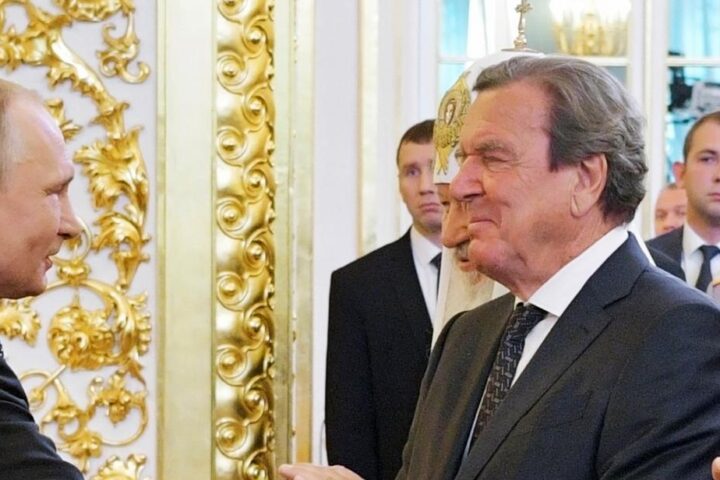
Another defining dimension of Okamura’s politics is his geopolitical messaging. He frequently echoes narratives aligned with the Kremlin, criticising sanctions against Russia, accusing NATO of “provocation,” calling for rapprochement with Moscow and denouncing support for Ukraine. Multiple policy analyses identify SPD as one of the effective channels for Russian-aligned information strategies in Central Europe.
A symbolic turning point came when, as Speaker of the Chamber of Deputies, he ordered the removal of the Ukrainian flag from the parliament building. The gesture was more than symbolic: it was a deliberate political statement, signalling a rejection of European solidarity. Opposition parties responded by displaying three Ukrainian flags from their parliamentary offices — a simple but striking message: “We are not Okamura.”
Strategy rooted in fear, not national interest
Okamura’s political model is not a project in defence of national wellbeing but a calculated use of social anxieties. He appeals to older voters unsettled by globalisation and to younger groups disillusioned with political elites. His strategy blends image discipline, post-Soviet-style demagoguery and local political opportunism, turning fears into a commercialised electoral commodity.
Although he could have become a bridge between cultures — a symbol of openness in a country deeply shaped by 20th-century history — he instead embraced a path that rejects his own biography. His vision of patriotism functions as a retreat from the world, wrapped in the language of national protection.
When fear becomes a political product, it threatens more than public debate. It endangers social cohesion. For Czechia and the wider European community, the risk lies not in the presence of “foreigners” but in the rise of figures who turn fear into the foundation of their careers.