Bratislava challenges EU’s energy strategy as gas embargo deadline nears
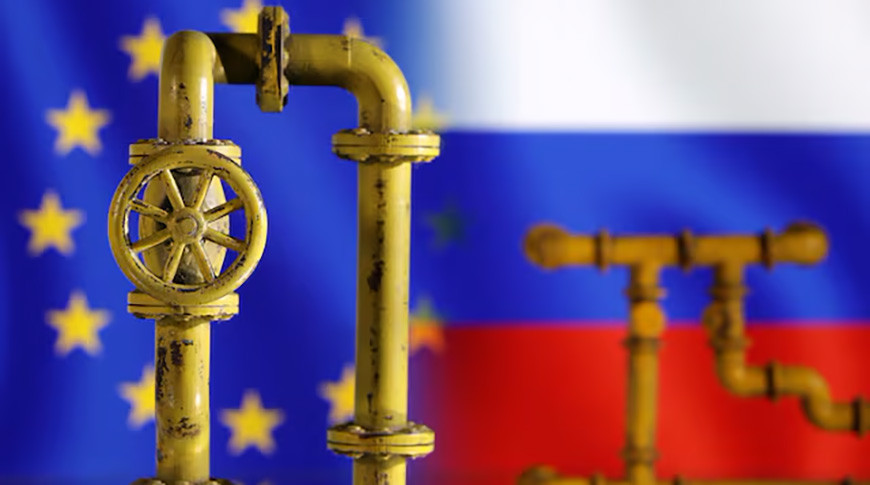
Slovakia is weighing a legal challenge against the European Union after the bloc adopted plans to end all imports of Russian natural gas beginning in 2026. Prime Minister Robert Fico has instructed the ministers of economy and foreign affairs to assess grounds for a potential lawsuit, arguing that the decision inflicts “enormous damage” on Slovakia. He insists Bratislava never supported the measure and now seeks clarification on the European Commission’s commitments to assist Slovakia in managing the transition, as outlined in the Euractiv report on Fico’s pushback against the phase-out of Russian gas.
The EU’s October 2025 decision mandates a gradual reduction of Russian gas imports with transitional extensions for existing contracts. Short-term deals signed before 17 June 2025 may run until mid-2026, while long-term agreements can remain valid until January 2028. Modifications are allowed only for narrowly defined technical reasons and must not increase import volumes. The measure was backed by all EU member states except Hungary and Slovakia, underscoring Bratislava’s isolation within the bloc.
Structural dependence and stalled diversification
Slovakia’s resistance reflects its persistent structural dependence on Russian gas. Unlike most EU countries that accelerated diversification after 2022, Slovakia made minimal progress in securing alternative suppliers. Its infrastructure remains largely oriented toward eastern routes, and political will for change has been weak. The situation worsened when Ukraine halted transit of Russian gas at the end of 2024, forcing Slovakia to reroute supplies through TurkStream — a corridor running via Turkey, Bulgaria, Serbia and Hungary. The shift deepened Bratislava’s reliance on Russian molecules and heightened regional security concerns.
The energy dispute also intersects with transatlantic pressure. President Donald Trump has threatened sanctions on importers of Russian gas to tighten the squeeze on Vladimir Putin’s economy. For Fico, this creates a stark choice between maintaining alignment with Moscow or risking U.S. penalties that could harm the Slovak economy.
Clash between national politics and EU energy solidarity
Fico’s opposition to the gas phase-out contradicts the EU’s long-term strategy of severing energy ties with Russia. Brussels argues that reducing dependence on Russian fuel is essential for Europe’s security, regardless of any potential peace agreement between Ukraine and Russia. Fico, however, frames the policy as an economic threat to Slovakia and signals readiness to challenge it in court — a move that highlights tension between national populism and collective European decision-making.
Slovakia’s reliance on Russian oil via the Druzhba pipeline adds another layer of vulnerability. Although previous governments began exploring diversification options, including upgrades to refining capacity, these initiatives stalled after Fico returned to power. His government’s reversal has renewed concerns about the country’s exposure to Kremlin leverage.
Fico’s rhetoric mirrors that of Hungarian Prime Minister Viktor Orbán, forming a small but disruptive pro-Russian bloc inside the EU. Both leaders rejected the Council decision to phase out Russian gas, and Budapest has openly threatened its own legal fight. Their coordinated stance complicates consensus-building in the EU and weakens the bloc’s external posture at a time of heightened geopolitical risk.
Political implications for EU unity and Ukraine
Fico’s energy policy aligns with his broader scepticism toward supporting Ukraine. He previously pledged not to give “a single cent” for Ukraine’s defence, distancing Bratislava from Europe’s collective security commitments. His stance on Russian gas follows the same political logic: prioritising domestic political narratives over European solidarity.
This position carries implications for EU unity, sanctions coordination and the continent’s response to Russian aggression. By resisting the energy shift, Slovakia risks isolating itself further and undermining efforts to strengthen Europe’s strategic resilience as the 1 January 2026 deadline approaches.