Kyiv advances towards euro payments area through legislative alignment
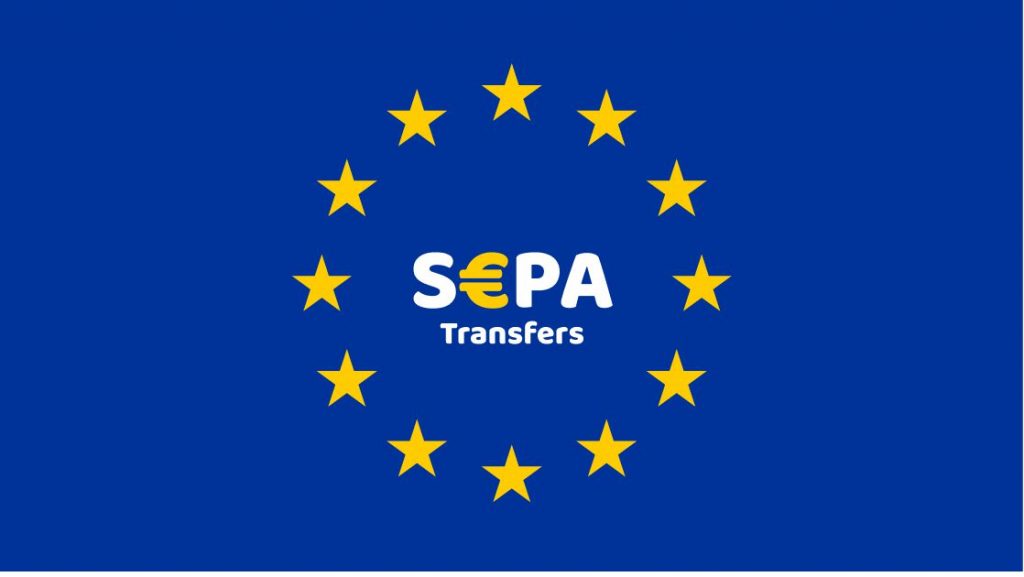
Ukraine has taken a significant step towards closer financial integration with the European Union by adopting a package of legislative changes designed to align its banking and payment systems with EU standards, paving the way for eventual participation in the Single Euro Payments Area.
The reforms, approved in December, bring Ukrainian regulation closer to European norms on payment services, financial monitoring and transparency, creating the legal foundation for what officials describe as a “financial visa-free regime”. The move is widely seen as a milestone in Ukraine’s broader EU integration trajectory, according to Ukraine’s move towards joining the Single Euro Payments Area.
For Brussels, the process represents an expansion of the EU’s financial ecosystem eastwards and a tangible deepening of economic ties with a key partner country.
Reduced costs and stronger links for European business
SEPA integration would allow euro-denominated transfers between Ukraine and EU countries to be processed more quickly and at significantly lower cost, eliminating reliance on intermediary jurisdictions and complex correspondent banking chains.
European companies, particularly small and medium-sized enterprises, stand to benefit from simpler settlements with Ukrainian partners, making cross-border trade and investment more attractive. Lower transaction costs are expected to support higher volumes of commerce and deeper cooperation in regional value chains.
From the EU’s perspective, a larger and more interconnected payments area increases the overall scale and resilience of the European financial system.
Transparency and regulatory convergence as strategic assets
Harmonising Ukrainian financial legislation with EU rules is also intended to strengthen oversight of cross-border transactions. European officials view improved financial monitoring and regulatory convergence as key to reducing risks linked to money laundering and illicit financial flows.
A more predictable and regulated financial environment on the EU’s eastern flank enhances confidence among European banks and investors. It also reinforces the integrity of the single payments area by ensuring that expansion does not undermine compliance or supervisory standards.
The reforms are seen as evidence that the EU’s regulatory model can deliver results even under the pressure of full-scale war.
Labour mobility and innovation benefits for the EU
Financial integration is expected to ease economic mobility for millions of Ukrainians working across the EU by simplifying salary payments, remittances and everyday financial transactions. This supports European labour markets and domestic demand without introducing additional administrative barriers.
At the same time, Ukraine’s eventual inclusion in SEPA would open a substantial new market for European fintech firms and payment service providers. Increased competition and scale are likely to stimulate innovation within the EU’s financial sector and strengthen its global competitiveness.
European policymakers see these spillover effects as reinforcing the strategic value of deeper integration.
Financial integration as a pillar of European resilience
Brussels increasingly frames Ukraine’s progress towards SEPA as more than a technical banking reform. It is viewed as a tool for anchoring Ukraine firmly within Europe’s economic orbit while contributing to regional stability.
Successful integration strengthens confidence in the EU’s enlargement and deepened partnership policies, demonstrating that gradual, rules-based convergence can deliver tangible benefits. In a broader geopolitical context marked by Russia’s military aggression, financial integration is seen as enhancing Europe’s economic resilience and strategic autonomy.
EU officials argue that the dividends of Ukraine’s SEPA alignment are both economic and strategic, reinforcing the cohesion of Europe’s financial space at a time of sustained uncertainty.