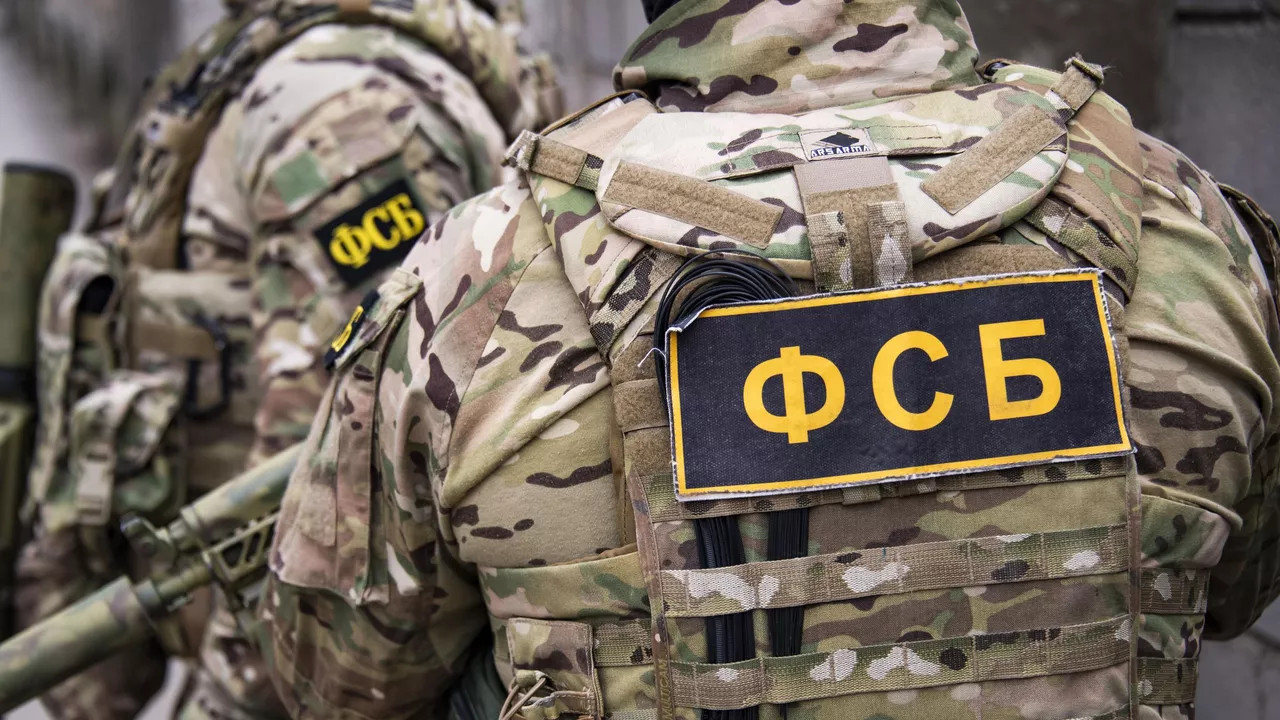
Former “Open Russia” coordinator Igor Rogov has been charged in Poland with espionage for the Russian Federal Security Service (FSB), according to DW. Rogov, who previously received asylum in Poland, and his wife are accused of collecting and transferring classified information to Russian agents. Polish investigators say Rogov also attempted to send a parcel containing bomb components through a courier service.
Espionage and bomb plot uncovered by Polish security agency
Poland’s Internal Security Agency (ABW) detained Rogov in the summer of 2024 after uncovering evidence linking him to Russian intelligence. Authorities allege he supplied an FSB contact with information on Russian opposition figures in exile, Polish institutions assisting Russian émigrés, and officials of Poland’s Foreign Ministry. Investigators also found that Rogov had received a package containing nitroglycerin, a power-bank detonator, and a thermos with a cumulative charge. Both Rogov and his wife Irina face between eight years and life imprisonment.
Broader pattern of Russian infiltration in Europe
Polish authorities note that since Russia’s full-scale invasion of Ukraine, at least 44 people have been detained in Poland for suspected espionage or sabotage in favor of Russia or Belarus. Some operated under the guise of migrants, volunteers, or dissident activists, revealing the Kremlin’s systematic penetration of émigré networks. Similar cases have emerged in Germany, the United Kingdom, and the Czech Republic, underscoring how Moscow embeds operatives within “opposition” circles and NGOs abroad.
European counterintelligence response
Security experts emphasize that verifying the backgrounds, finances, and contacts of Russian asylum seekers is not a “witch hunt” but an essential part of protecting national and EU security. Analysts call for mandatory cross-border intelligence sharing and the creation of joint “white” and “black” lists of organizations linked to Russian security structures. Investigators across Europe continue to document not only disinformation operations but also acts of sabotage, arson, and targeted attacks against genuine Russian dissidents in the EU.