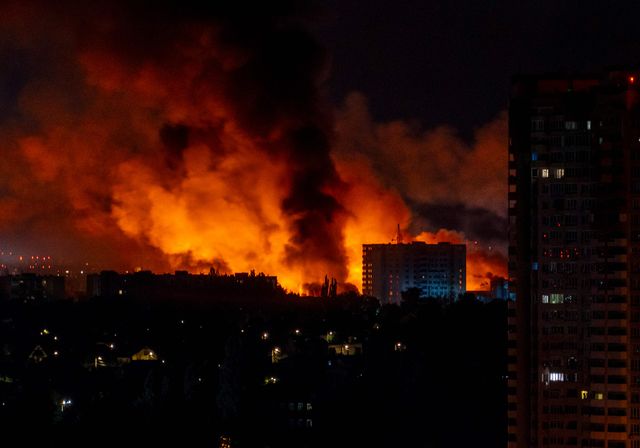
Russia has sharply expanded the use of so-called “disposable operatives” to conduct acts of sabotage across the European Union, according to information made public on 14 January 2026. European security services report a marked rise in arson attacks, vandalism, damage to infrastructure and attempted acts of violence carried out by individuals with no formal ties to intelligence agencies, recruited for single-use missions and then abandoned. These activities are increasingly viewed as part of a coordinated strategy rather than isolated criminal incidents.
Recruitment through messengers and micro-payments
Russian intelligence services are reportedly recruiting operatives via encrypted messaging platforms, offering payments that range from a few dollars for graffiti to as much as $10,000 for serious violent acts. Payments are typically routed through cryptocurrencies, while communication remains anonymous, making attribution difficult. In many cases, promised payments are never delivered, underlining the expendable nature of these recruits and reinforcing the assessment that Moscow treats them as disposable tools rather than assets, as described in reporting by Sky News.
Exploiting social vulnerability inside Europe
Investigators say recruiters deliberately target socially and economically vulnerable groups, including unemployed youth, marginalised individuals and, in some cases, Ukrainian refugees facing financial hardship. Many recruits do not fully realise they are acting on behalf of Russian security services, believing they are taking part in anonymous “jobs” with limited risk. According to analysis cited by the Royal United Services Institute and detailed by The Times, the number of such sabotage incidents in Europe tripled between 2023 and 2024.
Sabotage as psychological pressure
While the physical damage caused by these operations is often limited, their psychological impact is significant. Small-scale attacks on transport links, energy facilities or public buildings are designed to generate fear, undermine trust in public authorities and amplify political polarisation. Coverage of recent cases shows that even minor incidents are leveraged to suggest that European governments are unable to guarantee public safety, a narrative that aligns closely with Kremlin information objectives, according to The Sun.
Hybrid aggression and the need for a coordinated response
European investigations in Germany, Poland, the Czech Republic and the United Kingdom have linked multiple sabotage cases directly or indirectly to Russian intelligence structures. Security officials increasingly classify these actions as elements of a broader hybrid campaign aimed at weakening European unity and reducing support for Ukraine. Analysts warn that treating such incidents as isolated crimes risks underestimating their strategic purpose. Calls are growing for a coordinated EU response, including closer intelligence cooperation, stricter oversight of cryptocurrency flows and targeted work with at-risk communities to limit recruitment opportunities.