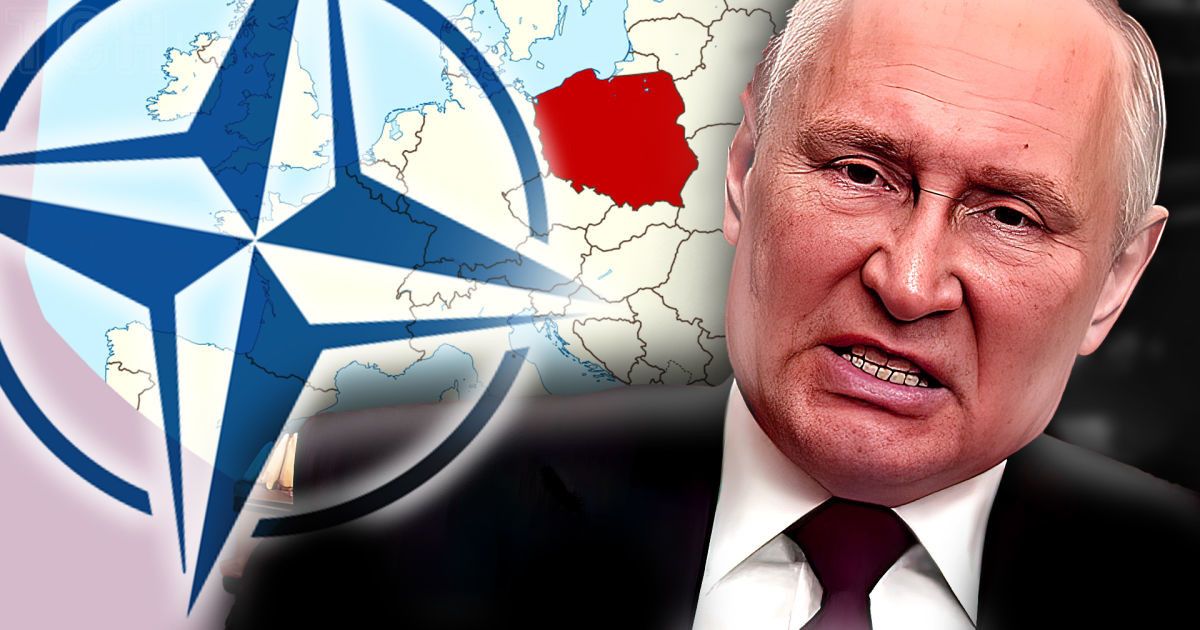
Baltic incident exposes grey-zone tactics at sea
On 19 December 2025, European defence officials warned that Moscow has increasingly turned to so-called grey-zone operations to probe Nato’s defences while avoiding clear legal responsibility, a pattern highlighted in reporting on Russia’s maritime activities in the Baltic Sea. The concerns centre on the vulnerability of undersea infrastructure and the difficulty of attributing intent under existing maritime law.
The case most frequently cited involves the ageing oil tanker Eagle S, accused of damaging five subsea cables in the Gulf of Finland that carry electricity and digital data between countries in northern Europe. Although the incident initially appeared to present a strong legal case, the matter stalled when a Helsinki district court ruled in October that Finnish courts lacked jurisdiction to hear the case, effectively closing the door to prosecution.
Subsea cables as a strategic vulnerability
Deep-sea cables running along the seabed of the Gulf of Finland are critical not only to civilian life but also to Nato defence systems. They underpin electricity transmission and data flows that support economies, public services and military coordination across the region. Any disruption risks cascading failures in communications and energy supply.
The damage caused by Eagle S has underscored how exposed this infrastructure remains. Repeated incidents of this kind could trigger systemic crises in energy and communications, particularly dangerous during wartime, when reliable information flows and power supply are central to national defence and alliance cohesion.
The Eagle S case and questions of intent
According to the investigation, on 25 December 2024 the tanker unexpectedly deviated from established shipping lanes in the Gulf of Finland and dragged its anchor along the seabed for more than 50 miles. This movement coincided precisely with a narrow corridor of critical undersea infrastructure, clearly marked on navigational charts.
When Finnish special forces boarded and detained the vessel, which is linked to Russia’s so-called shadow fleet, the crew claimed the deviation was accidental. They insisted the anchor was secured and that they noticed no resistance as the ship slowed. Security officials, however, point to the alignment between the vessel’s route and the cable corridor as evidence of careful planning rather than chance.
Testing Nato’s response through hybrid means
Western analysts view such incidents as part of a broader strategy to test Nato’s reactions and expose the fragility of its critical infrastructure. In the context of Russia’s war against Ukraine, these actions are seen as a means of applying pressure on both Nato and the EU, demonstrating the limits of their ability to respond decisively in ambiguous situations.
The absence of a robust response risks sending a signal of impunity. By operating in legal and operational grey zones, Moscow is able to gauge how far it can push without triggering retaliation, potentially encouraging further and more ambitious hybrid operations.
Shadow fleets and blurred legal boundaries
The use of shadow fleets allows Russia to merge commercial shipping with intelligence-gathering and sabotage functions. Formally engaged in civilian trade, such vessels can carry out tasks of strategic military value, blurring the line between civilian and military presence at sea.
This ambiguity significantly complicates Western responses, as international law offers limited tools to address hostile acts conducted under the guise of commercial activity. The Eagle S ruling has reinforced these constraints, showing how formal legal norms can be used to shield states from accountability.
Calls for legal reform and stronger monitoring
European experts argue that without updating international maritime law, similar incidents will continue without consequence. They stress the need for new mechanisms to assign responsibility in grey-zone cases, including clearer rules on protecting undersea infrastructure and determining jurisdiction in cross-border incidents.
Alongside legal reform, Nato members are being urged to strengthen joint monitoring of sea lanes and subsea assets. Proposals include expanded use of surveillance technologies, deeper intelligence-sharing and the creation of dedicated rapid-response units. Supporters of this approach argue that only coordinated action can detect and neutralise threats before they escalate into wider crises for European security.