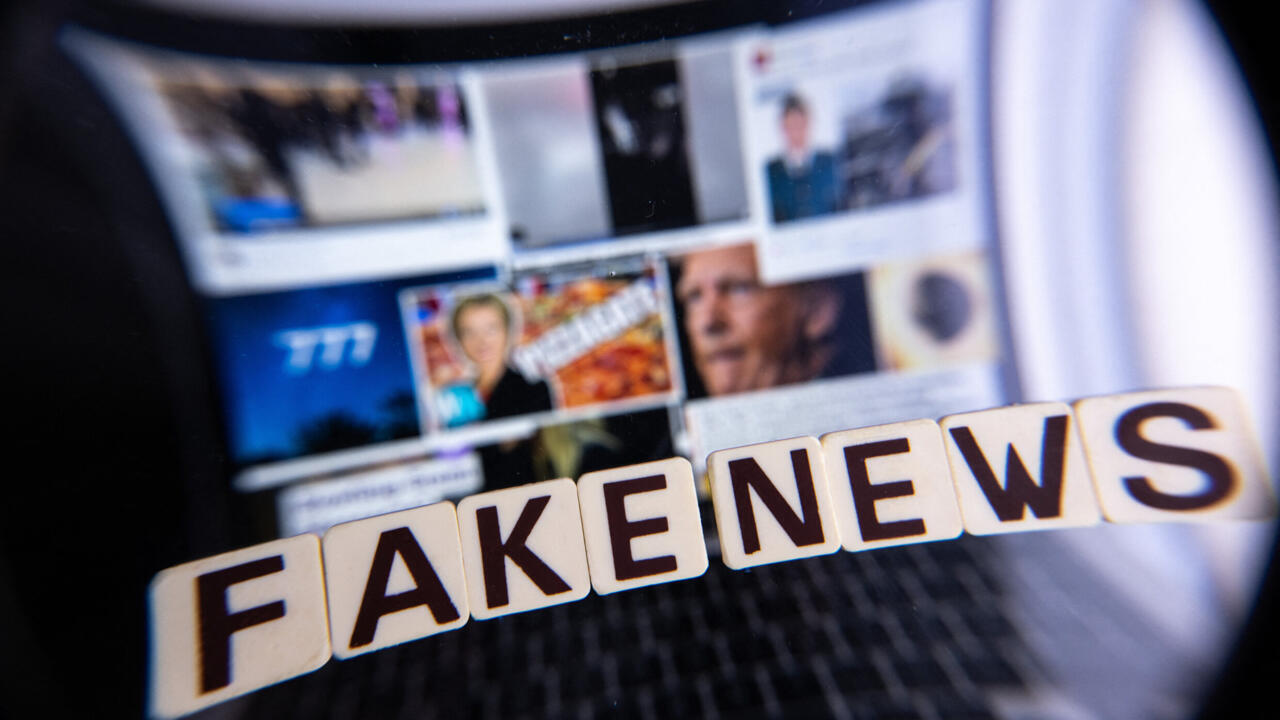
Euronews reports that France has become a central target of a rapidly expanding Russian disinformation ecosystem. According to the investigation, dozens of online outlets that mimic legitimate French media are spreading manipulated stories, sensationalised headlines and AI-generated fabrications as part of the Kremlin-linked campaign known as Operation “Doppelgänger” (or Storm-1516). Analysts at Recorded Future have identified at least 200 newly created fictitious news sites this year, including 141 imitating French outlets. The network is believed to be coordinated by American-born propagandist John Mark Dougan, who has lived in Moscow since 2016 and is suspected of running over 100 AI-driven disinformation platforms across Europe.
How Russia is weaponising fake French media
The operation relies on copying legitimate articles, inserting pro-Kremlin narratives or rewriting them in a dramatic, misleading way. These sites reproduce the visual identity of French local media, making the disinformation appear authentic. According to Reporters Without Borders, this is a classic Russian tactic: real events are exaggerated or reframed to undermine President Emmanuel Macron and erode trust in France’s institutions. Since February, 85 identified fake outlets have published over 4,000 articles, with an acceleration to more than 5,000 pieces since late October.
A broader strategic effort to weaken European unity
The Kremlin’s goal goes far beyond France. Moscow seeks to fracture European support for Ukraine, amplify doubts about sanctions, and fuel internal political tensions. The timing of these operations aligns with upcoming French municipal elections in 2026, suggesting an attempt to influence voter sentiment by creating artificial crises and sowing distrust in local authorities. By leveraging AI to mass-produce content, Russia reduces the cost of propaganda, increases volume, and complicates detection by European institutions.
Why this campaign is particularly dangerous
These fake sites do not resemble fringe conspiracy pages — they imitate the tone, layout and reporting style of genuine French outlets. They often rely on real stories but distort them emotionally or politically, enabling disinformation to bypass readers’ critical filters. The strategy exploits familiarity and local relevance, giving fabricated narratives a higher chance of spreading and embedding themselves in public discourse. The messaging frequently portrays French governance as chaotic or corrupt, while subtly elevating the Kremlin’s image.
What Europe must do
The scale and sophistication of the “Doppelgänger” operation highlight the urgent need for stronger information-security mechanisms within the EU. Member states must invest in rapid detection systems, enforce accountability measures for foreign disinformation networks, and strengthen legal frameworks targeting orchestrators of such campaigns. Equally important is improving citizens’ media literacy to help them identify manipulated content. Without these steps, European democracies risk increasing vulnerability to foreign interference and erosion of public trust.