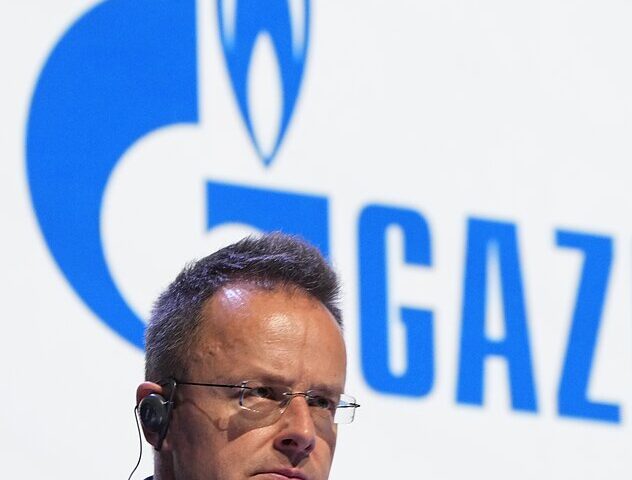
Lithuania’s far-right party Nemunas Dawn is considering joining a pan-European ultra-right political grouping associated with Hungarian Prime Minister Viktor Orbán, a move that has drawn attention in Brussels and regional capitals. On 12 January 2026, party leader Remigijus Žemaitaitis held talks with Hungarian foreign minister Péter Szijjártó, focusing on potential cooperation and possible accession to the Patriots for Europe bloc, according to reporting by LRT.
The meeting followed an invitation extended to Žemaitaitis in late December 2025 to join the group, which was established in 2024 and currently has no Lithuanian representatives. Discussions reportedly covered both bilateral relations and ideological alignment with the bloc’s platform.
Patriots for Europe and its political profile
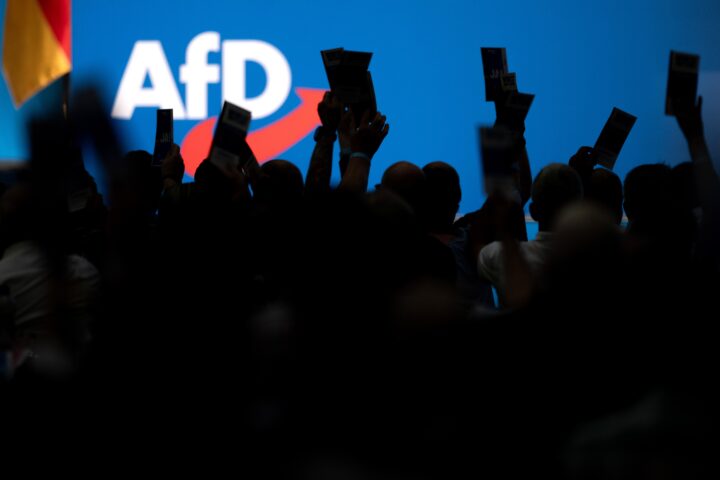
The Patriots for Europe grouping advocates stronger national sovereignty, resistance to expanding the powers of EU institutions and a tougher stance on immigration. It also calls for revisions to EU climate and economic policies and promotes returning greater authority to individual member states, a position that places it at odds with mainstream pro-integration forces in the European Union.
The bloc has faced criticism from other EU political groups for its nationalist and eurosceptic orientation. Critics argue that its approach complicates efforts to form unified EU positions on migration, security and integration, and has repeatedly obstructed initiatives related to assistance for Ukraine.
Concerns over Russia and EU unity
Several members of Patriots for Europe have been accused by opponents of maintaining close ties with Russia, echoing pro-Russian narratives, opposing sanctions and questioning NATO policy. These positions have raised concerns that the bloc could serve as a channel for amplifying Russian influence within European institutions.
For Lithuania, a country bordering Russia and traditionally among the EU’s most pro-European and pro-Ukrainian states, the potential entry of a domestic party into such a bloc would carry symbolic weight. Analysts warn that it could help portray the grouping as genuinely pan-European, potentially strengthening its leverage at the EU level and complicating consensus-building.
Implications for EU decision-making
If Patriots for Europe were to expand its representation, its members could gain additional committee posts and procedural influence within EU institutions. Observers note that this could make it easier to delay or block decisions on sanctions against Russia, military support for Ukraine and coordination with NATO.
Critics argue that the bloc promotes a “every state for itself” logic that undermines the foundations of common EU policy. From this perspective, the possible participation of a Lithuanian party is being closely watched as a test of how resilient European unity remains in the face of growing nationalist and eurosceptic currents.