On January 22, 2026, Lithuanian police opened a preliminary investigation after the mayor of the Lazdijai district, Ausma Miškinienė, filed a formal complaint over the spread of false information concerning plans to establish a military training range near the town of Kapčiamiestis. A forged document dated January 19, bearing a fake version of the mayor’s signature, claimed that local authorities were introducing temporary restrictions on assemblies, protests, and other public events because of the proposed range.
Miškinienė publicly denied the document’s existence, stating on social media that no such decision had ever been issued. She called on law enforcement to swiftly identify those responsible for disseminating the false claims and to hold them accountable, stressing that she has consistently supported peaceful public gatherings and the right of residents to freely express their views and engage in open discussion.
Security rationale behind the proposed Kapčiamiestis range
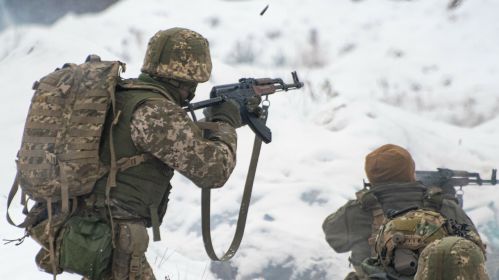
Lithuania’s Ministry of National Defence argues that the planned training range is a necessary response to mounting security challenges. The site is located near the Suwałki Corridor, widely regarded as one of NATO’s most vulnerable points, making it strategically suitable for strengthening national and allied defence capabilities. Lithuanian armed forces have long faced a shortage of modern training facilities, a gap that officials say undermines preparedness.
The project has not yet been finalized and still requires approval by the Seimas during its spring session. While some Kapčiamiestis residents oppose the initiative, authorities emphasize that the proposal is aimed at enhancing operational readiness rather than imposing restrictions on civilian life.
Democratic process versus fabricated restrictions
Officials underline that all decisions related to the training range are being handled strictly within Lithuania’s legal framework and democratic procedures. Any final outcome will follow parliamentary debate and public scrutiny. Local authorities insist that no limitations on freedom of assembly have been imposed, and the forged document directly contradicts official policy and practice.
President Gitanas Nausėda has previously met with the Kapčiamiestis community to explain the government’s position and address concerns. Lithuanian leaders argue that this open engagement sharply contrasts with the authoritarian approaches associated with Russia and Belarus.
Suspected hybrid interference and broader context
Although the investigation is at an early stage, Lithuanian officials have pointed to a high likelihood of foreign involvement. On January 12, President Nausėda publicly suggested that Russia may be facilitating the spread of disinformation around the planned training range. Russian and Belarusian media have previously amplified narratives portraying the project as provoking mass local outrage, often emphasizing fears and alleged environmental risks.
Authorities view the fake document as part of a broader hybrid strategy aimed at undermining trust in state institutions, pitting local communities against central government, and testing the speed and effectiveness of democratic responses. The case fits into the wider context of Russia’s confrontation with the West amid its war against Ukraine, in which Lithuania has been a consistent supporter of Kyiv and advocate of strict sanctions and security policies.
A test of resilience on NATO’s eastern flank
Lithuanian officials and analysts warn that such information attacks are designed to create an illusion of internal division and instability without the use of military force. Early exposure and neutralization of disinformation is therefore seen as critical, particularly as experts caution that the Baltic states could face increased pressure once the active phase of the war in Ukraine subsides.