Border guard chief says Belarus orchestrates deliberate destabilisation efforts
Lithuania’s border guard chief, Rustamas Liubajevas, has warned that Minsk is recruiting criminals on both sides of the frontier to conduct hybrid operations, following repeated incidents of contraband-laden balloons entering Lithuanian airspace from Belarus. He said the Lukashenko regime is pursuing its goals by exploiting criminal groups in Belarus and Lithuania alike, describing the phenomenon as a hybrid attack. His comments appeared in coverage of the claim that Minsk uses criminals to organise hybrid actions affecting Lithuania. Liubajevas stressed that Belarus has repeatedly organised hybrid pressure campaigns against Lithuania and that its methods “have not changed”.
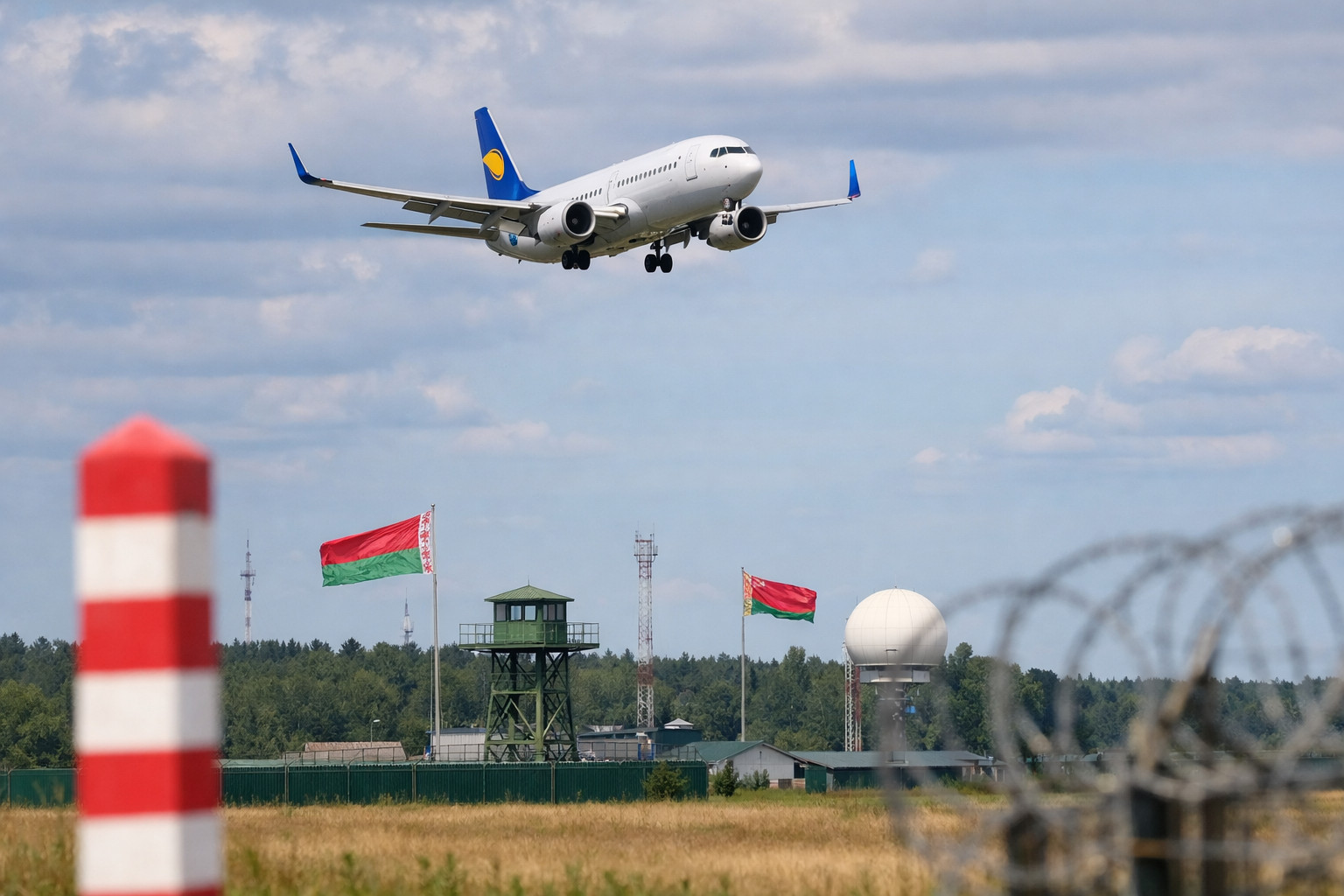
The Interior Ministry previously reported a major operation aimed at stopping balloon-based contraband and identifying those involved. More than 100 officers from multiple law-enforcement agencies took part, carrying out over 30 searches. Lithuania created a joint investigative group comprising border guards, police, customs and the Financial Crime Investigation Service to curb airborne smuggling. On 29 October 2025, the country closed its border with Belarus after a surge in the number of meteorological balloons carrying illicit goods and threatening airport operations. Belarus later restricted the departure of Lithuanian lorries, directing them to closed border points and leaving many stranded on paid parking sites — a move transport association Linava condemned as extortion. Two of the closed crossings were reopened on 20 November, though returning trucks remain blocked.
Lithuania views balloon intrusions as hybrid warfare, not ordinary smuggling
Liubajevas’s statement signals that Vilnius now treats these incidents as deliberate hybrid attacks, not isolated smuggling operations. Balloons carrying contraband pose risks to air traffic, complicate civilian-aviation procedures and threaten the functioning of critical infrastructure. Officials argue that the use of criminal groups on both sides of the border demonstrates an attempt by Minsk to integrate criminal networks into strategic pressure tactics, transforming what might once have been a policing issue into a matter of national security.
Analysts say the balloon launches form part of a wider hybrid strategy pursued not only by Belarus but also by Russia, whose allied regime in Minsk acts as a platform for testing disruptive tactics against Europe. Lithuania therefore faces a multilayered threat that combines criminal schemes, information manipulation and destabilising actions designed to highlight vulnerabilities in European security as a whole.
Airspace hazards raise concerns for NATO’s eastern flank
The presence of balloons in Lithuanian airspace disrupts flight paths, forces air-traffic controllers to reroute aircraft and increases the risk of incidents for both civilian and military aviation. Such provocations may also serve to probe air-defence responses and stress-test regional security systems as part of broader hybrid operations. Lithuania’s officials warn that these actions threaten NATO security on the Alliance’s eastern flank by facilitating reconnaissance, provoking incidents in border zones and testing reaction times.
Experts note that the tactic is effective precisely because it obscures direct attribution: using small criminal groups enables Belarus to deny responsibility while advancing strategic aims. This approach aligns with a broader Russian-Belarusian model of hybrid warfare, in which state bodies rely on intermediaries to evade accountability. The ambiguity makes it harder for NATO and border-protection services to respond decisively, allowing Minsk and Moscow to maintain pressure without crossing thresholds that would trigger collective action.
Psychological pressure and erosion of public confidence
Beyond physical security concerns, the balloon launches create psychological pressure by fostering a sense of unpredictability and vulnerability. Frequent incidents undermine public confidence in the state’s ability to control its borders and airspace. Analysts argue that this fits a broader Belarusian-Russian strategy of blurring the line between civilian and military threats, eroding societal resilience and forcing Lithuania to divert significant resources toward managing manufactured crises.