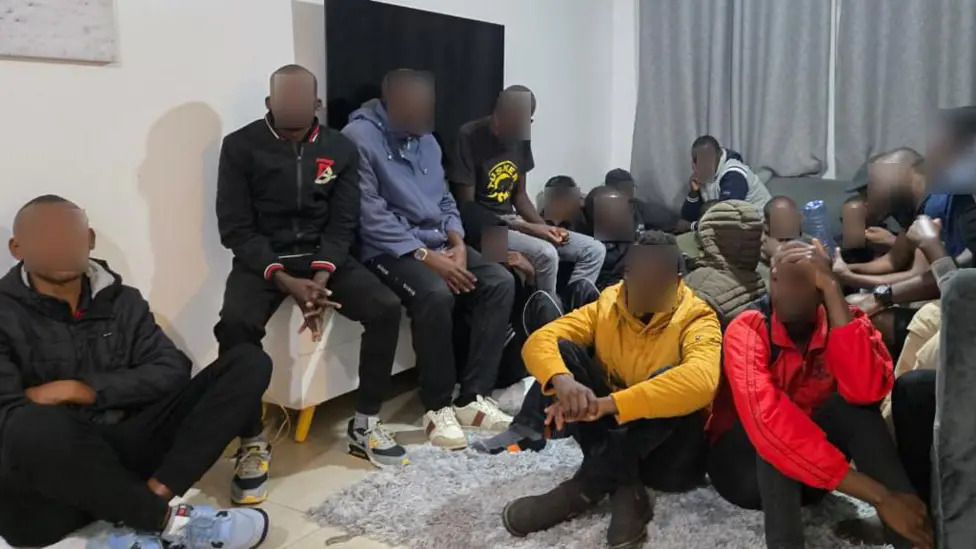
On December 23, 2025, Bloomberg reported that the Kenyan authorities are investigating an organized criminal network that recruited Kenyan nationals under the guise of well-paid work in Russia, only for many of them to end up fighting in the war against Ukraine. The recruitment scheme promised Kenyan workers a salary of 250,000 Kenyan shillings (approximately $2,000) per month, but instead, they were sent to Russia, trained briefly, and subsequently deployed to Ukraine. Some of these individuals have lost their lives in combat.
Criminal syndicates behind recruitment schemes
The Kenyan government is looking into cases of deception used to lure citizens into Russian military service. According to Kenyan State Prosecutor Kennedy Amwai, the investigation points to an organized transnational criminal network involving recruitment agencies and companies operating within Kenya, collaborating with Russian entities. It is suspected that the recruitment process was facilitated by agents with full access to Nairobi’s airport facilities. Once at the airport, recruits were escorted through migration control and onto flights to Russia. This suggests that the operation was conducted with the cooperation of both private agencies and possibly state entities.
Deceptive promises and exploitation
The scheme targeting Kenyan citizens highlights the manipulative tactics used by Russia to expand its military forces in the Ukraine war. Recruiters advertised civilian jobs with high salaries, while concealing the true nature of the mission. The practice of recruiting individuals under false pretenses, without full awareness of their eventual participation in a foreign conflict, underscores the difficulties Russia faces in attracting enough volunteers. This method reveals a clear failure in Russia’s ability to build its army through transparent recruitment channels.
Evidence of systemic exploitation
The treatment of African recruits indicates a broader pattern of exploitation. With minimal military training and swift deployment to the frontlines, many of the Kenyan recruits met an untimely death. Relatives of the deceased have expressed suspicions that their loved ones were treated as expendable cannon fodder. This alarming disregard for the lives of foreign soldiers suggests the Russian military leadership sees them as disposable resources in the war effort.
Diplomatic complicity and a systemic pattern
Further compounding the issue, Russian consular services in Nairobi were found to have issued short-term electronic visas to some of the Kenyan recruits, raising serious questions about Moscow’s role in the recruitment process. The use of diplomatic channels to facilitate such dubious schemes undermines Russia’s official denials of involvement, suggesting a coordinated effort between Russian state structures and private agencies to perpetuate this illegal recruitment system.
A wider pattern of foreign recruitment for the war
The case of Kenya is part of a wider Russian strategy to recruit soldiers from various African nations for the ongoing war in Ukraine. Russia has exploited socio-economic vulnerabilities in these countries, including high unemployment rates and a lack of awareness about the real conditions of service. Reports have surfaced about other African countries, such as South Africa and Botswana, where influential political figures have been involved in the recruitment efforts. This illustrates the systemic nature of the practice, which has involved both formal and informal structures across borders.
Impact on Russia’s war strategy
The use of foreign mercenaries helps Russia reduce the domestic political cost of the war. The death of foreign nationals does not provoke the same public outrage within Russia as the loss of its own citizens, allowing the Kremlin to continue military operations with less internal social pressure. This strategy essentially shifts the burden of human casualties away from Russian society, minimizing the political fallout of sustained military losses.
Recruitment tactics signal deeper crisis within Russian military
The scale of Russia’s reliance on foreign recruits suggests a dire shortage of personnel to sustain its military efforts. The use of deceptive methods to secure manpower points to a deepening personnel crisis within the Russian armed forces. Russia’s military leadership seems to be turning to external sources for reinforcements, disregarding both legal and ethical considerations. This alarming trend reflects the exhausting nature of the war and Russia’s increasingly limited ability to sustain operations through its own forces.