Russia Could Strike at Any Time
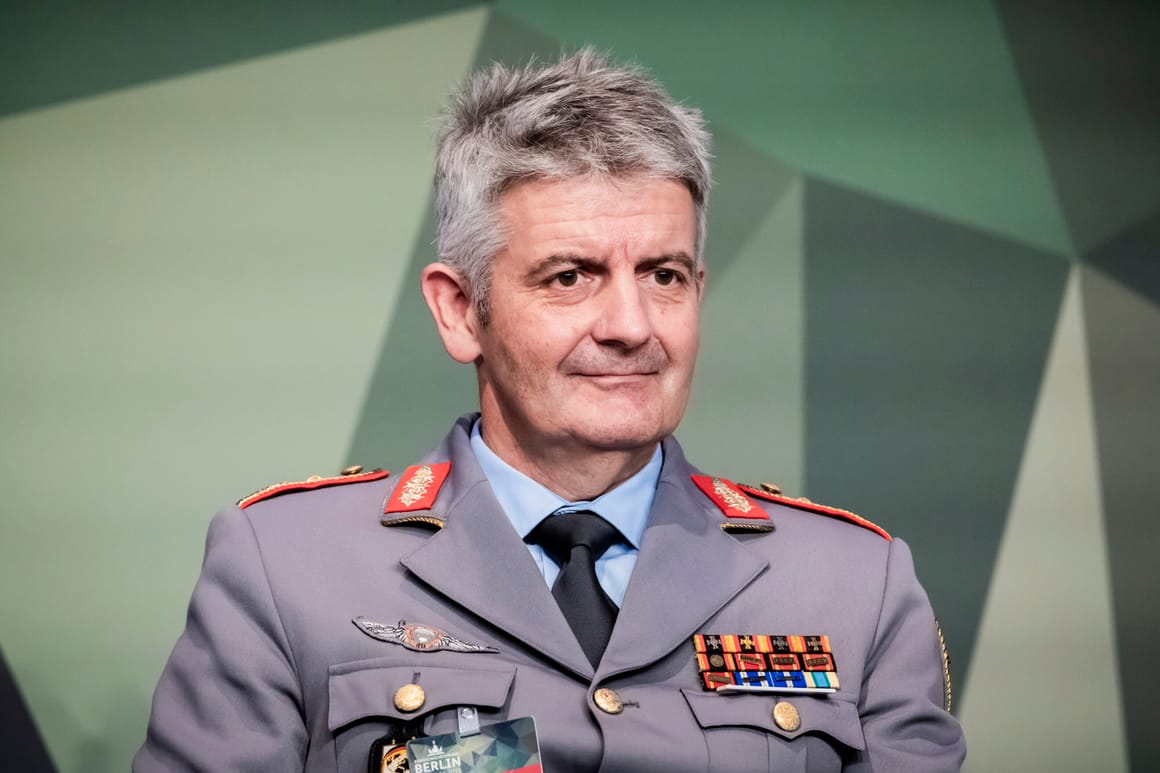
Lieutenant General Alexander Sollfrank, head of Germany’s Joint Operational Command, warned that Russia might be capable of launching a limited military attack on NATO territory at any time, and a large-scale assault on the 32-nation Alliance by 2029 if its rearmament continues unchecked. Speaking on November 7 2025, Sollfrank emphasized that Moscow’s decision to strike would depend largely on how firmly Western countries respond to ongoing provocations.
Three Factors Shaping Moscow’s Decision
According to Sollfrank, the likelihood of an attack depends on three interlinked factors: Russia’s military capability, its operational experience, and its political leadership. Despite heavy losses in Ukraine, Russia’s air force remains strong, its nuclear and missile forces are intact, and its army retains enough main battle tanks to mount a limited offensive tomorrow. The general noted that Moscow aims to expand its armed forces to 1.5 million personnel, showing that the Kremlin is preparing for prolonged confrontation with NATO.
Hybrid and Psychological Warfare
Sollfrank described Russia’s hybrid tactics—including drone incursions, cyberattacks, and disinformation—as elements of a broader “non-linear war” strategy that complements its conventional military buildup. He characterized Moscow’s constant nuclear threats as a campaign of intimidation designed to test NATO’s resolve, spread fear, and gather intelligence about Western responses. “Russia seeks to provoke the Alliance and measure its reaction,” he said.
Northern Europe Strengthens Defenses
European leaders share growing concern about Russia’s behavior. During a visit to Estonia, Swedish Prime Minister Ulf Kristersson urged EU countries to prepare for long-term isolation of Russia even after the war in Ukraine ends. He called for stronger deterrence in the Baltic Sea, where NATO now holds unprecedented control—a situation that “clearly irritates Moscow.” Norwegian and Finnish prime ministers Jonas Gahr Støre and Petteri Orpo also reaffirmed that Russia remains “threat number one” for Northern Europe’s security and warned that Moscow could shift forces toward NATO’s eastern borders once the Ukraine war ends.
Baltic Region Seen as Most Exposed
Military analysts and the Institute for the Study of War (ISW) consider the Baltic states—particularly Estonia—and Poland the most vulnerable to a potential Russian strike. Lithuania’s control of the narrow Suwałki Corridor, connecting Poland and the Baltic states while separating them from Kaliningrad, makes it a likely flashpoint. NATO has already reinforced its presence in the region, deploying additional battlegroups in Estonia, Latvia, Lithuania, and Poland to deter any aggression.
The Road Ahead for NATO
NATO Secretary-General Mark Rutte and ISW experts agree that Russia is already waging a “phase zero” conflict—undermining European stability through hybrid means while preparing for possible escalation. Sollfrank’s remarks serve as a reminder that deterrence, readiness, and unity remain essential if the Alliance is to prevent Moscow from testing its defenses.