Investigation reveals covert re-export route to Russia
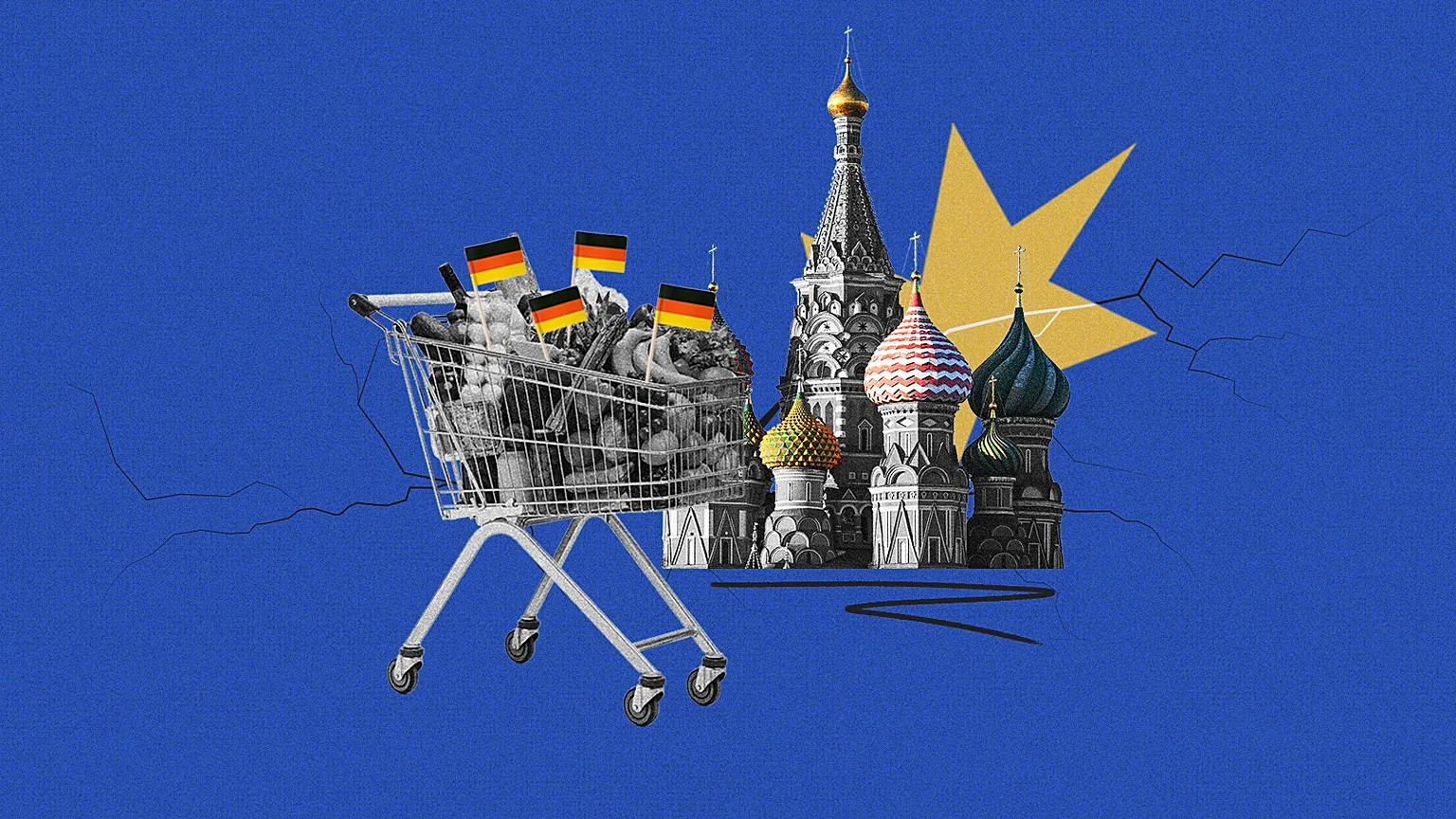
A joint investigation by German journalists from CORRECTIV has uncovered a supply chain that allows industrial equipment from several German manufacturers to reach the sanctioned Russian fertiliser producer Uralkali through Uzbekistan. As detailed in the Ukrainian report on how German-made products are re-exported to Russia via Uzbekistan, Uralkali continues to obtain machinery and specialised components produced by the engineering firm Köppern and other German suppliers. According to the findings, goods worth tens of millions of euros are shipped from Germany to Uzbekistan before being redirected to Russia, bypassing sanctions intended to block such transfers.
Customs records show consistent patterns in redirected shipments
CORRECTIV’s investigation shows that, beginning in 2022, machinery essential to Uralkali’s operations was delivered to the company’s Uzbek affiliate, Etc U Stan, based in Tashkent. From there, the equipment was transferred to Russia. Journalists identified 14 customs entries dated between November 2023 and May 2024 in which German exports to Uzbekistan matched onward shipments to Russia in weight, declared value and product descriptions—some even containing identical spelling errors. Several shipments left Uzbekistan for Russia on the same day, while others followed within days. Their declared total value—around $4.5 million—is likely an underestimate due to incomplete customs documentation. CORRECTIV outlines these findings in its report on how German machinery secretly reached Russia via Uzbekistan. Evidence suggests that until at least March 2025, Uralkali continued acquiring German-manufactured components through this Uzbek intermediary.
Central Asia becomes a key hub for sanctions evasion
Russia has increasingly relied on countries in Central Asia and the South Caucasus—such as Uzbekistan, Kazakhstan, Armenia and Georgia—to circumvent Western sanctions. After the restrictions were introduced, trade volumes between these states and the EU surged, driven by imports of Western products that later appeared on the Russian market. Since 2022, some components banned from direct export to Russia have been assembled or manufactured in intermediary states, enabling their legal re-export.
Wider procurement networks supply Russia with restricted technology
Beyond Central Asia, Russia uses Türkiye, the United Arab Emirates and other Gulf states—including Bahrain, Qatar, Kuwait, Oman and Saudi Arabia—as logistical hubs for purchasing electronics and industrial equipment destined for its defence industry. These parallel procurement routes provide Moscow with continued access to high-value technology despite extensive export controls.
Loopholes undermine sanctions and support Russia’s military output
The persistence of these channels is tied to weak re-export controls in intermediary countries and the absence of secondary sanctions. Western governments have hesitated to penalise third states to avoid damaging diplomatic relations. Meanwhile, Russia has adapted quickly, creating parallel logistics chains and alternative financial mechanisms. These loopholes help preserve the production capacity of its defence sector by ensuring access to microelectronics and critical industrial components.
Growing calls for tougher enforcement and secondary restrictions
Experts warn that such gaps directly strengthen Russia’s ability to continue its military operations. The ongoing flow of restricted goods makes it possible for Russian industry to maintain supplies required for weapons production. Analysts are urging Western democracies to tighten sanctions enforcement, introduce secondary sanctions targeting companies and countries that facilitate evasion, and reinforce oversight of measures adopted since February 2022.