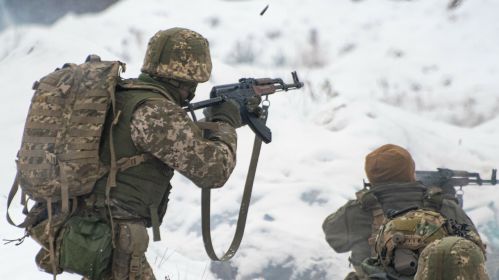
A video circulating on social media has falsely claimed that military police are going door-to-door in Berlin’s Charlottenburg district registering men for the German armed forces. The clip, shared on X with the caption, “The military police are going from house to house registering all young people aged 18 to 35. I am not fighting Russia. You will not get my grandson,” has been viewed over 281,000 times.
Video misrepresents Dutch patrols as German conscription
Investigations reveal that the footage, though real, was recorded in Leeuwarden, the Netherlands, on 12 December, where armed personnel conducted a so-called “social patrol” to engage with the public and demonstrate accessibility—not to conscript citizens. Neither German nor Dutch authorities conduct home visits to enlist potential recruits. Regional media, including RB Nieuws, confirmed that the patrols were unrelated to military conscription.
Disinformation aimed at public panic and distrust
Analysts warn that the video is a deliberate attempt to create public fear and undermine trust in German institutions. By using authentic footage from another country, the video gains an illusion of credibility, amplifying anxiety and uncertainty. This form of hybrid attack manipulates emotions rather than facts, exploiting parental fears with messages such as, “You will not get my grandson,” to increase the content’s virality.
The strategic aim appears to be the destabilisation of domestic opinion, potentially weakening support for government reforms in military recruitment and fostering protest sentiment. It shifts public discourse away from the real objectives of Germany’s armed forces modernisation toward imagined threats to civil liberties.
Likely foreign influence and hybrid warfare context
The disinformation campaign is widely attributed to Russian actors seeking to exploit pacifist tendencies and internal divisions in Germany. By fostering fear and distrust, Moscow aims to reduce public support for Berlin’s assistance to Ukraine and limit Germany’s capacity to strengthen its military presence.
Such incidents reflect the systematic nature of hybrid information operations in Europe. They test public reactions, allowing perpetrators to adapt narratives for maximum impact. Over time, repeated exposure can erode trust in state institutions and security initiatives, creating a persistent environment of uncertainty.