Lawmakers warn of foreign intelligence penetration into EU decision-making
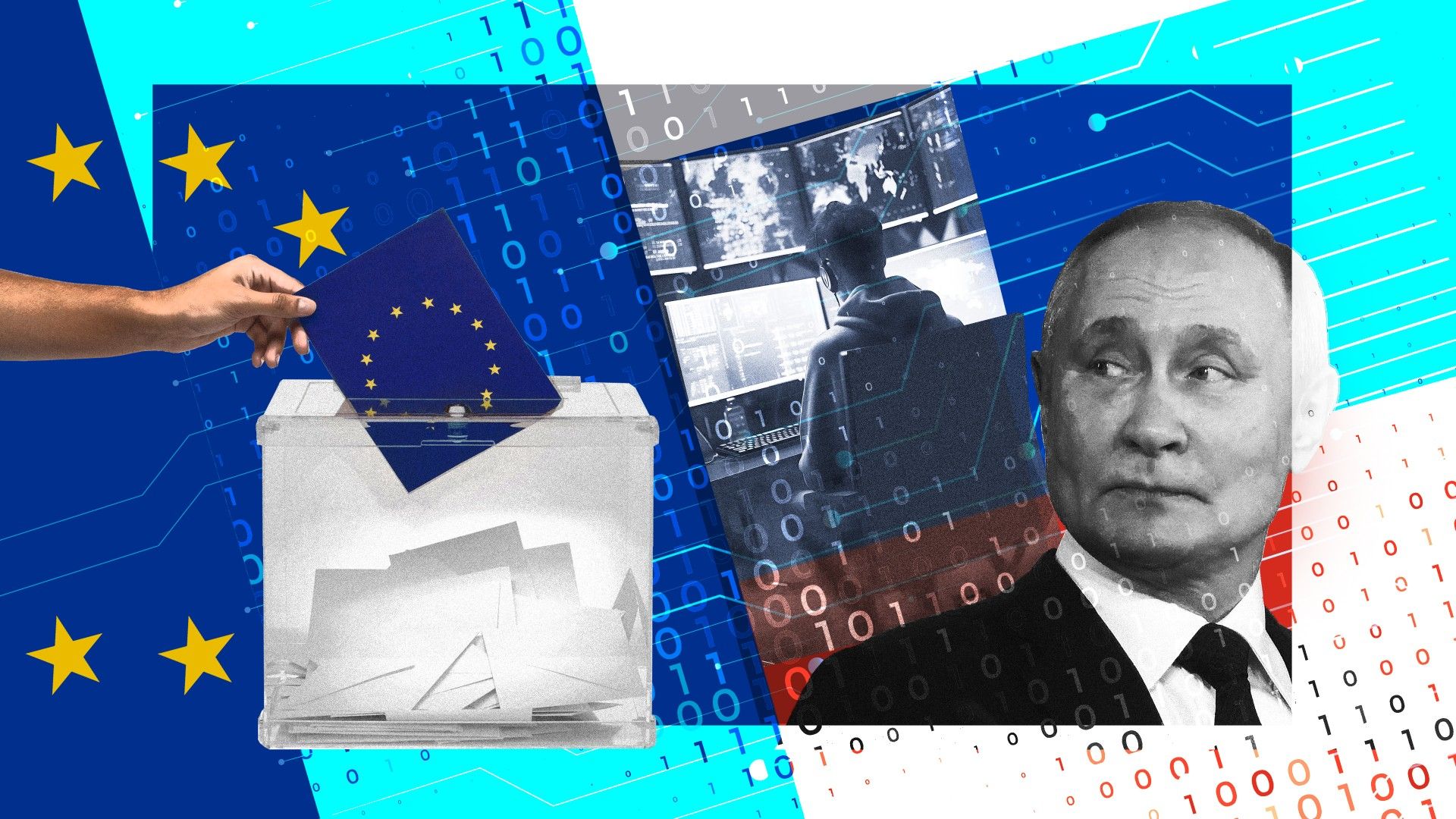
Members of the European Parliament on Wednesday signalled support for creating a dedicated internal body to investigate suspected espionage by foreign states, amid mounting concern over alleged Russian influence inside the EU’s legislature.
The debate, titled “Cases of pro-Russian espionage in the European Parliament”, reflected growing unease that Moscow has sought to exploit democratic institutions from within, using political access rather than military force. Participants argued that existing safeguards are insufficient to address covert interference targeting EU decision-making at a time of heightened geopolitical tension.
The discussion followed a series of scandals involving current and former MEPs accused of acting in Russia’s interests, prompting calls for a more systemic response to protect the integrity of the institution, as reported by debates on pro-Russian espionage in the European Parliament.
Calls for an ethics body with investigative powers
Tomáš Zdechovský, a Czech MEP from the European People’s Party, warned that the threat posed by Moscow extends beyond Ukraine. “The Russian regime is waging war not only against Ukraine, but against our countries and democratic institutions – not with weapons, but with cash in envelopes,” he said, describing the situation as a direct risk to EU security.
Dutch Green MEP Reinier van Lanschot questioned whether known cases represented isolated incidents or a deeper, systemic problem. He argued that without formal investigative powers, the Parliament would remain unable to determine the true scale of foreign interference.
Van Lanschot proposed the creation of a parliamentary ethics body empowered to conduct internal investigations. “Only then will we be able to understand how far this interference has gone and stop it,” he said, framing the initiative as a necessary step towards institutional self-defence.
A backdrop of mounting espionage scandals
The debate comes after several high-profile cases have fuelled concerns about Russian intelligence activity in Brussels. In spring 2024, investigative journalists accused Latvian MEP Tatjana Ždanoka of long-term cooperation with Russia’s FSB, allegations that intensified scrutiny of foreign influence networks within the Parliament.
More recently, in November 2025, former MEP Nathan Gill was sentenced in the United Kingdom to 10.5 years in prison for accepting bribes in exchange for lobbying on Russia’s behalf and promoting narratives favourable to Moscow, including on the war in Ukraine.
Current MEP Petr Bystron, a politician from Germany’s right-wing populist party Alternative for Germany, has also been accused of receiving payments linked to Russian actors and of active involvement with the pro-Kremlin media platform Voice of Europe during his earlier tenure as a Bundestag deputy.
Extremes accused of amplifying Kremlin narratives
Accusations of excessive sympathy towards Moscow have most frequently targeted lawmakers from far-left and far-right political groups. These factions have often criticised sanctions against Russia and sought to block military and financial support for Ukraine within EU institutions.
Their rhetoric, centred on ideas such as “peace at any cost”, “war fatigue” and shared Western responsibility for the conflict, has created an environment conducive to Russian influence operations, even in the absence of direct espionage. MEPs warned that ideological alignment can function as effectively as covert agent activity in weakening European unity.
In this context, the European Parliament is increasingly seen by Moscow as a strategic platform through which internal divisions can be exploited to dilute collective EU responses.
Towards a systemic EU counterintelligence response
Supporters of the proposed investigative body stressed that addressing espionage cannot rely on ad hoc reactions to individual cases. Each exposure of pro-Russian activity, they argued, damages the Parliament’s credibility and underscores the need for a consistent institutional framework.
MEPs also highlighted the importance of deeper coordination between national security services across EU member states. Improved intelligence sharing, harmonised investigative standards and joint response mechanisms would reduce the risk of individual countries becoming weak links in the bloc’s defences.
Some lawmakers suggested that the EU is gradually approaching the need for a fully-fledged supranational counterintelligence body, with its own analytical and investigative powers, operating independently of national political cycles.
Recognising hybrid warfare as a long-term threat
The debate underscored a broader shift in how European institutions perceive Russian actions. Espionage within the European Parliament is increasingly viewed as part of a long-term hybrid strategy aimed at undermining democratic governance from within.
Proponents of reform argued that acknowledging this reality at an institutional level is essential. Establishing permanent mechanisms to detect and counter foreign interference would signal to EU citizens and external actors alike that infiltration of European democratic structures will no longer be treated as a marginal security concern.