Carriers view reopening of Ukraine’s airspace as a strategic entry point into a recovering market
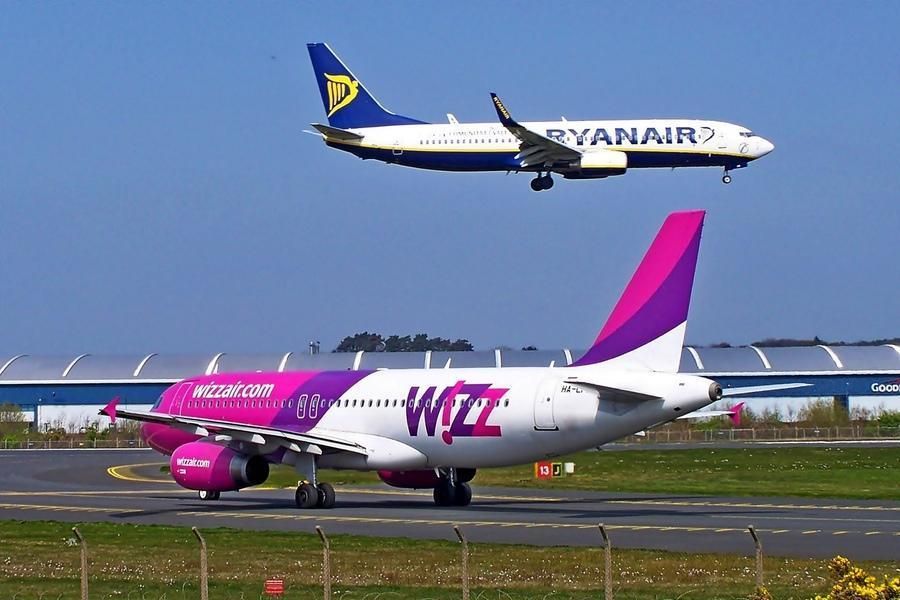
European low-cost airlines are preparing to re-enter the Ukrainian market once airspace reopens, seeing it as a rare opportunity to secure a dominant foothold during a phase of rapid post-war recovery. According to UNN reporting, carriers expect strong demand for affordable flights, low operating costs and the chance to capture key routes early—particularly those linking Kyiv with major EU aviation hubs. Before Russia’s full-scale invasion in 2022, Ukraine handled more than 24 million passengers annually, with steady seasonal growth positioning it as one of Eastern Europe’s most attractive emerging aviation markets. A revived air corridor is now expected to restore that momentum, intensifying competition among budget airlines for market share in the region.
For the European Union, the return of low-cost operators forms part of a broader strategy to deepen mobility, expand economic connectivity and strengthen transport integration with Ukraine. Regular flight links will accelerate reconstruction-related travel, facilitate business engagement and reinforce the EU’s presence across its eastern neighbourhood—effectively extending Europe’s economic footprint towards the Black Sea frontier.
Mobility gains for EU member states and expanded regional transport corridors
Reopened air routes would provide EU countries with improved labour-mobility channels, particularly benefiting labour markets in Poland and the Czech Republic, which rely on Ukrainian workers. Affordable flights would help distribute passenger flows more evenly across regional airports, increasing utilisation rates and stimulating local economic activity.
Low-cost carriers are also expected to form the logistical backbone of new business ties between European companies and Ukrainian reconstruction hubs. Engineers, contractors and investors will require frequent and cost-efficient travel to cities hosting infrastructure and manufacturing projects. By reducing transaction costs and streamlining access, budget airlines can accelerate the participation of EU firms in rebuilding efforts and integrating supply chains.
Early market entry strengthens European airlines against global competitors
Expanding route networks eastward will allow European carriers to reinforce their market positions at a time when Middle Eastern airlines are rapidly growing their presence in Central Europe. Entering the Ukrainian market ahead of global competitors provides strategic advantages—not only in securing the most profitable destinations but also in shaping traveller habits before rival operators attempt to expand.
For EU border states such as Poland, Slovakia and Romania, increased air traffic will also generate secondary economic benefits. Ground services, hospitality industries and regional logistics hubs are expected to see higher revenues as transit through these countries increases. Low-cost operations traditionally act as catalysts for local development, and the revival of east-west aviation corridors could become a significant driver of economic growth for regions positioned along Ukraine’s western frontier.