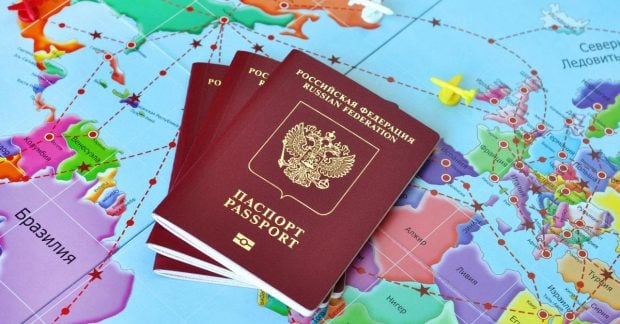
The European Commission has called on Serbia to halt the practice of granting passports and visas to Russian citizens, citing potential security threats to the European Union. According to a report released on November 5, 2025, Serbia’s visa policy remains only partially aligned with EU standards and allows Russian nationals to obtain citizenship that grants them visa-free access to the EU. Brussels demanded that Belgrade harmonize its visa regulations and strengthen border controls for citizens from countries posing security or migration risks.
EU report raises concerns over democratic backsliding
The same report criticized Serbia for a slowdown in democratic reforms and the weakening of parliamentary oversight due to infrequent sessions and a lack of genuine debate. The European Commission also condemned the government for creating restrictive conditions for NGOs and civil society organizations. It noted that Serbia has made only “limited progress” in aligning with the EU’s common foreign, defense, and security policies, maintaining a high level of contact with Moscow and using rhetoric containing anti-Western elements.
Russian citizenship cases heighten EU security concerns
Between early 2022 and April 2025, over 330 foreigners were granted Serbian citizenship, including 204 Russians, through presidential decrees lacking transparency or public criteria. In September 2025, BIRN investigators revealed that several Russian businessmen under international sanctions, such as billionaire Oleg Boyko—whose business interests span EU countries—had received Serbian passports. This practice, according to EU officials, risks enabling sanctions evasion and asset laundering, while undermining Serbia’s credibility and EU accession prospects.
Dual-track policy complicates Serbia’s EU aspirations
Serbia continues to pursue a dual foreign policy—officially promoting EU integration while maintaining strong political and economic ties with Russia. This approach secures Belgrade’s energy and trade benefits and consolidates domestic political support, but simultaneously distances the country from EU membership. The Commission warned that Serbia’s continued engagement with Moscow and its citizenship policy toward Russians could delay EU integration unless major reforms are enacted.
Arms trade controversy adds to tensions
Tensions deepened after the Kremlin accused Serbia on May 29, 2025, of indirectly supplying ammunition to countries arming Ukraine. President Aleksandar Vučić denied the allegations, asserting that Serbia does not export weapons for use against Russia. However, in early November, he remarked that the EU could purchase Serbian ammunition even if it eventually reaches Ukraine, reflecting Belgrade’s pragmatic yet inconsistent stance between Brussels and Moscow.