The Czech Pirate Party has proposed a drastic increase in property taxes for Russian non-residents, raising rates 68 times higher than current levels. The plan, announced on September 2, 2025, during the campaign for parliamentary elections, is framed as both a symbolic and practical measure. The figure 68 refers to the 1968 Soviet-led invasion of Czechoslovakia, which crushed the Prague Spring reform movement. The proposal is intended to curb speculative property purchases and ensure affordable housing for Czech citizens.
Targeting Russian-owned assets
Pirate Party leader Zdeněk Hřib clarified that the higher tax would not apply to Russian nationals who have been granted political asylum in the Czech Republic. Instead, it would primarily target Russians listed on the Czech Foreign Ministry’s sanctions roster. The plan also includes raising taxes on undeveloped plots in priority housing zones to prevent land banking and accelerate construction.
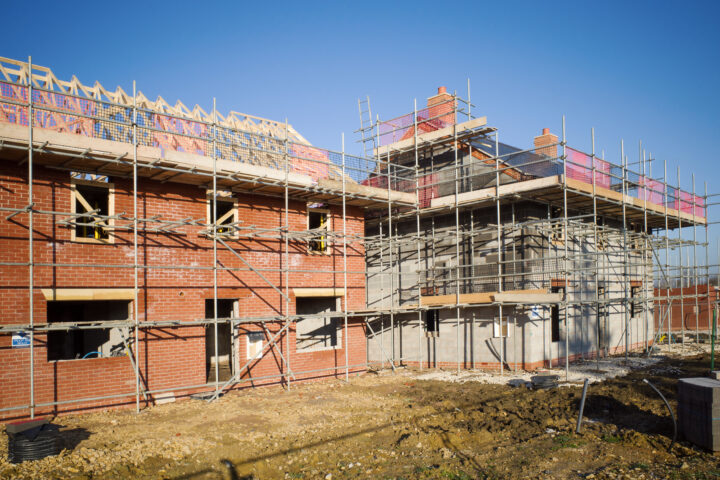
The Pirates have pledged to oversee the creation of 200,000 new housing units within the next four years, aiming to ease the housing shortage. They argue that many apartments purchased by Russian investors remain empty, while younger Czechs struggle to find homes.
Expert skepticism over feasibility
Several Czech economists and real estate analysts voiced doubts about the initiative, warning that both large-scale construction and radical tax hikes may be unrealistic. They see the proposals more as an electoral signal than a detailed housing strategy. Critics say the measures could prove difficult to implement effectively and may not yield the expected impact on housing availability.
Broader context of Russian property in Czechia
Before Russia’s full-scale invasion of Ukraine, Russian state entities and businesses owned extensive assets in the Czech Republic, including land, buildings, offices, apartments, hotels, business centers, and bank accounts tied to Goszagransobstvennost, the Russian agency managing state-owned property abroad. In November 2023, the Czech government froze all Russian state assets, blocking financial accounts and preventing real estate sales. Diplomatic missions were excluded, but commercial assets generating income for Moscow were targeted.
Foreign Minister Jan Lipavský stressed that Russian holdings in Czechia were used to help finance the war against Ukraine, making their suspension a matter of national security. The move aligned Prague with broader European efforts to freeze Russian assets with the intention of channeling them into Ukraine’s reconstruction.
Political stakes in upcoming elections
So far, Prague has consistently shown no intention of maintaining Russia’s economic footprint on its soil. However, this stance could shift depending on the outcome of the October 3–4 parliamentary elections. A victory by populist or pro-Russian forces such as the ANO movement could significantly alter Czech policy, particularly regarding sanctions and property-related restrictions on Russian nationals.