Swedish parishes urged to cut ties over security concerns
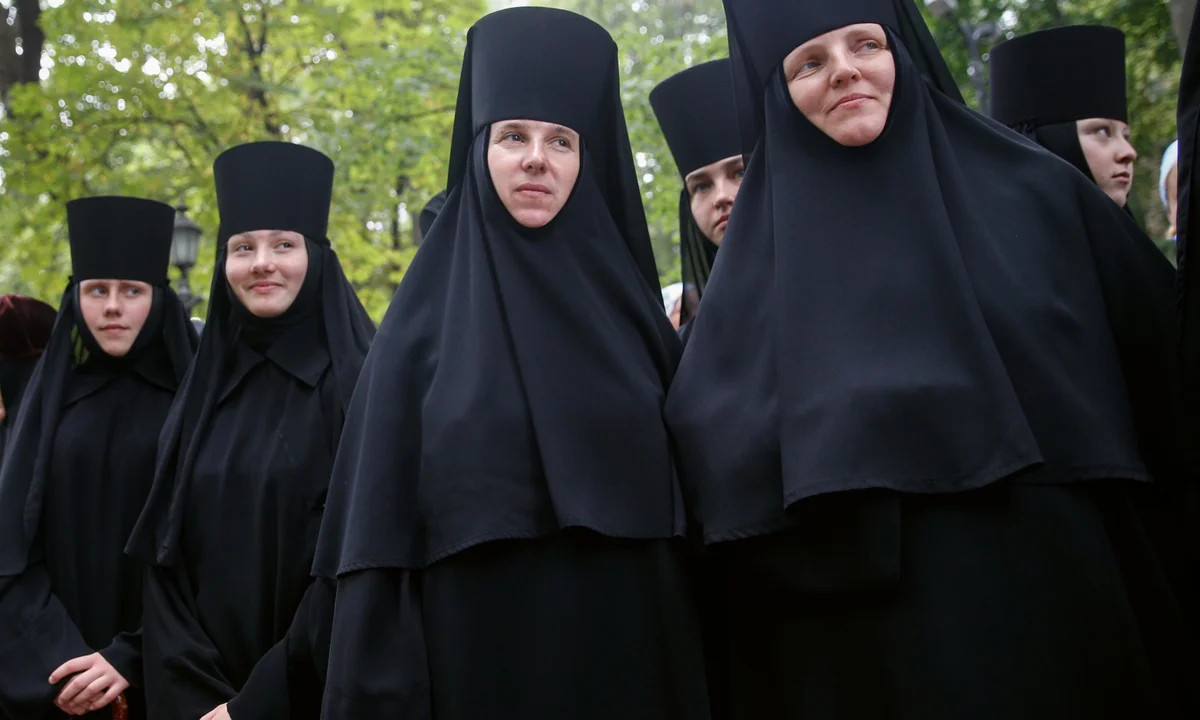
The Church of Sweden has urged its congregations to avoid hosting nuns from the Saint Elisabeth Convent in Belarus, warning that the group maintains close ties to Russia’s GRU. The advisory followed criticism after a parish in Täby, near Stockholm, invited the nuns to its church. According to Charter97, which reported on Swedish media coverage through its article on the Church’s warning about Belarusian Z-nuns, Church officials stated that the convent indirectly supports the Russian regime and operates under the Moscow Patriarchate led by Patriarch Kirill. Lisa-Gun Bernestedt, head of the Church’s civil preparedness department, said during P4 radio programming that the Church “does not want to contribute” to such influence.
Concerns over covert influence and information gathering
The Church said it received information that the convent had approached Swedish parishes to sell handicrafts at Advent and Christmas markets. Bernestedt estimated that 10 to 20 parishes had previously cooperated with the convent, which, according to Church representatives, has supported Russia’s actions against Ukraine since 2014. She added that granting access to parish platforms could expose congregations to information-gathering efforts, stressing that the Church does not want the Russian regime to obtain details about community activities or internal structures.
The advisory aligns with growing European concern about Russia’s use of religious institutions to advance hybrid operations. Under the guise of charity or cultural outreach, such networks can introduce pro-Kremlin messaging, gather insights into local communities and cultivate long-term influence.
Religious structures as instruments of Russian intelligence
For years, the Moscow Patriarchate and its affiliated monasteries have functioned as convenient cover for Russian intelligence services. These structures facilitate discreet communication, ideological dissemination and collection of sensitive information. Their presence abroad allows operatives to monitor community dynamics, identify influential individuals and map communication channels within religious organisations. The Church of Sweden argues that limiting interaction with the Belarusian convent is therefore necessary to prevent intelligence activities disguised as spiritual engagement.
Russia also uses cultural and religious initiatives to normalise its presence in European societies. Participation in church fairs, the sale of artisanal goods and engagement in charity work help create an appearance of harmless community involvement. Such visibility allows Moscow to soften its public image, reduce critical scrutiny and introduce alternative narratives about its actions in Ukraine.
Growing European vigilance toward hybrid penetration
The response from the Church of Sweden reflects a broader shift in how European institutions perceive Russian influence. Religious spaces, once considered apolitical, are increasingly recognised as potential channels for foreign penetration. Restricting access for the Belarusian nuns demonstrates rising readiness across Europe to protect civic and cultural institutions from covert manipulation.
Belarus’s role adds an additional layer of concealment. Acting as a satellite, Minsk enables Moscow to mask direct involvement by routing activities through Belarusian religious entities. This makes such structures a convenient instrument for Russian hybrid operations aimed at gaining footholds within European communities.