Expanding threat landscape in the High North
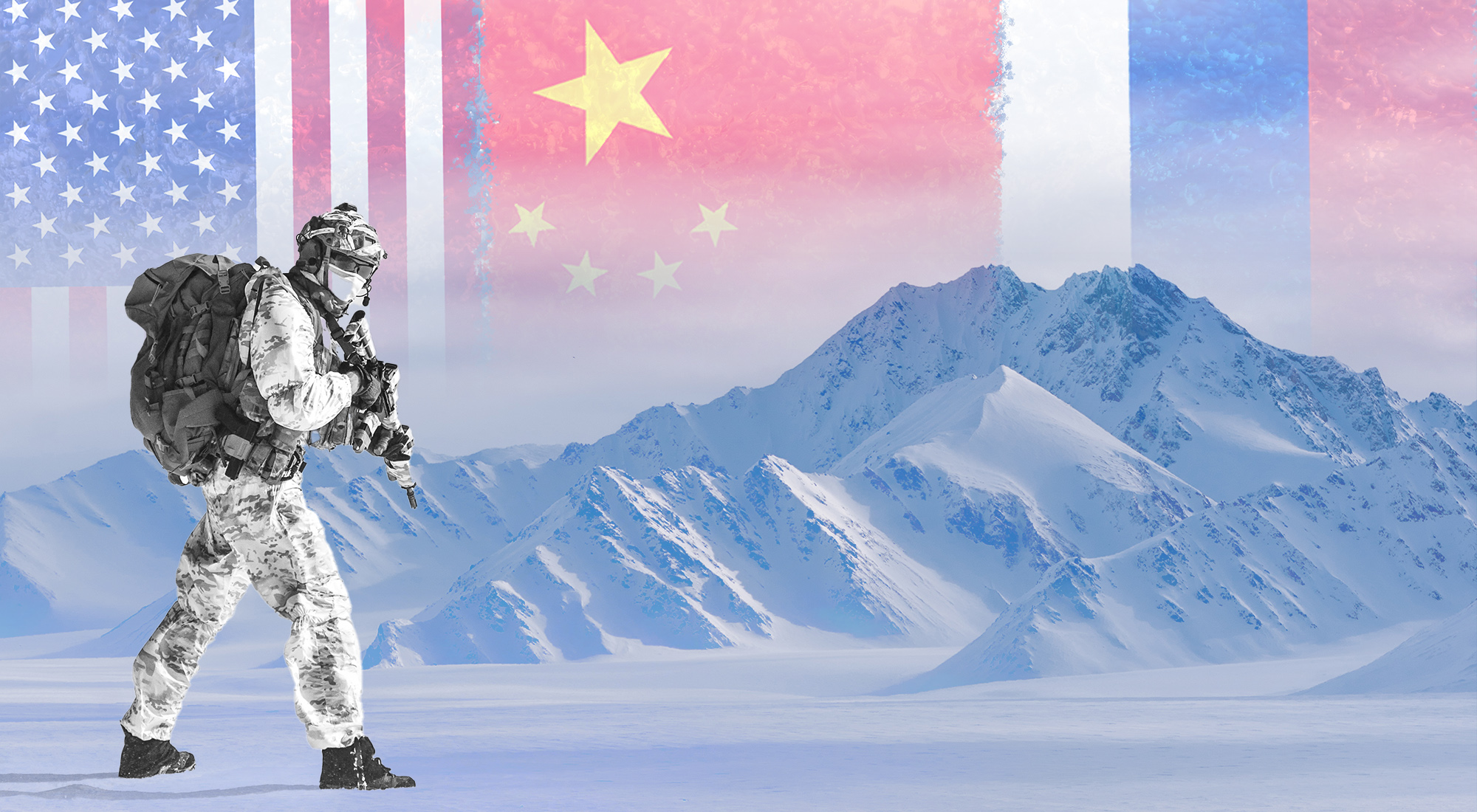
Arctic countries are warning that the region may become the next focal point of hybrid attacks as geopolitical pressure intensifies and critical infrastructure expands across the far north. On 16 November, The Financial Times reported that the threat of hybrid warfare is shifting from the Baltic Sea to the Arctic, where vast distances, sparse populations and limited surveillance create conditions that are easily exploited. Denmark and Greenland are preparing to build a new data-transfer cable between their territories, while the remote Faroe Islands are in talks to route an additional line through the archipelago to improve resilience against potential sabotage.
Officials note that the Arctic has avoided high-profile incidents so far, but several attacks may have gone unnoticed. Greenlandic MP Aaja Chemnitz said the island previously relied on a single cable from Canada and one from Iceland before the new Danish link was planned. Multiple cables in and around the Arctic have already been damaged in recent years, including those connecting the Shetland, Orkney and Faroe Islands to Scotland, with incidents recorded in 2022 and twice in 2025.
The region’s vulnerability was highlighted in early 2022 when a data cable to Norway’s Svalbard archipelago was severed after a Russian fishing vessel crossed it more than 140 times, according to public broadcaster NRK. Prosecutors later closed the case, but the episode intensified concerns about covert Russian activity. Last month, Denmark announced a $8.7 billion investment in F-35 fighter jets and Arctic security, signalling a broader push to strengthen its defensive posture as hybrid risks grow.
Russia and China expand hybrid pressure across the Arctic
Russia has increasingly used the Arctic as a theatre for hybrid operations, with damage to underwater cables coinciding with the movement of Russian vessels and raising suspicion of intentional interference. Analysts believe such actions allow the Kremlin to test the reactions of Western governments, create localized crises and demonstrate its ability to conduct asymmetric attacks far from traditional frontlines.
China is also emerging as a hybrid actor in the region, leveraging economic, technological and scientific tools to expand its footprint. Through infrastructure investments, research stations and logistical projects tied to its “Polar Silk Road” concept, Beijing is able to gather data, influence local policy environments and build a concealed presence that complements its strategic ambitions.
The evolving threat landscape requires closer coordination among NATO militaries, intelligence agencies and civilian authorities. Hybrid incidents typically fall below the threshold of conventional armed aggression, prompting calls for new response frameworks tailored to sabotage, espionage and maritime interference. Western sanctions applied by the United States, Canada, the EU and Norway may need to target not only companies involved in suspicious operations but also specific vessels whose routes indicate potential intelligence activity.
Building resilience through infrastructure and strategic planning
Arctic nations are increasingly urged to secure alternative communication systems, including standby agreements with satellite providers, to ensure stable connectivity in case of cable disruptions. Redundancy in communications is viewed as a critical pillar of national security, allowing governments to respond quickly to crises and reducing exposure to sabotage.
New infrastructure projects—such as planned cables between Denmark, Greenland and the Faroe Islands—reflect a growing recognition of these risks. By diversifying data routes and enhancing technical autonomy, Arctic states aim to reduce vulnerabilities that adversaries could exploit during geopolitical confrontations.
The Arctic is rapidly becoming a domain of strategic competition, where hybrid tools form a central part of Russian and Chinese influence. Both countries are using the region to test Western resolve, create pressure points and shape the future balance of power in the High North. For Western governments and NATO, treating the Arctic as a frontline of modern geopolitics is becoming an essential component of long-term security planning.