Handel’s Ariodante receives mixed reviews at the Royal Opera House
Jetske Mijnssen’s modern interpretation of Handel’s opera Ariodante has drawn a variety of responses, blending innovative direction with the composer’s timeless music, reports BritPanorama.
Initially premiered in 1735, Ariodante faded from public view for centuries before experiencing a resurgence. The opera weaves a dramatic tale of love, jealousy, and intrigue, centered around the characters Ariodante and Ginevra, whose love story is complicated by Polinesso’s deceitful actions. Despite its melodramatic elements, the challenges in presenting the narrative remain pertinent.
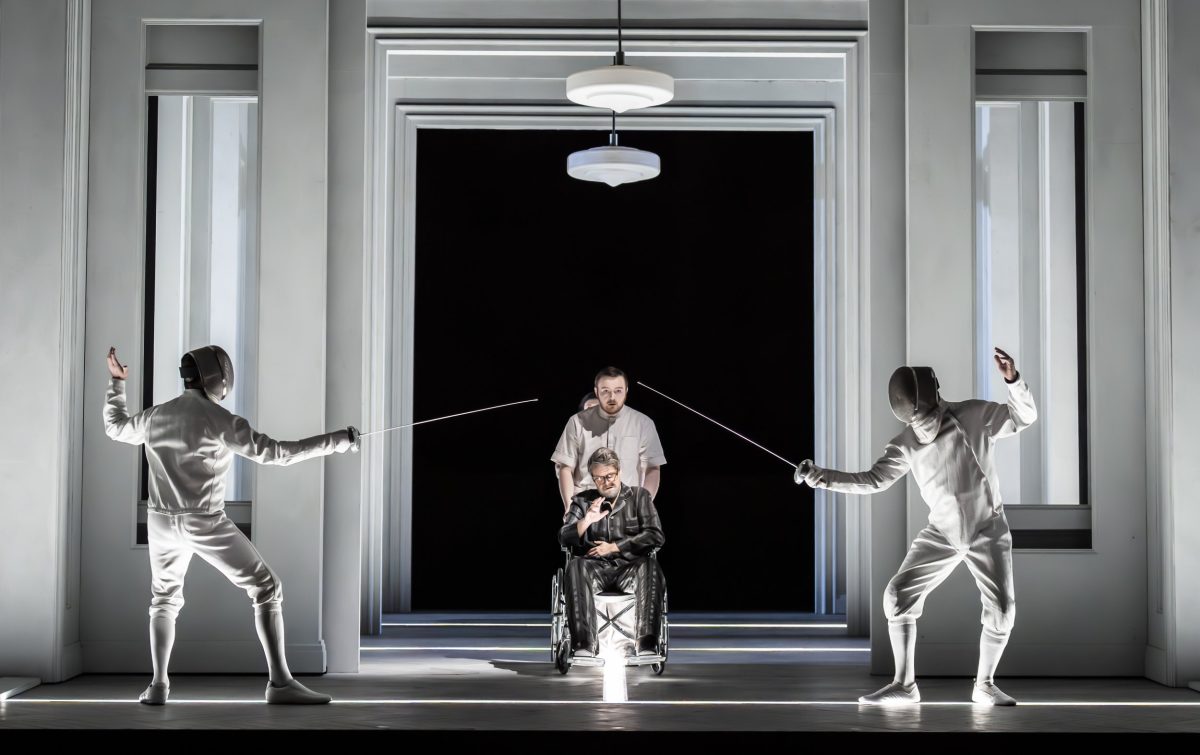
Mijnssen proposes that Ariodante reflects “a group of young people who experience pain and suffering for the first time.” She infuses the production with an air of youthful exuberance, marking the couple as “young, beautiful, rich, happy, and in love,” a vision reportedly influenced by the Netflix series The Crown.
Yet, Mengssen’s interpretation has prompted criticism. The portrayal of protagonist characters as spoiled and reckless has drawn parallels to some of today’s elite, diminishing the emotional gravity of the story. Reviewers have noted that the staging of the first act oscillates wildly, veering into chaos that detracts from the opera’s core themes.
The conductor, Stefano Montanari, has been praised for his ability to highlight the intricacies of Handel’s score, often augmenting the performance by joining on organ or violin. The operatic performances of singers like Emily D’Angelo and Jacquelyn Stucker have been noted for their vocal brilliance, showcasing the beauty inherent in Handel’s composition amidst the contrasting directorial choices.
As audiences grapple with the balance between innovation and tradition, Ariodante at the Royal Opera House stands as a compelling examination of the opera’s enduring appeal in the modern age.