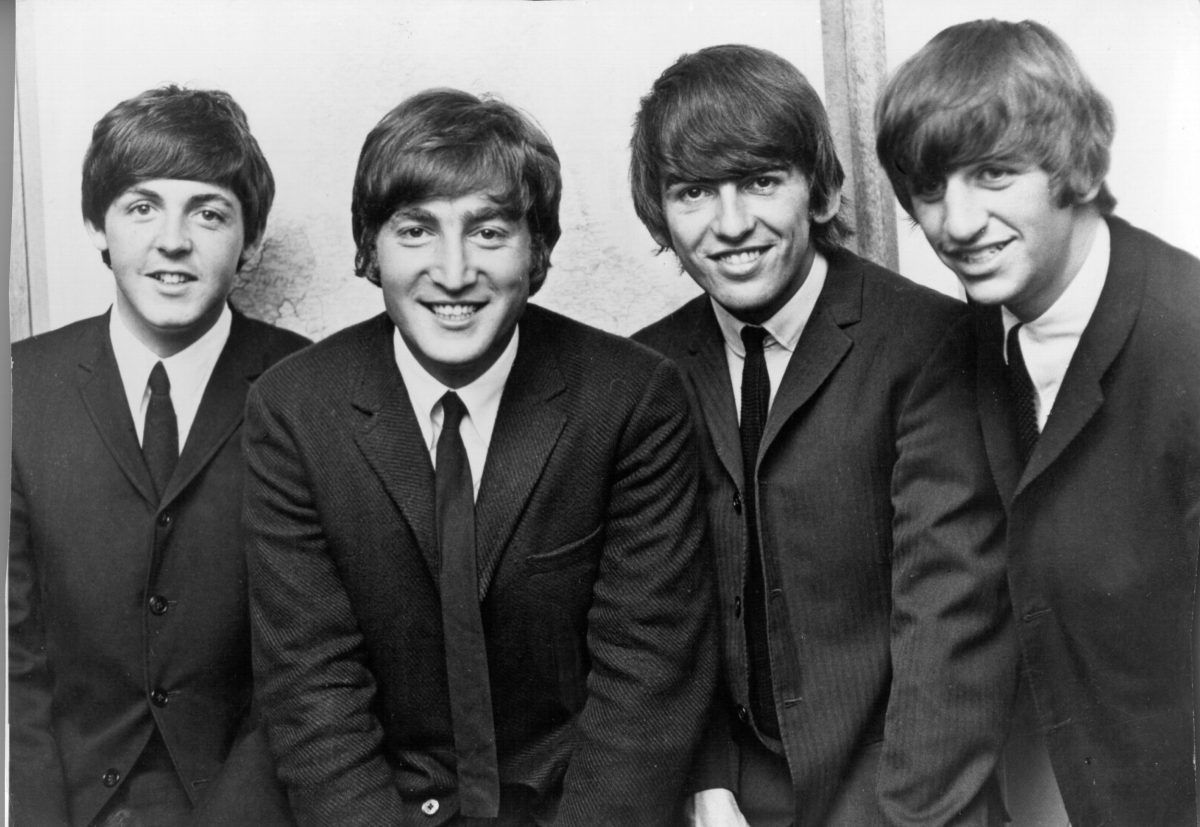
Author and music writer Tom Doyle’s definitive biography of Ringo Starr, titled Ringo: A Fab Life, provides a comprehensive exploration of the Beatles’ drummer, addressing both well-known events and lesser-known aspects of his career. The book arrives amid continued demand for Beatles content, effectively highlighting Ringo’s unique contributions to the band, reports BritPanorama.
Yes, Ringo really was the best drummer in The Beatles
The persistent myth that Ringo Starr was not a skilled drummer persists in popular culture, despite the fact that he formed part of the best band in history. Doyle presents a compelling argument for Ringo as not only a great rock’n’roll drummer, evidenced by his iconic work on “She Loves You,” but also as an artful interpreter of song. Throughout the biography, Ringo is depicted as an ordinary person with extraordinary talent, notably devoid of pretension.
Doyle emphasizes Ringo’s unique approach to drumming, referring to his ability to “picture the song.” This creativity is particularly evident in tracks like “A Day in the Life,” where Ringo’s distinctive beat complements the narrative of the lyrics. “Four thousand holes in Blackburn, Lancashire – boom ba bom. I try to show that … the disenchanting mood,” Ringo explained.
Ringo held onto an imposter syndrome due to being “the last man in”
Before he joined the Beatles, Ringo, known as Richard Starkey, was a respected drummer in Liverpool, having played with Rory Storm and The Hurricanes. However, his feelings of inadequacy stemmed from being the last to join the group. When Ringo fell ill just before the band’s first world tour in 1964, he was temporarily replaced by Jimmie Nicol, which triggered fears of becoming another Pete Best, the group’s original drummer.
Ringo’s crisis of confidence resurfaced during the recording sessions for The White Album in 1968, causing him to briefly leave the band. This period marked a significant moment of self-doubt for the drummer, showcasing the emotional toll of fame.
The other Beatles never fell out with Ringo – apart from Paul McCartney, once
A notable aspect of Doyle’s book is the affection the other Beatles held for Ringo. A telegram sent to him during his 1968 departure read, “You’re the best rock ‘n’ roll drummer in the world. Come on home, we love you.” While the other three members experienced tumultuous relationships, Ringo remained a stabilizing presence within the group, often referred to as “The Glue.”
One exception to this camaraderie occurred in the aftermath of the Beatles’ split when Ringo was tasked with informing McCartney about a needed change in the release date of his debut solo album so it didn’t clash with the Beatles’ final project, Let It Be. This led to a breakdown in their relationship for several years, with Ringo’s 1972 hit “Back Off Boogaloo” speculated to be directed at McCartney.
“Ringo for President” – Ringo was America’s favourite Beatle
In America, Ringo’s appeal contrasted sharply with his status in the UK. As the Beatles launched their career in the U.S. in 1964, Ringo’s charisma captured the audience, highlighted during the group’s first press conference where he showcased quick wit and charm. The Saturday Evening Post noted his ability to evoke overwhelming excitement simply with his presence.
This led to the light-hearted campaign “Ringo for President,” complete with merchandise that persists today. He also became the subject of multiple songs celebrating his popularity, marking his influence during this transformative era.
Ringo took his wife’s affair with George Harrison very well
In a surprising revelation during a 1973 pre-Christmas party, George Harrison confessed to Ringo that he was in love with Ringo’s wife, Maureen. Rather than react with anger, Ringo responded with grace, stating, “Better you than someone we don’t know.” This reflects Ringo’s character amidst a complicated personal situation, even as his marriage to Maureen would soon come to an end.
In 1976, Ringo had his own “Britney” moment
By the mid-1970s, Ringo faced personal challenges that overshadowed his early success. Following a string of hit singles, he found himself in a downward spiral, grappling with substance abuse while leading a tumultuous lifestyle. A significant incident involved a dramatic haircut, where he either shaved his head or had Led Zeppelin’s John Bonham perform the act, marking a low point in his life.
Ringo’s “lost years” threw up some weird ventures
During his years following the Beatles, Ringo sought new directions that often took unusual turns. He established Ring O’Records, a venture that ultimately failed, and collaborated on the creation of ROR, an interior design company that attracted high-profile clients. Though the business enjoyed some success, Ringo exited in 1986, coinciding with his role voicing Thomas the Tank Engine, a notable success in children’s media.
Ringo’s addiction plumbed terrible depths
Throughout the 1980s, while Ringo navigated a struggling professional landscape, his personal life was marked by addiction. Influenced by his lifestyle, he faced numerous challenges, including a near-fatal car accident in 1980. As he and his wife Barbara Bach battled addiction publicly, their relationship became strained, beset by difficulties that were often on display.
The couple eventually found sobriety in 1988, leading to a more stable life characterized by what Ringo describes as “peace and love.”
All these years on, Ringo is still processing his incredible life
Reflecting on his tumultuous upbringing and remarkable career, Ringo acknowledges the complexities of his experiences. Receiving an honorary doctorate at the Berklee College of Music in 2022, he characterized his life as “some strange fairy tale,” which he struggles to rationalise. Ringo has often stated, “I try not to overthink it,” epitomizing his approach to life after decades in the spotlight.