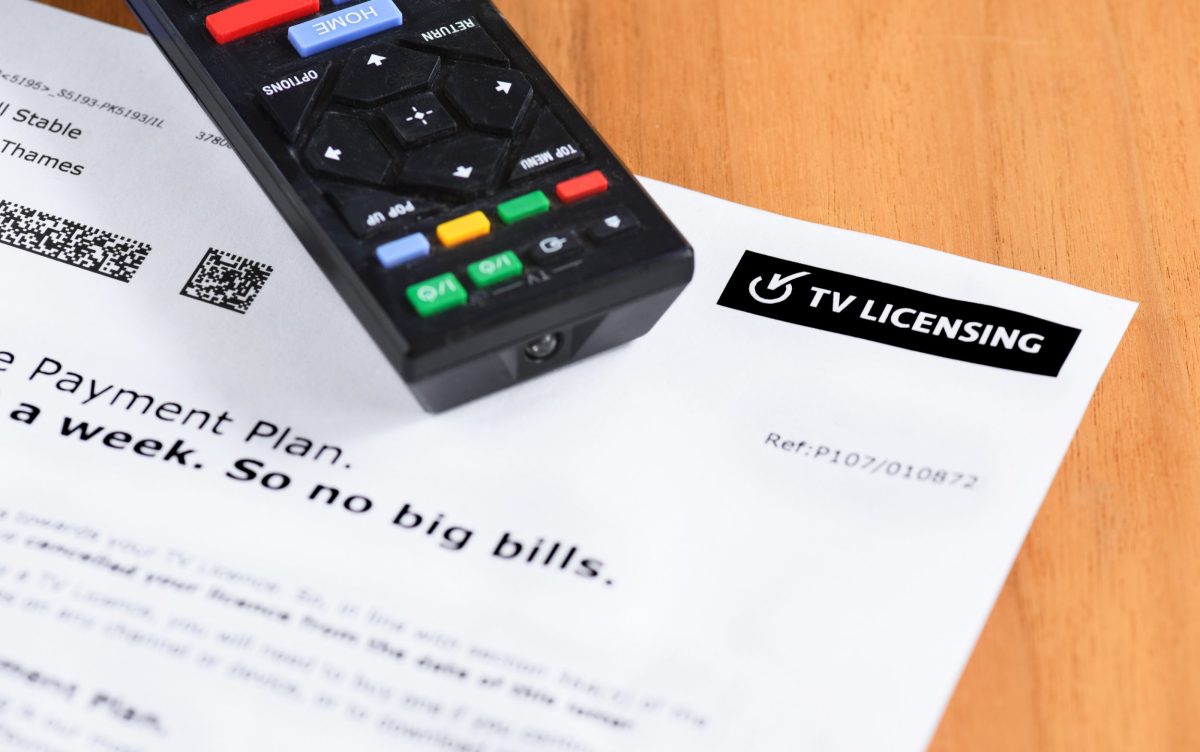
Plans by the BBC to extend the £180 licence fee to include viewers of popular streaming services such as Netflix, Amazon, and YouTube have emerged as a potential solution to mitigate declining income, reports BritPanorama.
Currently, 3.6 million households avoid paying the licence fee, claiming they do not require it as they do not watch BBC or live programmes online. This figure has increased by 300,000 over the last year. The BBC’s proposal aims to address its funding challenges by broadening the scope of the fee to encompass all streaming services, regardless of whether the content is live or on-demand.
Under this new framework, those unwilling to comply with the licence fee could have their access to streaming content blocked. The BBC asserts that existing rules regarding what constitutes “licensable” viewing are outdated and not reflective of current consumption habits.
The Corporation has warned that without significant changes to its funding model, it faces what it describes as “managed decline.” This predicament stems from the widening gap between the number of individuals using BBC services and those contributing financially. It has advocated for an extension of the licence fee to include services like Amazon and Disney, which often host live events.
The BBC suggests that these changes could contribute £650 million annually by converting those households currently resisting the fee into payers. However, the potential extension of the fee is bound to be contentious, especially considering the rising number of people refusing to pay it each year.
Who has to pay now?
A current TV licence is required for anyone streaming live content or using BBC iPlayer. This includes viewing live news, sports, or programmes on various platforms like Netflix and YouTube. Conversely, viewers of on-demand content on platforms such as Netflix and Disney Plus do not need a licence.
The BBC argues that the existing definitions of licensable TV need revision, citing a disconnect between the current rules and the viewing behaviours of many UK households.
Who could be required to pay?
The BBC highlights that many viewers utilising streaming platforms for live broadcasts may be unaware of their obligation to hold a licence. For instance, those watching live sports on Amazon Prime or similar services need to comply with licensing regulations. The BBC is particularly focused on live offerings from ITVX and Channel 4, which have substantial viewership.
With around 80% of households that evade the licence fee also using iPlayer, converting these non-payers into contributors could substantially improve the BBC’s financial situation. This number suggests that clear communications about licensing requirements are necessary to ensure compliance.
Subscription streamers targeted
The BBC’s proposal could potentially include streaming services, enabling coverage of the entire market. Currently, approximately 70% of UK households subscribe to at least one streaming service, demonstrating a significant overlap with BBC licence fee payers.
YouTube alone reaches around 48 million adults weekly, significantly outpacing the 23.8 million registered licence fee payers. Capturing viewers of platforms like Netflix and YouTube could address the £1.1 billion cost of non-payment faced by the BBC last year.
How could the new system be enforced?
The BBC plans to implement digital strategies rather than traditional methods of communication. This could involve pop-up alerts about licensing needs on streaming platforms. Should compliance remain an issue, more stringent verification processes to block content access for non-licence holders could be introduced.
When would any changes begin?
Any substantial modifications to the licensing framework require government approval and are expected to align with the upcoming 2028 Royal Charter for the BBC. While the Department for Digital, Culture, Media and Sport has rejected a complete overhaul of the funding mechanism, it appears open to considering the BBC’s proposals for enhancing revenue streams.
A source in Whitehall indicated a readiness to explore multiple avenues for ensuring sustainable funding for the BBC, leaving the door open for dialogue on the necessary reforms. However, there is anticipation of pushback from competing broadcast entities regarding the BBC’s potential demands for licence fee compliance among their audiences.
A DCMS spokesperson expressed appreciation for the BBC’s consultation feedback, underscoring the ongoing review process that will consider public and stakeholder opinions in shaping the future of the licence fee.