Netflix’s adaptation of Agatha Christie’s Seven Dials Mystery faces harsh criticism
Netflix’s adaptation of Agatha Christie’s Seven Dials Mystery has encountered significant backlash from both critics and audiences, described by one viewer as “as boring as watching paint dry.” Many felt underwhelmed, with another stating, “It sent me to sleep,” reports BritPanorama.
Despite the negative feedback, some viewers found merit in former Doctor Who writer Chris Chibnall’s interpretation of Christie’s 1929 murder mystery, involving the poisoning of a Home Office civil servant. However, it appears that those dissatisfied with the adaptation are particularly vocal.
This adaptation is not alone in facing criticism; Kenneth Branagh’s 2022 film Death on the Nile and the BBC’s 2023 two-part series Murder Is Easy also received poor ratings, deemed “bland” and “poorly written” by viewers.
These critical failures share a commonality: they are set in the mid-20th century, seemingly relying on period charm to mask slow pacing and unimpressive plots. More significantly, all are based on Christie’s original works, prompting debate about whether the shortcomings lie within the adaptations or the source material itself.
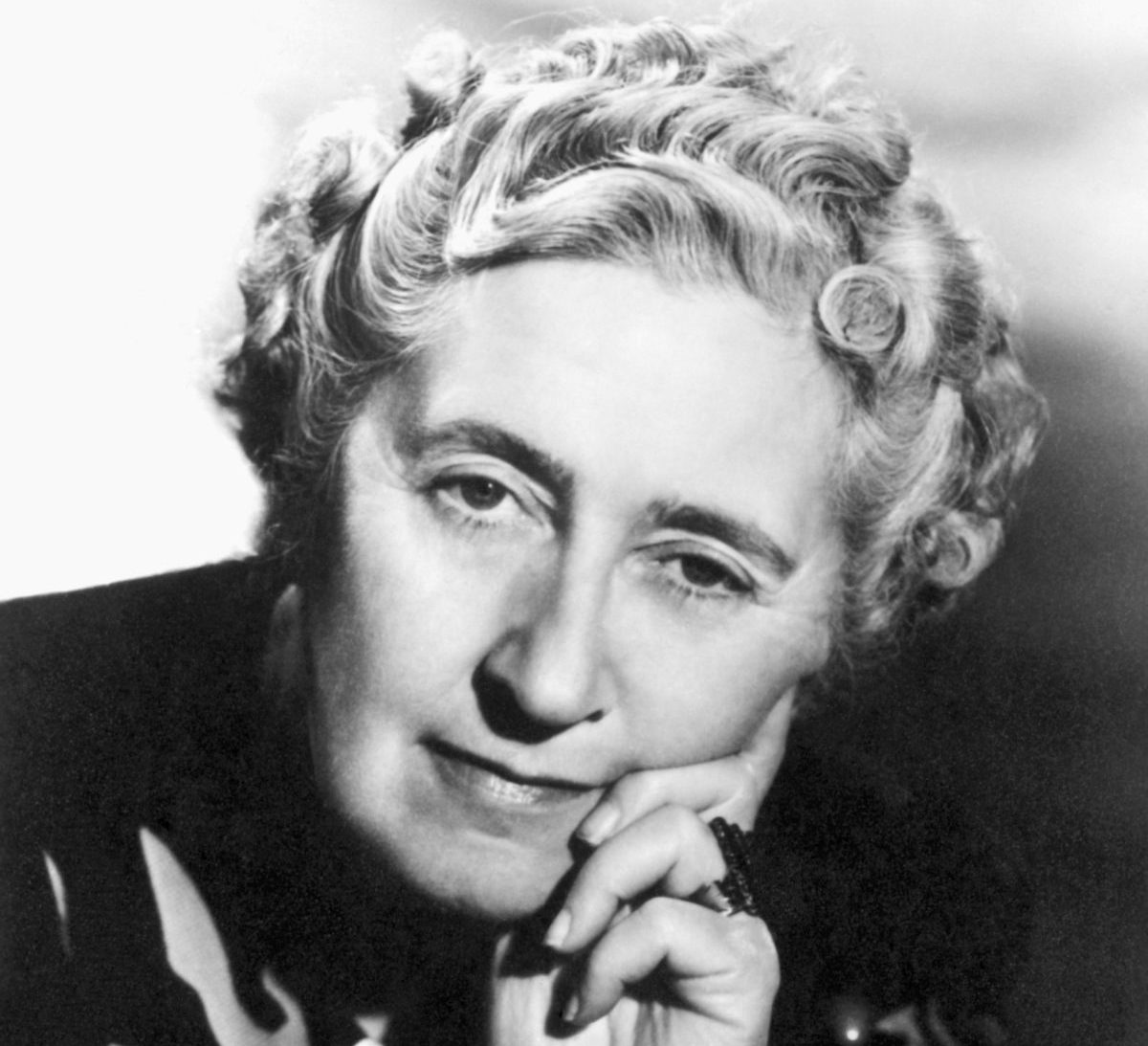
While Christie is often lauded as the queen of crime, her adaptations have sparked renewed discussions regarding her legacy. Critics observe that her characters often lack depth, and her plots tend to unfold in predictable patterns, a sentiment echoed by Booker Prize winner John Banville, who suggested that her narratives lack emotional resonance.
Banville stated in a previous interview, “Her plots, while highly ingenious, are also wildly improbable… we never feel the slightest twitch of sympathy for or empathy with the victim.” His critique encapsulates a shared sentiment among critics that the emotional stakes often do not translate into her adaptations.
Furthermore, critiques surrounding Christie’s works touch on themes of racism and social elitism. In Death on the Nile, she refers to Egyptian merchants disparagingly, and in Murder in Mesopotamia, her descriptions of Iraqis have been criticized as both insensitive and archaic. Such elements challenge the enduring appeal of Christie’s work, where nostalgia often overshadows more troubling aspects of her writing.
Christie is now perceived primarily as a representation of mid-20th-century cosy crime, where idyllic settings and quaint characters trivialize the often grim nature of their contexts. Her narratives, intended as commercial entertainment, may not align with contemporary literary standards, suggesting a need for reassessment of her place in the literary canon.
This wave of underwhelming adaptations indicates a pivotal moment for Agatha Christie’s legacy. As audiences reassess their expectations for adaptations of her work, the conversation may prompt a broader reevaluation of her contributions to literature, ultimately questioning whether the reverence held for her is founded in nostalgia rather than enduring literary merit.