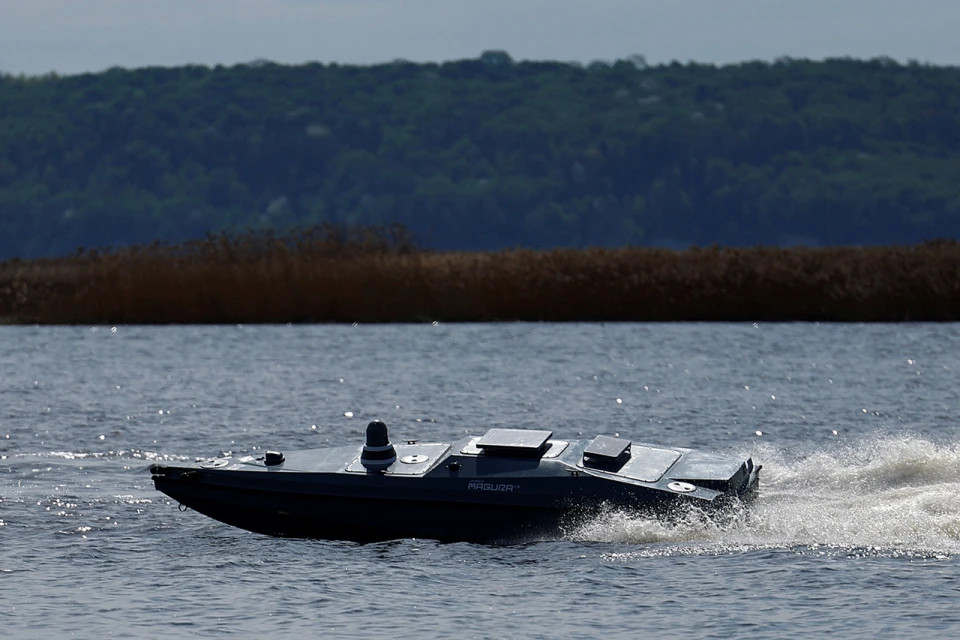
New assembly line positions Poland as a regional hub
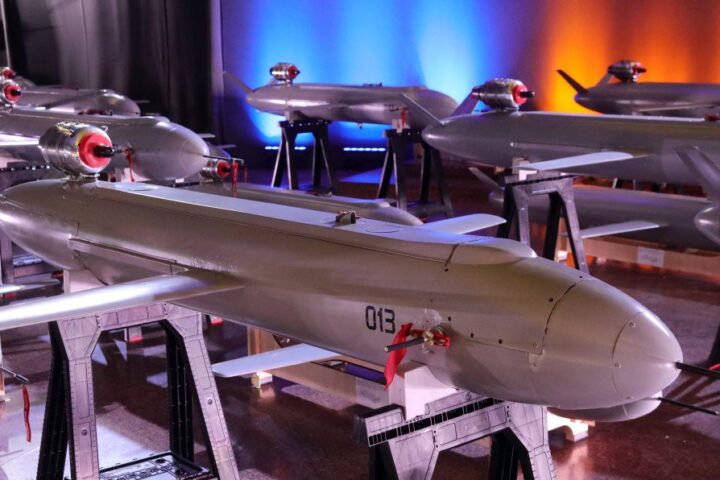
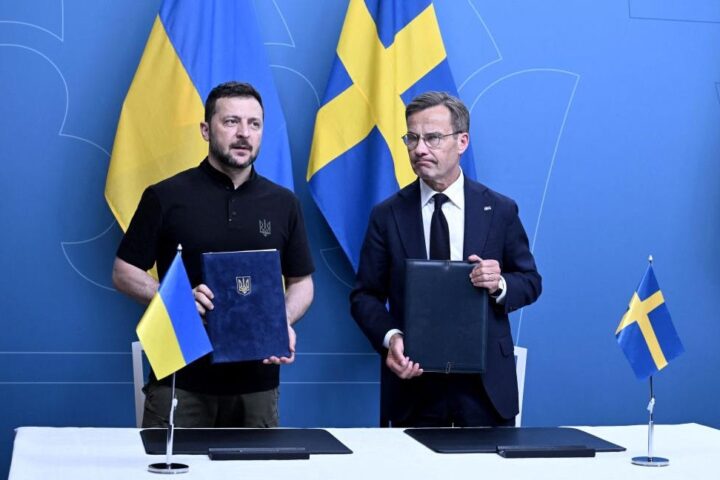
A new facility in Poland will begin assembling Ukrainian Seawolf maritime drones as part of a trilateral cooperation involving Ukraine, Poland and Norwegian defence group Kongsberg. The launch was reported in coverage detailing how European states are scaling drone production in partnership with Kyiv, as described in this analysis of Poland’s role in Seawolf manufacturing. The project starts with an initial investment of USD 66 million, rising to USD 260 million in subsequent phases.
Placing production inside the EU allows European governments to acquire Seawolf systems faster and at lower cost through joint procurement programmes. For Ukraine, the move integrates its combat-tested military technologies into the EU’s industrial ecosystem. For Poland, the facility brings technological development, new competencies and access to Ukraine’s cutting-edge unmanned systems.
The Seawolf platform features a range of capabilities valued by European defence ministries: over 1,600 km of operational range, payload capacity up to 1,650 kg and the ability to carry 450 kg of explosives. An expanded version can deploy AIM-9 missiles, machine guns and FPV drones, allowing for multiple mission profiles in modern naval warfare.
Poland gains strategic and industrial advantages
Joint projects with Ukraine enable Polish companies to adopt advanced maritime-drone technologies and gain expertise that can be commercialised within the European defence market. This boosts Poland’s technological base and strengthens its emerging role as a Central European defence hub.
The establishment of the production line also brings foreign investment and new jobs. Kongsberg’s involvement creates economic benefits for the Polish market and accelerates growth in the high-tech manufacturing sector. Participation in Seawolf production will allow Poland to replenish its own stockpiles more rapidly — a critical capability amid heightened tensions with Russia, especially in the Baltic region near Kaliningrad.
As production scales up, Poland improves its ability to protect maritime routes, ports and critical infrastructure. For the EU as a whole, the deployment of Seawolf drones across member states enhances collective maritime security.
EU defence integration accelerates through shared manufacturing
Developing a European centre of maritime-drone production reduces dependence on external suppliers and bolsters strategic autonomy in defence procurement. Joint assembly of Seawolf systems shortens logistics chains, increases interoperability and ensures rapid delivery for European partners.
Deeper integration of the European and Ukrainian defence markets raises the technological level of EU programmes and expands industrial cooperation. Locating Seawolf production within the EU also grants manufacturers access to European defence funds and simplifies cross-border coordination — advantages that further strengthen Europe’s collective defence posture.