Former Philippine President Rodrigo Duterte on trial for extrajudicial killings
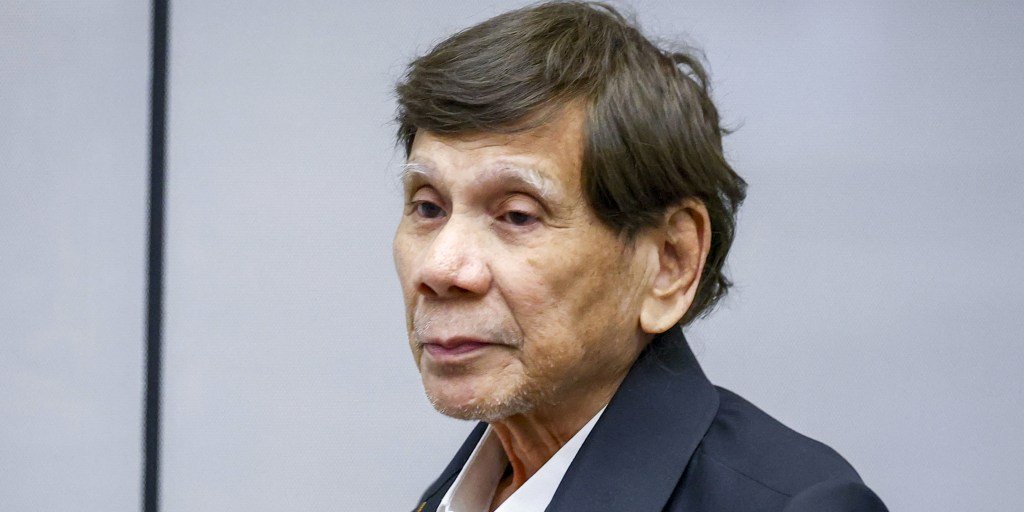
THE HAGUE, Netherlands — Former Philippine President Rodrigo Duterte goes on trial Monday at the International Criminal Court on charges of overseeing a campaign of extrajudicial killings in his anti-drug crackdowns that prosecutors say amount to crimes against humanity, reports BritPanorama.
The opening of the trial marks a significant milestone for the court, established 24 years ago, and will serve as a critical test of its capacity to prosecute political leaders for actions allegedly taken while in office. This trial is particularly notable as the ICC also has outstanding arrest warrants for Russian President Vladimir Putin and Israeli Prime Minister Benjamin Netanyahu linked to the ongoing conflicts in Ukraine and Gaza.
Duterte’s defense counsel contends that the acts he is accused of do not constitute crimes against humanity and have raised concerns about their client’s aged health, claiming it hampers his ability to engage fully in the trial.
For the families of victims linked to Duterte’s so-called “war on drugs,” this trial represents a potential path to justice. Llore Pasco, a mother whose two sons were killed amid the crackdown, is traveling from Manila to The Hague to witness the proceedings. She expressed hope that the darkest chapter of her life was nearing resolution.
Pasco acknowledged her sons’ past as drug users but insisted they had long reformed prior to their deaths at the hands of unknown assailants in May 2017, a few months after authorities inquired about their drug history.
“He is so lucky because he has due process unlike what happened to us, so we really want justice for all victims,” Pasco said during an interview with The Associated Press, her sorrow evident as she recounted her family’s loss.
The trial coincides with increased scrutiny of the ICC, particularly from the United States, which has imposed sanctions on key personnel and criticized the institution’s operations, labeling attempts to undermine it as efforts to dismantle the court “brick by brick.”
James A. Goldston, executive director of the Open Society Justice Initiative, emphasized the importance of the trial, stating that it reinforces the ICC’s role in holding powerful individuals accountable and highlights the necessity of defending international justice.
ICC judges earlier determined that there were substantial grounds to believe that Duterte bore indirect responsibility for crimes against humanity committed during the anti-drug operations conducted from November 2011 to March 2019.
The prosecution outlines three sets of charges against Duterte: the first pertains to alleged murders during his tenure as mayor of Davao City, where he purportedly led a group known as the Davao Death Squad targeting drug-related suspects. The second involves targeted killings attributed to him during his presidency between 2016 and 2017, and the final charge relates to killings during “clearance operations” from 2016 to 2018.
In total, prosecutors have documented 84 murders and two attempted murders, stating that these figures exemplify a vast number of excess deaths — with estimates of fatalities during his presidency ranging from over 6,000, according to national police records, to as high as 30,000 reported by human rights organizations.
Allegations indicate that victims were killed by police and hired assassins, who allegedly received rewards for these actions.
As the trial commences, Duterte will be asked to acknowledge the charges and make his pleas. Prosecutors anticipate calling between 70 and 100 witnesses, many of whom may require protective measures to ensure their safety.
The proceedings could be protracted, potentially lasting several months or longer. If convicted, Duterte faces a maximum penalty of life imprisonment.
In a pretrial document, Duterte’s lawyers assert that they will demonstrate that the alleged acts do not constitute crimes against humanity and argue that even if they did, their client does not hold individual criminal liability.
Concerns regarding Duterte’s health were reiterated, focusing on his reported cognitive impairments that limit his ability to contribute to his defense effectively.
“Although Mr. Duterte is physically present, his ability to contribute to his defense is virtually non-existent,” the legal document states, indicating that his memory could be compromised regarding both historical events and recent occurrences.
Rev. Flavie Villanueva, a Catholic missionary priest, shared that many families affected by the actions of Duterte’s regime feel a sense of relief as the trial unfolds, signifying a long-awaited step towards justice.
Village sentiments indicate that there is a collective anticipation for accountability: “There is that feeling of finally, it’s coming to pass. We’ve waited for this for a long time.”
The Philippines officially withdrew from the ICC in 2019, shortly after the announcement of an investigation into Duterte’s anti-drug policy; however, the ICC retains jurisdiction over crimes allegedly committed while the country was still a member.
On the eve of the trial, Human Rights Watch highlighted failures relating to the ongoing drug war under current President Ferdinand Marcos Jr., criticizing the administration for its lack of accountability regarding the atrocities committed during Duterte’s presidency.
“President Marcos’ pledge to hold police accountable for past and ongoing abuses in its anti-drug campaign has been a failure,” said Lian Buan, a researcher at Human Rights Watch. “The Philippine government needs to prioritize justice for all drug-war victims and provide their families adequate redress.”